acyl-CoA dehydrogenase medium chain
Última atualização 3 Apr 2025
Atende aos diretrizes editoriais
- BaixarBaixar
- Compartilhar
- Language
- Discussão
- Ask Patient
- Versão em Áudio
- Adicionar às fontes preferidas no Google
A ACADM gene provides instructions for making an enzyme called medium-chain acyl-CoA dehydrogenase (MCAD). This enzyme functions within mitochondria, the energy-producing centers in cells. MCAD is essential for fatty acid oxidation, which is the multistep process that breaks down (metabolizes) fats and converts them to energy.
Escolhas de vídeos para GenesBiblioteca de vídeos
Normal function
A ACADM gene provides instructions for making an enzyme called medium-chain acyl-CoA dehydrogenase (MCAD). This enzyme functions within mitochondria, the energy-producing centers in cells. MCAD is essential for fatty acid oxidation, which is the multistep process that breaks down (metabolizes) fats and converts them to energy.
MCAD is required to metabolize a group of fats called medium-chain fatty acids. These fatty acids are found in foods and body fat and are produced when larger fatty acids are metabolized. Fatty acids are a major source of energy for the heart and muscles. During periods without food (fasting), fatty acids are also an important energy source for the liver and other tissues.
Conditions referring to this gene or chromosome
Other names
ACAD1
ACADM_HUMAN
acyl-CoA dehydrogenase, C-4 to C-12 straight chain
MCAD
MCADH
Related patient information and medicines

Patient information leaflet
Teste do pezinho em recém-nascidos
Medium-chain acyl-Co-A dehydrogenase deficiency (MCADD)- this is a very rare, mas potentially life-threatening, inherited disorder, where fat cannot be broken down by the body as well as usual. Babies with this condition develop normally, but recognising the condition early enables parents to make sure their babies and children with t... When.

Patient information leaflet
Câncer testicular
Câncer testicular é a cancer that arises from a testicle (testis). Around half of all cases occur in men aged under 35 but testicular cancer rarely occurs before puberty. It is the most common cancer in men aged 15-44 years. There are about 2,000 new cases in the UK each year. The common early symptom of testicular cancer is a painless lump that.

Patient information leaflet
Alergias
Allergies are the body's response to a substance called an allergen. These may be harmless substances for the majority of people, but for some, the person's immune system reacts to the allergen, causing an allergic reaction. There are many possible allergens and many different allergic reactions can occur. What causes allergies. An allergy is a.

Patient information leaflet
Antihistamínicos
In the care of the terminally i... In the emergency treatment of severe allergic reactions. PatientPicksPlaceholder Antihistamine types Generally, antihistamines have been classified into two groups: First-generation or sedating antihistamines These can cause significant drowsiness and are generally more associated with the antimuscarinic.
Patient information leaflet
Gota
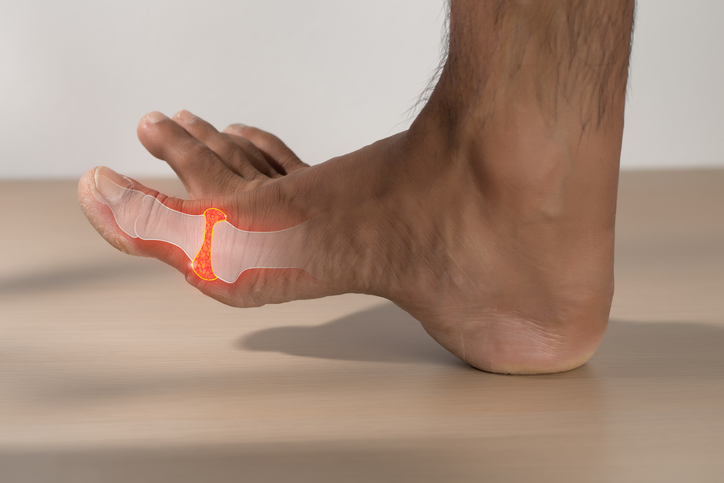
What is gout? | Patient Explainers Gout causes attacks of pain and swelling in one or mais joints. Find out more: [/health/gout-leaflet](https://patient.info/health/gout-leaflet) Follow Patient: Website: [/](https://patient.info/) Facebook: [https://www.facebook.com/patient](https://www.facebook.com/patient).

Patient information leaflet
Icterícia
Jaundice treatment and outlook (prognosis) depends on the cause. What is jaundice. Liver function Liver function Icterícia is due to a build-up of a chemical called indireta in the tissues of the body. Bilirubin is a normal body chemical but can build up to abnormally high levels in various diseases. Jaundice: yellowish pigmentation of the sclera.
Leitura adicional e referências
- acyl-CoA dehydrogenase medium chain; MedlinePlus, National Library of Medicine.
- Gregersen N, Andresen BS, Corydon MJ, Corydon TJ, Olsen RK, Bolund L, Bross P. Mutation analysis in mitochondrial fatty acid oxidation defects: Exemplified by acyl-CoA dehydrogenase deficiencies, with special focus on genotype-phenotype relationship. Hum Mutat. 2001 Sep;18(3):169-89. doi: 10.1002/humu.1174.
- Hsu HW, Zytkovicz TH, Comeau AM, Strauss AW, Marsden D, Shih VE, Grady GF, Eaton RB. Spectrum of medium-chain acyl-CoA dehydrogenase deficiency detected by newborn screening. Pediatrics. 2008 May;121(5):e1108-14. doi: 10.1542/peds.2007-1993.
- Maier EM, Gersting SW, Kemter KF, Jank JM, Reindl M, Messing DD, Truger MS, Sommerhoff CP, Muntau AC. Protein misfolding is the molecular mechanism underlying MCADD identified in newborn screening. Hum Mol Genet. 2009 May 1;18(9):1612-23. doi: 10.1093/hmg/ddp079. Epub 2009 Feb 18.
- Maier EM, Liebl B, Roschinger W, Nennstiel-Ratzel U, Fingerhut R, Olgemoller B, Busch U, Krone N, v Kries R, Roscher AA. Population spectrum of ACADM genotypes correlated to biochemical phenotypes in newborn screening for medium-chain acyl-CoA dehydrogenase deficiency. Hum Mutat. 2005 May;25(5):443-52. doi: 10.1002/humu.20163.
- Waddell L, Wiley V, Carpenter K, Bennetts B, Angel L, Andresen BS, Wilcken B. Medium-chain acyl-CoA dehydrogenase deficiency: genotype-biochemical phenotype correlations. Mol Genet Metab. 2006 Jan;87(1):32-9. doi: 10.1016/j.ymgme.2005.09.020. Epub 2005 Nov 15.
- Wang SS, Fernhoff PM, Hannon WH, Khoury MJ. Medium chain acyl-CoA dehydrogenase deficiency human genome epidemiology review. Genet Med. 1999 Nov-Dec;1(7):332-9. doi: 10.1097/00125817-199911000-00004.
Compartilhe seus pensamentos ou experiências com outros em nosso comunidades de pacientes.
Acesso simples a tratamentos confiáveis e serviços de saúde online.
Common conditions
Get help with common conditions through the NHS, without a GP appointment.
 Sinusite aguda
 Amigdalite bacteriana
 Impetigo
 Mordidas de insetos
 Herpes zosterInfecção do trato urinário (ITUs)
Inscreva-se no boletim informativo do Patient
Sua dose semanal de conselhos de saúde claros e confiáveis - escritos para ajudá-lo a se sentir informado, confiante e no controle.
Ao se inscrever, você aceita nossos Política de Privacidade. Você pode cancelar a inscrição a qualquer momento. Nunca vendemos seus dados.