Can what you eat before bed help you sleep better?
Revisado por Dr Colin Tidy, MRCGPAutoria de Victoria RawPublicado originalmente 23 Nov 2026
Atende aos diretrizes editoriais
- BaixarBaixar
- Compartilhar
- Language
- Discussão
- Ask Patient
- Versão em Áudio
- Adicionar às fontes preferidas no Google
The temptation to have a snack or drink before bed is sometimes hard to resist. However, not all foods and beverages are ideal choices when you're preparing for a good night's sleep.
We explore some of the best things to eat and drink before bed, how they may support better sleep, and why they could benefit your overall wellbeing.
Escolhas de vídeos para sono e insôniaBiblioteca de vídeos
How does your diet affect your sleep?
Most of us know the feeling of heading to the fridge after dinner in search of something else to satisfy those evening cravings.
However, choosing the wrong foods could make it harder to fall asleep and stay asleep - particularly if you already struggle with getting a good night's rest.
For most of us, having a little snack or a relaxing drink before bed is a simple pleasure. But it's easy to underestimate just how much what we eat and drink can influence the quality of our sleep.
Hazel Shore, Registered Dietitian and SCOPE-Certified Obesity Specialist, explains that what we consume can affect not only how well we sleep but also how our bodies recover overnight.
“Caffeine in tea, coffee, energy drinks, and some fizzy drinks can keep you awake, alcohol can disturb your sleep, and a big meal close to bedtime can make it harder to drop off,” she warns.
Hazel Shore

Which nutrients support a good night’s sleep?
Certain nutrients play an important role in supporting healthy sleep. Shore suggests that, rather than just focusing solely on foods and drinks that could disrupt your rest, it's worth including more nutrient-rich foods in your everyday diet that may help promote better sleep.
She highlights three key nutrients:
Tryptophan - found in foods such as milk, eggs, poultry, beans, and seeds. Tryptophan is an amino acid that your body uses to produce serotonin, which can then be converted into melatonin. This is the hormone that helps regulate your sleep-wake cycle.
Vitamina B6 - found in foods including bananas, oats, poultry, and some types of fish. Vitamin B6 plays a role in the production of neurotransmitters involved in sleep regulation. While there is promising research into this relationship, there isn't enough evidence to suggest that simply eating more B6-rich foods will directly improve your sleep.
Proteína - important for muscle maintenance and repair, protein may also support overnight recovery. Some small studies suggest that consuming enough protein could help promote muscle repair during sleep.
Shore notes that you don’t need to focus on individual nutrients. It’s better to prioritise a balanced diet with enough energy throughout the day rather than relying on a particular bedtime food.
“Fibre-rich carbohydrate foods, such as oats, wholegrain bread, beans, and lentils, provide energy and can help prevent constipation,” she explains. “Eating protein and fats alongside them can slow digestion, so your blood sugar rises more gradually. This doesn’t necessarily mean better sleep, though.”
When should you eat before bed?
When it comes to sleep, both the size of your evening meal and how close to bedtime you eat can make a difference. Eating a large meal late in the evening, particularly one that's high in fat, can slow digestion and increase the chance of discomfort or acid reflux when you lie down.
“Try to have balanced meals and, unless you’ve been advised otherwise, leave a few hours between eating and going to bed,” says Shore.
“It doesn’t need to be a rigid cut-off, and a small snack is fine if you’re hungry. If you often wake up needing the toilet, try drinking more earlier in the day and less in the couple of hours before bed.
“If you have diabetes, particularly if you take insulin or some other diabetes medicines, speak to your diabetes team before changing your meal times.”
Shore also recommends being mindful of caffeine consumption, suggesting that your last caffeinated drink should ideally be around lunchtime.
When it comes to alcohol, although it might initially make you feel sleepy and help you drift off faster, even small amounts can interfere with your sleep quality and leave you feeling less rested the following morning.
How much should you eat in the evening?
When deciding what to eat before bed and when to eat it, it's also important to consider portion sizes. The aim isn't simply to avoid eating too much, but to make sure you don't go to bed hungry.
Shore explains that going to bed hungry offers little benefit, as hunger itself can make it harder to relax, settle down, and fall asleep.
“If you’re hungry in the evening, a small snack that combines carbohydrate with some protein, such as cereal with milk, Greek yoghurt with fruit, or wholegrain toast with nut butter, can help you feel satisfied,” she says.
“Keep the portion smaller than a main meal, so you’re comfortable rather than overly full, and don’t worry about a strict cut-off time if hunger is affecting your sleep.”
What are the best foods to eat before bed?
Shore stresses that no single food or drink can guarantee a good night’s sleep. If you regularly have sleep issues, it's always worth speaking to your doctor or pharmacist to rule out any underlying health conditions and discuss possible causes.
That said, certain food and drink combinations may help you relax, promote deeper sleep, and support overnight recovery. Shore highlights several options worth incorporating into your evening routine to help create the right conditions for a more restful night.
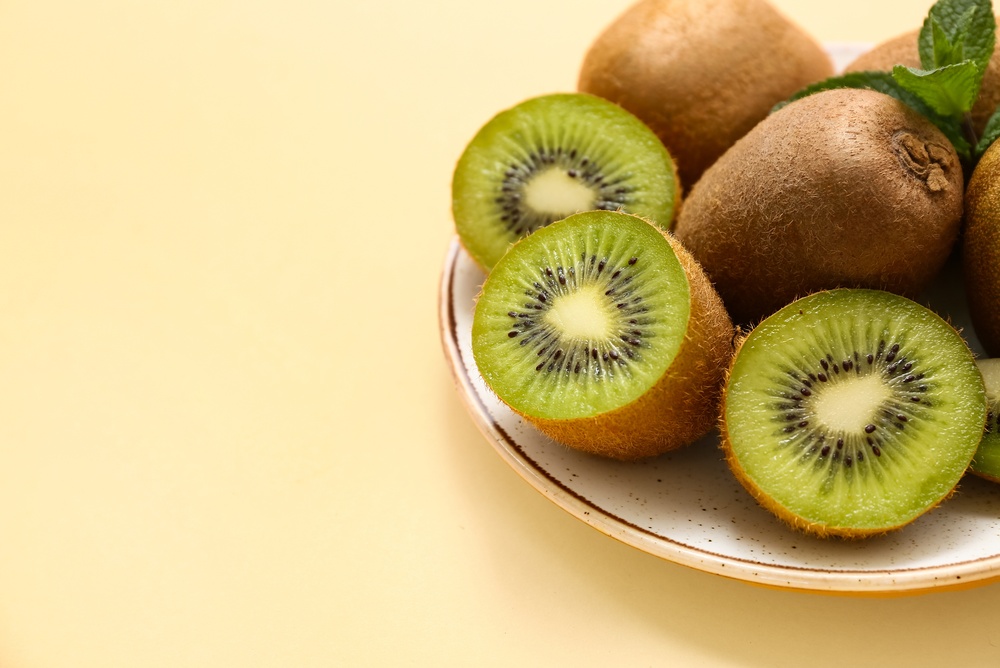
Kiwis
A good source of vitamin C and fibre, kiwis are one of the better-researched foods for sleep. Small studies have found that eating two kiwis around an hour before bed may improve your sleep.
Try Greek yoghurt with sliced kiwi and a sprinkle of oats, or two kiwis alongside a small pot of yoghurt.
Milk and yoghurt
Both milk and yoghurt provide protein and calcium, while early research suggests that dairy could help support better sleep.
Having a protein-rich snack before bed may also aid overnight muscle repair, particularly after strength training. If you’re lactose intolerant, you can opt for fortified plant-based alternatives, such as almond, soy, or oat milk.
For a simple bedtime snack, try a small bowl of plain porridge made with milk or low-sugar cereal served with milk.
Oats and other fibre-rich carbohydrates
Foods such as oats and wholegrain toast are filling and slower to digest, making them a good option for a small evening snack to prevent you from going to bed hungry.
Try wholegrain toast with nut butter or oatcakes topped with cottage cheese.
Mediterranean-style foods
People who follow a Mediterranean-style diet, rich in vegetables, fruit, wholegrains, beans, lentils, fish, and olive oil, tend to report better sleep. Rather than focusing on one particular bedtime snack, the benefits appear to be linked to overall eating habits throughout the day.
What are the best drinks to have before bed?
When it comes to drinks, Shore suggests a warm, caffeine-free milky drink, which the NHS recommends as a simple way to help you wind down before bed.
Caffeine-free herbal teas, such as chamomile, are also worth trying. Some studies suggest chamomile may help improve sleep quality, although most have looked at extracts rather than tea itself.
It’s also a good idea to beba bastante água throughout the day, rather than leaving it until the evening, so you’re not drinking too much in the last couple of hours before bed.
Escolhas do paciente para sono e insônia

Vida saudável
Como adormecer rapidamente: 5 métodos simples para um sono rápido
Se você está tendo dificuldade para dormir, você não está sozinho. Aqui estão alguns métodos populares para ajudá-lo a relaxar e adormecer mais rápido.
por Victoria Raw

Vida saudável
Como melhorar seu comportamento de sono
O sono é importante para o nosso bem-estar, e a falta de descanso pode afetar tudo, desde o desempenho no trabalho até a função imunológica. Como um em cada cinco de nós não está dormindo o suficiente, exploramos as melhores maneiras de melhorar o comportamento do sono.
por Victoria Raw

Vida saudável
O método escandinavo do sono: edredons separados podem ajudar você a dormir melhor?
The Scandinavian Sleep Method involves having your own duvet instead of sharing one with your partner. But why is this trend gaining popularity, how could it affect your sleep, and is it worth trying for yourself? We explore all you need to know.
por Victoria Raw
Saúde mental
Is your house haunted? The science behind sleep paralysis
Have you ever woken in the middle of the night, certain there’s someone standing at the end of your bed, but found yourself unable to move or call for help? Perhaps you’ve sensed a dark figure in the corner of your room, felt pressure on your chest, or heard strange noises that seem to come from nowhere. It might sound like the plot of a classic ghost story. But there’s a scientific explanation for these frightening experiences - sleep paralysis. With Halloween approaching, we explore what happens during sleep paralysis, why some people see or sense a presence in their bedroom, and what you can do to reduce the chances of it happening again.
por Thomas Andrew Porteus, MBCS
Vida saudável
Insônia
Até uma em cada três pessoas pode ter alguma dificuldade para dormir. No entanto, há muitas coisas que você pode fazer para ajudar a si mesmo. Este folheto tem como objetivo mostrar-lhe algumas delas. Por exemplo, coisas simples como relaxar antes de dormir, evitar certos alimentos e bebidas, e uma rotina de sono podem ajudar. NOTAS DO EDITOR Dr. Krishna Vakharia, 24 de novembro de 2023 Há um novo medicamento oral que o NICE recomendou chamado daridorexant. Este só pode ser usado sob certas condições. Seu médico discutirá se é adequado para você. Para mais informações, consulte a seção de leitura adicional.
por Dr. Doug McKechnie, MRCGP

Vida saudável
Como parar de roncar e arruinar seu sono
Com dois em cada cinco de nós roncando, as chances são de que você seja ou a pessoa que faz o barulho ou a que fica acordada ouvindo. Para alguns, o ronco é um incômodo ocasional após algumas bebidas ou um resfriado forte. Para outros, é uma batalha noturna que deixa ambos os parceiros exaustos e pode até mesmo desgastar o relacionamento. Felizmente, o ronco não é algo com o qual você simplesmente tem que conviver. Desde soluções rápidas que podem ajudar imediatamente até soluções de longo prazo que abordam a causa subjacente, há muitas maneiras de dormir mais tranquilamente.
por Heather Ainsworth
Sobre o autorVer biografia completa
Autoria de

Victoria Raw
Redatora de Reportagens
BA (Hons), Literatura Inglesa
Victoria is a content writer at Patient, with special interests spanning mental wellbeing, societal trends, and the impact of technology on our health.
Throughout her career, Victoria has partnered with a range of charities such as Ovarian Cancer Action, Scleroderma and Raynaud's UK, St John Ambulance, Andy's Man Club, the RSPCA, and Barnardo's. Her work has seen her interview a variety of well-known personalities - among them actress Gaynor Faye, Sky Sports presenter Adam Smith, and comedian Alex Mitchell, exploring their experiences and stories.
Sobre o revisorVer biografia completa

Dr Colin Tidy, MRCGP
Médico Generalista, Autor Médico
MBBS, MRCGP, MRCP (Paediatrics), DCH
Dr Colin Tidy é um médico do NHS, baseado em Oxfordshire.
Histórico do artigo
Artigo também disponível em Inglês, Alemão, Espanhol, Francês, Italiano, Português, Hindi, Hebraico, Árabe, e Sueco.
Next review due: 23 Nov 2029
23 Nov 2026 | Publicado originalmente
Escrito por:
Victoria RawRevisado por
Dr Colin Tidy, MRCGP
Compartilhe seus pensamentos ou experiências com outros em nosso comunidades de pacientes.
Inscreva-se no boletim informativo do Patient
Sua dose semanal de conselhos de saúde claros e confiáveis - escritos para ajudá-lo a se sentir informado, confiante e no controle.
Ao se inscrever, você aceita nossos Política de Privacidade. Você pode cancelar a inscrição a qualquer momento. Nunca vendemos seus dados.