Art therapy: creative ways to boost your mental health
Peer reviewed by Dr Colin Tidy, MRCGPAuthored by Heather AinsworthOriginally published 21 Oct 2025
Meets Patient’s editorial guidelines
- DownloadDownload
- Share
- Language
- Discussion
- Audio Version
- Add to preferred sources on Google
When your thoughts feel tangled or your heart feels heavy, communicating how you feel can be tough.
Art therapy provides a safe space where you can activate your imagination, channel difficult emotions, or silence your inner critic without having to say a single word.
Mental health support for adults and children
Online CBT and psychological therapy for adults and children aged 8–17. Onebright’s accredited clinicians support people experiencing anxiety, depression and other emotional challenges.
What is art therapy?
Art therapy blends psychology with creative expression to promote emotional healing and self-discovery. It taps into the parts of the mind that words can’t reach - helping you to reflect and reset through colour, shape, and imagination.
It is a useful tool for helping people of all ages and backgrounds manage their mental health.
Art therapy can be provided by a trained art therapist and delivered in a therapeutic, clinical environment or be done as self-guided sessions from the comfort of your own home.
Can you do art therapy on your own?
Creative activities such as drawing or painting can be done on your own as a form of self-help therapy but art therapy is different. It’s a type of psychotherapy that uses the creative process to help you work through specific emotional or mental health goals.
If you're looking to relax or relieve stress after a hectic day, engaging in creativity on your own can offer a helpful and enjoyable outlet. However, if you need help to express and process emotions and experiences, seeking support through a therapist or counsellor can provide a safe space to explore your thoughts and feelings.
What are the benefits of art therapy?
This creative form of therapy is a beneficial treatment option for those who struggling with saying how they feel.
It has the power to reduce symptoms of anxiety and depression, improve self-esteem, support emotional regulation, enhance self-awareness1, and lower cortisol levels2. It can also help you to come to terms with, and navigate through, a terminal illness3.
What conditions is art therapy used for?
While anyone can use art as a therapeutic outlet, it has shown to be effective in supporting those with specific mental health conditions4.
These include:
Whether it’s drawing during depression, scrapbooking through grief, or colouring away anxiety, many people have found solace and strength through creative expression.
What are the different types of art therapy?
There are many ways to boost your mental wellbeing through art therapy.
1. Drawing
Drawing whatever comes to mind is a useful way to tap into your unconsciousness. Whether you’re drawing from imagination or taking inspiration from the world around you, drawing is a great tool for self-expression and easing symptoms of anxiety and depression.
If drawing isn’t for you, try doodling instead. Remember, the goal is expression, not perfection.
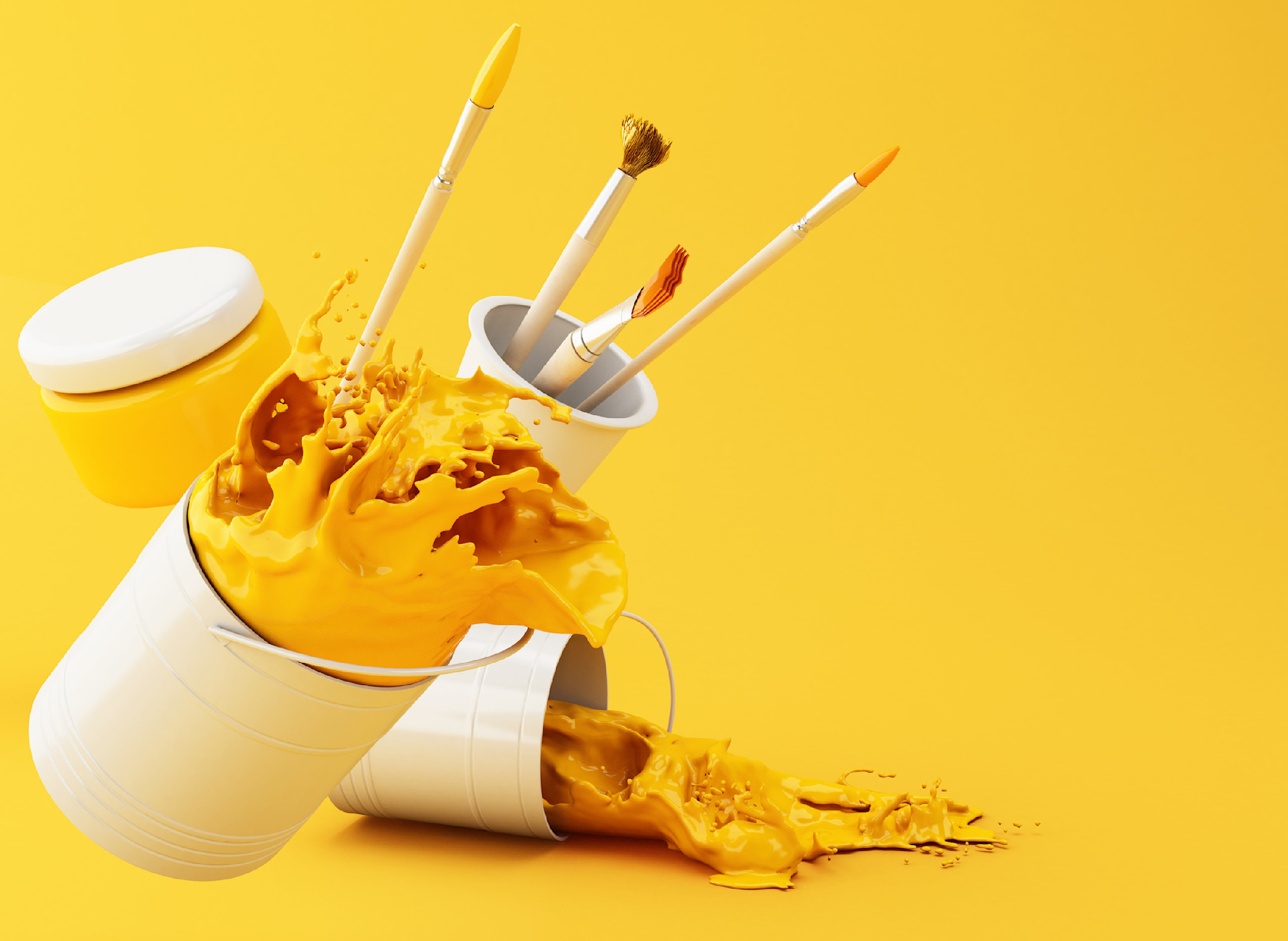
2. Painting
Painting, either with a paintbrush, sponge, or roller, can be very calming and meditative. Each stroke helps soothe your nervous system, reducing anxiety and stress levels.
By giving physical form to emotions and ideas, painting encourages mindfulness, emotional processing, and a sense of achievement, all of which support improved mental wellbeing.
3. Photography
Photography offers a unique way to explore your feelings and feel more connected with the world. Whether you use your phone, a point and shoot camera, or experiment with a digital camera, photography can act as a visual diary - giving you a safe space to revisit and process memories.
4. Colouring
Colouring - particularly adult colouring books - has seen a surge in popularity thanks to its ability to support mental wellbeing. It helps quiet the mind, increase focus, and significantly reduce levels of anxiety.
It’s especially helpful when you want gentle mental relief without the pressure of creating from scratch.
5. Scrapbooking
Scrapbooking uses a combination of photos, notes, and decorative papers to preserve memories and emotions in a creative way. It helps to slow down time, encourages mindfulness, and helps externalise your inner world.
This type of art therapy can reinforce identity, foster gratitude, and boost emotional clarity.
6. Sculpting
Sculpting - a form of art that involves working with materials such as clay, stone, or wood - helps people to engage their minds, bodies, and emotions.
The physical process of moulding, shaping, pressing, or carving releases emotional tension - allowing you to feel instant relief.
7. Digital art
Digital art merges traditional art techniques with modern technology. It is an innovative form of art therapy that offers a new way of expressing yourself.
Design apps, such as Procreate and Canva, can be installed on your tablet, phone, or laptop, making them easily accessible.
Getting help for your mental health
Art therapy is a useful technique, and one that should be used alongside other talking therapies such as CBT and counselling. If you’re struggling with your mental health, you should speak to your doctor or self-refer to your local mental health service.
You can also read more help and advice by visiting our mental health hub.
Further reading
1. Abbing et al: The Effectiveness of Art Therapy for Anxiety in Adult Women
2. Kaimal et al: Reduction of Cortisol Levels and Participants' Responses Following Art Making
4. Hu J et al: Art Therapy: A Complementary Treatment for Mental Disorders
Patient picks for Mental health therapy
Treatment and medication
What is transactional analysis therapy?
Talking therapy might be a catch-all term, but there are a huge number of different types. Transactional analysis is a form of modern psychology and therapy that explores a person's relationships and how they communicate with and interact with others. But what exactly does it entail - and who might benefit from it?
by Lydia Smith
Treatment and medication
Do mental health apps really work?
Mental health apps are booming. Ranging from platforms for improving well-being, to those focused on specific mental illnesses, the last few years have seen a proliferation of digital self-help tools. With many of us using our phones to log our fitness, it's no surprise that we're downloading apps for mind as well as body.
by Abi Millar
About the authorView full bio

Heather Ainsworth
SEO Manager
BA (Hons) Business and Marketing, IDM Cert DDM, MHFAider®
Heather is the SEO Manager at Patient and a trained Mental Health First Aider. She is also a regular health writer, covering a wide range of topics with a particular interest in mental wellbeing, women's health, and holistic health.
About the reviewerView full bio

Dr Colin Tidy, MRCGP
General Practitioner, Medical Author
MBBS, MRCGP, MRCP (Paediatrics), DCH
Dr Colin Tidy is an NHS Doctor, based in Oxfordshire.
Article history
Article also available in English, German, Spanish, French, Italian, Portuguese, Hindi, Hebrew, Arabic, and Swedish.
Next review due: 21 Oct 2028
21 Oct 2025 | Originally published
Authored by:
Heather AinsworthPeer reviewed by
Dr Colin Tidy, MRCGP
Join the conversation
Share your thoughts or experiences with others in our patient communities.

Ask, share, connect.
Browse discussions, ask questions, and share experiences across hundreds of health topics.

Feeling unwell?
Assess your symptoms online for free
Sign up to the Patient newsletter
Your weekly dose of clear, trustworthy health advice - written to help you feel informed, confident and in control.
By subscribing you accept our Privacy Policy. You can unsubscribe at any time. We never sell your data.
More in treatment and medication
- Can deaf people have therapy?
- Chemical found in cannabis could be more effective than painkillers
- Do mental health apps really work?
- How to cope with a terminal illness at Christmas
- How to teach yourself first aid
- Is it safe to take opioid painkillers?
- Is retail therapy actually a thing?
- Labiaplasties – what are they and are they ever medically necessary?
- LGBTQI+: what are the barriers and challenges in end of life care?
- Mounjaro weight loss injections: FAQs
- The dangers of fake drugs
- What does a women's health physiotherapist do?
- What is CBD oil and does it work?
- What is dialectical behavioural therapy (DBT)?
- What is psychodynamic therapy?
- What is serotonin syndrome and what causes it?
- What not to say to someone who is dying
- What you need to know about stopping medication
- When should you stop taking antidepressants?