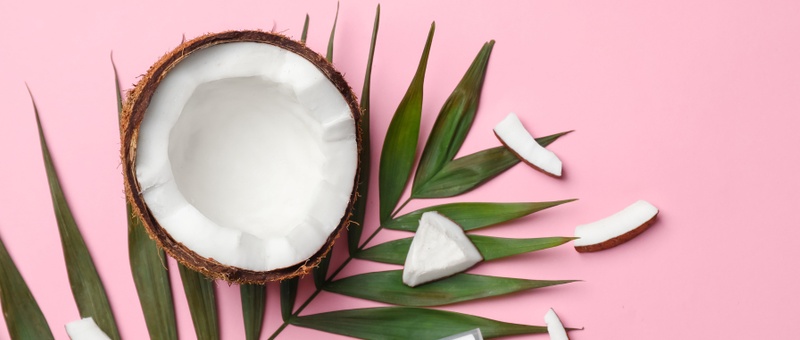
Is coconut oil good for your hair?
Peer reviewed by Dr Colin Tidy, MRCGPLast updated by Victoria RawLast updated 24 Mar 2026
Meets Patient’s editorial guidelines
- DownloadDownload
- Share
- Language
- Discussion
- Audio Version
- Add to preferred sources on Google
Coconut oil can offer a range of benefits for your hair. You've probably heard of it being used on the skin, but many people use it to help with hair growth or detangling. We explore the possible benefits and how best to include coconut oil in your haircare routine.
Is coconut oil good for your hair?
Coconut oil is easily absorbed, making it one of the better oils for repairing dry hair. It helps to moisturise your hair, prevent dandruff, and is gentle on your scalp. Most coconut oil is made from natural ingredients, meaning it tends to be safe for sensitive scalps and is less likely to cause irritation.
What are the side effects of coconut oil?
More research is needed into the wider, long-term effects of coconut oil on the hair, as there is some evidence of negative side effects.
Dr Catherine Borysiewicz, consultant dermatologist at Spire Healthcare, explains that when you leave unrefined oil on your roots and scalp for too long, it's absorbed into your scalp, which can cause your hair growth to slow down.
In addition, coconut oil can make your hair greasy and dull if it builds up on your scalp. This is more likely if you have extra-fine hair.
Borysiewicz says: "In certain instances, coconut oil can even have a drying effect if it is overused or used on the wrong hair type, as it can penetrate the hair cuticle.
"This takes up space within the strands, causing a build-up of proteins."
How to use coconut oil for hair
Borysiewicz says that you can use coconut oil as a split-end treatment for extra dry hair while on the go. However, the best option is to apply the oil on to damp hair after washing.
Warm the coconut oil slightly before applying - do this by adding a small amount to your palm and rubbing your hands together. This makes it more malleable and easier to apply to your hair. If you prefer a liquid consistency, you could also heat the coconut oil up on low heat over a stove. Make sure to allow the oil to cool before pouring on to your hair.
Apply the coconut oil sparingly to your hair - avoiding your scalp to prevent build-up and grease. Spread the coconut oil through the lengths of your hair to add moisture and to detangle.
After applying the coconut oil, dry your hair and style as normal. Make sure you use a heat protectant if using a hairdryer, straighteners, or curling wand.
Borysiewicz adds that you will need to be aware of your hair type before using a coconut oil hair mask. Assess your hair regularly to see if it is suitable for you.
"Using coconut oil once a week is more than enough," she advises. "If you apply it too heavily or too often then your hair follicles may become clogged, and it can cause a build-up of excess oils."
Can you leave coconut oil in your hair overnight?
Do not put coconut oil into your hair before bed and sleep on it. Coconut oil hair masks can clog hair follicles, make your hair greasy, and reduce growth.
You can leave coconut oil in your hair for up to 30 minutes. If you have thin or highly porous hair, 15 minutes is likely enough time.
If you want to use coconut oil as a hair mask or a scale treatment, and your hair type allows, leaving it in overnight occasionally shouldn't cause issues.
Does coconut oil help hair growth?
Some people believe coconut oil helped their hair growth. Coconut oil can improve the health of your hair which can make it appear to be growing at a faster rate, as it can reduce breakage and split ends.
However, there is currently no evidence to support this.
Does coconut oil thicken hair?
There is no medical research to suggest that coconut oil offers a thickening effect on the hair.
If you are hoping to thicken your hair, Borysiewicz suggests considering the following options instead:
Avoid restrictive dieting - eat lots of oxygen-and vitamin-rich foods, such as leafy greens and fruits.
Reduce over-styling, colouring, and heat application to your hair.
Opt for caffeine-based hair products.
Treat yourself to regular head massages to increase the blood flow to the pores in your scalp.
Check with your doctor or dermatologist if you suspect thinning hair might have an underlying health cause.
Is coconut oil good for your skin?
As well as being used on hair, coconut oil is frequently applied on skin and offers a range of benefits.
You can use coconut oil to wash your face like any other face wash. Rub it over your face and then let it sit for a few minutes before washing it off with a warm, wet cloth.
You can also use coconut oil as a make-up remover by applying it to a cotton pad - alternative products for this include micellar water.
Is coconut oil a good moisturiser?
Depending on your skin type coconut oil can be a general moisturiser. However, if you have oily or combination skin, coconut oil might not be the best moisturiser for you. This is because it is comedogenic and can clog your pores.
Borysiewicz says: "Coconut oil is rich in antioxidants and nutrients to help protect the skin. It has been noted as a natural source of antibacterial, antifungal, and antiviral properties."
Other benefits of using coconut oil for skin
Reducing the appearance of fine lines.
Protecting the skin against environmental stressors.
Soothing irritated skin.
Exfoliating dry skin if mixed with raw sugar or sea salt to create a scrub.
Before including coconut oil in your haircare routine, you should assess your hair type, any allergies you might have, and what part of your hair health you want to treat.
Patient picks for Hair and scalp

Skin, nail and hair health
4 common winter hair problems - and how to treat them
In winter, we're constantly going between the chilly, outdoor weather and indoor, central heating. Both these conditions can be harsh on our hair, depriving it of the moisture it needs to stay healthy and full. We asked a hair specialist for tips on preventing the most common winter hair problems, and explore other possible health issues that could be linked to your hair troubles.
by Victoria Raw
Skin, nail and hair health
Does rosemary oil actually help hair grow?
We’re always on the lookout for the latest miracle health product - especially if it’s inexpensive and easily found on the high street. And TikTok is full of claims that rosemary oil is a remedy for rapid hair growth. But is there any evidence it works?
by Lynn Stephen
About the authorView full bio
Updated by

Victoria Raw
Feature Writer
BA (Hons), English Literature
Victoria is a content writer at Patient, with special interests spanning mental wellbeing, societal trends and the impact of technology on our health.
Authored by

Emily Jane Bashforth
Feature Writer
NCTJ
Emily is a Feature Writer with Patient, writing articles on a variety of topics relating to health and well-being.
About the reviewerView full bio

Dr Colin Tidy, MRCGP
General Practitioner, Medical Author
MBBS, MRCGP, MRCP (Paediatrics), DCH
Dr Colin Tidy is an NHS Doctor, based in Oxfordshire.
Article history
Article also available in English, German, Spanish, French, Italian, Portuguese, Hindi, Hebrew, Arabic, and Swedish.
Next review due: 25 Mar 2029
24 Mar 2026 | Latest version
4 Aug 2022 | Originally published
Authored by:
Emily Jane Bashforth
Join the conversation
Share your thoughts or experiences with others in our patient communities.

Ask, share, connect.
Browse discussions, ask questions, and share experiences across hundreds of health topics.

Feeling unwell?
Assess your symptoms online for free
Sign up to the Patient newsletter
Your weekly dose of clear, trustworthy health advice - written to help you feel informed, confident and in control.
By subscribing you accept our Privacy Policy. You can unsubscribe at any time. We never sell your data.