How to treat sunburn blisters
Peer reviewed by Dr Krishna Vakharia, MRCGPLast updated by Victoria RawLast updated 10 Jun 2024
Meets Patient’s editorial guidelines
- DownloadDownload
- Share
- Language
- Discussion
- Audio Version
- Add to preferred sources on Google
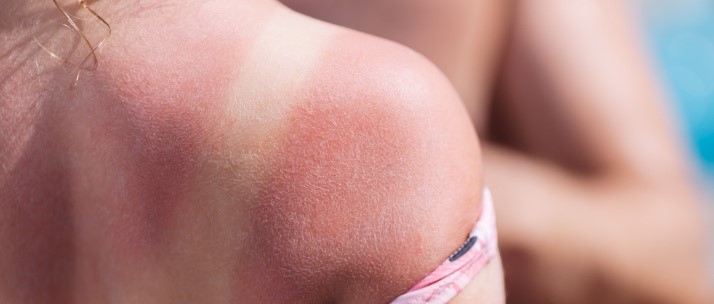
Hot weather seems like the best time to soak up the sun, work on a tan or play outdoors. But warmth and heat can be dangerous. Sunburn can sometimes blister, causing pain and infection. What causes sunburn blisters? How do you treat them and should you really pop them?
While sunlight provides health benefits such as increasing vitamin D levels, it can also cause problems such as sunburned skin, sunburn blisters, peeling skin and other symptoms such as headache or feeling sick (sun poisoning)1. Excessive exposure to sunlight can also increase your chances of getting heat stroke, and even lead to skin cancer.
Sunburn blisters cause a lot of pain and damage to your skin. Without proper treatment, they can become infected, causing tissue damage and scarring. Detecting sunburn blisters early, spotting signs of infection, and choosing the best treatments can help them heal quickly.
What are sunburn blisters?
Sunburn blisters are skin injuries caused by second-degree sunburn. They occur when the sun burns and damages tissues in the skin. They appear as small, fluid-filled, painful, raised bumps, covered by a layer of skin. Sunburn blisters develop around 6 - 24 hours after excessive exposure to sunlight. They can be very itchy.
Why does sunburn blister?
Blisters can form when your skin is severely exposed to the sun's heat and UV (ultraviolet) rays. This causes UV damage and severe burning, which harms blood vessels and other tissues in your skin, causing their fluid to leak out. When the leaked fluid collects, blisters form - the result is a sunburn blister.
People with lighter skin tones are more likely to have blisters than those with darker skin tones. That's because darker skin has higher levels of melanin, which helps to protect the skin against UV rays.
Do sunburn blisters scar?
Sunburn blisters are unlikely to scar if they are mild, affect a small area, and remain uninfected. However, they can scar if the blisters are severe, extensive, or if they become infected.
How should you treat a sunburn blister?
You can treat sunburn blisters at home or in a clinic. The way you treat them depends on how bad the blistering is and if there are other symptoms of illness:
Home treatment is fine for mild to moderate sunburn blisters that cover a small area of skin with no other symptoms of ill health.
You should seek medical attention if severe sunburn blisters affect large areas of skin or are followed by other symptoms of illness.
How to treat sunburn blisters at home
When treating sunburn blisters at home, you should aim to relieve pain, prevent infection, and promote healing.
Here's how to do this:
Take pain relief medication such as paracetamol or ibuprofen.
Cover the blister - or blisters - with cold, damp compresses.
Apply a moisturiser containing aloe vera.
Drink plenty of water to prevent dehydration.
Wear sun-protective, or moisture wicking clothing such as long-sleeved shirts and sun hats.
You should avoid:
Further exposure to sunlight.
Picking the blisters.
Applying oil, rubbing alcohol or petroleum jelly - such as Vaseline - to blisters.
Vigorous scrubbing.
Scratching blisters.
Should you pop a blister from sunburn?
Dr Paul Banwell, a cosmetic surgeon with the Banwell Clinic in East Grinstead, says: "You really should not pop the blisters because blisters form to help your skin heal and protect you from infection."
Popping a sunburn blister makes it easier for it to become infected. The intact blister covers the damaged skin underneath and provides a space for it to heal. Popping it disrupts that space and exposes the damaged skin to germs, causing an infected blister.
Signs of an infected blister include:
The blister is filled with cloudy green or yellow pus.
The skin around the blister looks red and swollen.
The blister feels almost hot to the touch.
What to put on a popped sunburn blister
Sometimes sunburn blisters pop on their own. When this happens, you should:
Wash your hands.
Gently clean the area.
Cover them with an antibiotic ointment.
Wrap them in a non-stick gauze bandage.
Keep them dry.
How to prevent sunburn from blistering
Once the skin has suffered from sunburn blisters, you can't reverse it. So, the best way to prevent blisters is to not get sunburnt in the first place.
You can prevent sunburn by:
Staying indoors between 11am and 4pm when the sun is at its highest.
Applying a generous amount of sunscreen with a sun protection factor (SPF) of 30 or more whenever you are outdoors every 2 hours at least.
Reapplying sunscreen after swimming, baths, or excessive sweating.
Wearing protective clothing such as long-sleeved loose tops, sunglasses, and wide-brimmed hats.
Taking extra precautions when taking medicines that increase sun sensitivity.
How long do blisters from sunburn last?
Mild to moderate blisters can heal in about a week. After the healing process, they may leave coloured dark or light spots on your skin for up to a year.
Severe sunburn blisters can take longer than a week to heal. If your sunburn blisters don't heal in seven days, contact your doctor. They may prescribe a course of antibiotic ointment, or a sterilised needle may be inserted into the blister to allow the fluid to drain.
Excessive sun burn exposure, burns and blisters cause long term skin damage which could lead to skin cancer so it is important to take measures to prevent this from happening.
Further reading
Patient picks for Sun and sunburn
Skin, nail and hair health
Does SPF moisturiser give you enough sun protection?
We all know that sunscreen is a must on a sunny day. Although the kind you need will depend on the weather conditions and your skin type, only the most foolhardy of us would skimp on sun protection.
by Abi Millar

Skin, nail and hair health
Why are men less likely to wear sun cream?
By now, health promotion campaigns have made most people aware of the importance of protecting their skin from the sun. Yet a significant portion of the population still doesn't use sunscreen on sunny days, and the majority of culprits are men.
by Milly Evans
About the authorView full bio
Updated by

Victoria Raw
Feature Writer
BA (Hons), English Literature
Victoria is a content writer at Patient, with special interests spanning mental wellbeing, societal trends and the impact of technology on our health.
Authored by

Dr Nsisong Asanga, MPH
MPH
Dr Nsisong Asanga is a physician, editor and writer. Her work has appeared in WebMD, Amerisleep, VeryWell Health and other places. She tweets @Ncbassey.
About the reviewerView full bio

Dr Krishna Vakharia, MRCGP
Chief Medical Officer for Health, Optum UK
MBChB, MRCGP(2013), BMedSci (hons), DFSRH, DRCOG, PGDipDerm (Distn)
Dr Krishna Vakharia is an NHS GP. She is also a regular examiner for the postgraduate Diploma in Practical Dermatology at Cardiff University as well as being the Chief Medical Officer for health at Optum UK.
Article history
Article also available in English, German, Spanish, French, Italian, Portuguese, Hindi, Hebrew, Arabic, and Swedish.
Next review due: 10 Jun 2027
10 Jun 2024 | Latest version
22 Sept 2022 | Originally published
Authored by:
Dr Nsisong Asanga, MPH
Join the conversation
Share your thoughts or experiences with others in our patient communities.

Ask, share, connect.
Browse discussions, ask questions, and share experiences across hundreds of health topics.

Feeling unwell?
Assess your symptoms online for free
Sign up to the Patient newsletter
Your weekly dose of clear, trustworthy health advice - written to help you feel informed, confident and in control.
By subscribing you accept our Privacy Policy. You can unsubscribe at any time. We never sell your data.