What is the difference between implantation bleeding and a period?
Peer reviewed by Dr Sarah JarvisLast updated by Lydia SmithLast updated 1 Nov 2021
Meets Patient’s editorial guidelines
- DownloadDownload
- Share
- Language
- Discussion
- Audio Version
- Add to preferred sources on Google
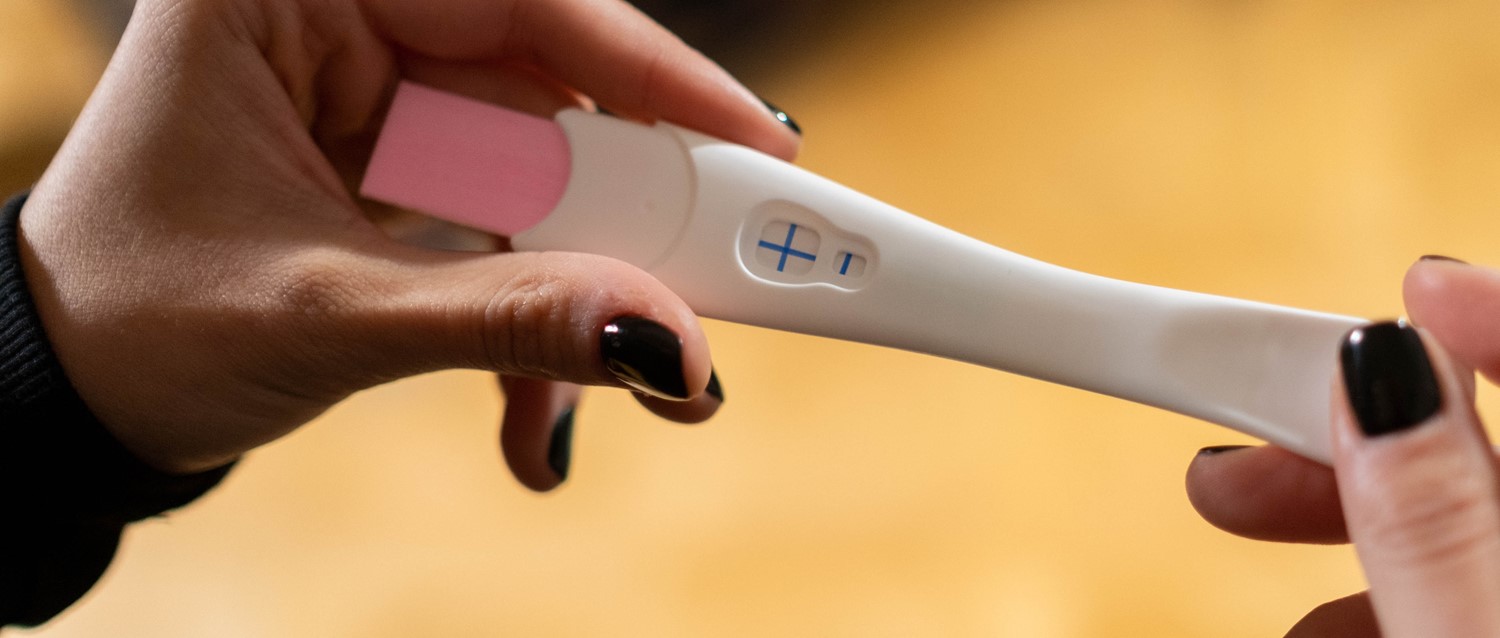
Trying for a baby and the early days of pregnancy can be a stressful time and you may be on high alerts for signs and symptoms, or wondering whether what is happening to your body is normal. It can be especially anxiety-inducing to experience some spotting if you are trying to conceive. Although it could be a period, it may also be implantation bleeding - a sign of early pregnancy.
Sign up for our free 8-week Healthy Pregnancy course!
Each week we’ll share useful information and essential tips on topics such as nutrition, exercise, mental health, symptoms to look out for, and preparing for childbirth, to help you navigate your pregnancy journey whatever stage you are at.
By subscribing you accept our Privacy Policy. You can unsubscribe at any time. We never sell your data.
What is implantation bleeding?
When you ovulate, one of your ovaries releases an egg into your Fallopian tubes. If you have unprotected sex up to three days before or within 24 hours of this release, there's a chance that the egg could become fertilised with sperm. Implantation bleeding can occur in very early pregnancy when the fertilised egg attaches to the uterine lining.
"Implantation is when the fertilised egg is embedding into the wall of the womb, which usually happens around the time your period would have been due," explains Amina Hatia, midwifery manager of the UK pregnancy and baby loss charity Tommy's. "Sometimes this leads to very light spotting known as implantation bleeding."
What does implantation bleeding look like?
If you are trying to get pregnant, bleeding can be the sign of a period. However, the colour and quantity of blood seen with implantation bleeding is different from ordinary menstrual blood. You may see it when you wipe after going to the toilet or in your underwear.
"It shouldn't be enough to soak through pads or underwear, and it is light pink or brown rather than very red, and should only last for a day or so," says Hatia.
"Light bleeding without pain is common in early pregnancy - before 12 weeks - so don't panic if you experience this, but always contact your doctor or midwife and get checked out straightaway just to be sure."
Research suggests light bleeding happens in 15% to 25% of early pregnancies. Although it can be worrying, Tommy's states that many women who experience vaginal bleeding in the first trimester continue to have a viable pregnancy.
Implantation cramping
Sometimes, you may feel light cramping that feels a little like period pain during implantation. Not everyone feels this cramping, and the intensity varies from person to person. Some describe implantation cramping as a dull ache or light twinges, or even a pulling sensation. Like period pain, the sensations can be felt in the lower abdomen and the lower back too.
Every menstrual cycle is a different length and isn't necessarily 28 days long. Therefore, it is difficult to say exactly when your implantation spotting and cramping may occur.
If you notice any spotting or very light bleeding around the date you would have your period and you suspect you might be pregnant, it's important to take a pregnancy test. If you are pregnant, talk to your GP and mention any bleeding you have, just so any other factors can be ruled out.
What are the other signs of early pregnancy?
If you have a regular monthly menstrual cycle, the earliest and most reliable sign of pregnancy is a missed period.
Other symptoms of early pregnancy include fatigue, food aversions or cravings, a stronger sense of smell, swollen breasts and nausea, although sickness usually kicks in from between four and six weeks of pregnancy.
What else can cause bleeding in early pregnancy?
Light bleeding or spotting in the first 12 weeks of pregnancy can be normal. However, you should speak to your doctor, midwife or Early Pregnancy Unit - at your local hospital - to be checked just in case. Bleeding in pregnancy after the first trimester is not common and you should contact A&E or your hospital maternity unit immediately so you can be examined.
There are a few reasons why you might experience light bleeding or spotting during the first trimester. Pregnancy hormones can cause changes to the cervix, which can sometimes trigger bleeding, particularly after sex. Occasionally, vaginal bleeding can also be caused by an infection, which should be treated quickly.
When is bleeding more serious in the first trimester?
Bleeding can sometimes be a sign of something more serious. It's important to seek urgent medical attention for any vaginal bleeding if you have had a positive pregnancy test. Your doctor will be able to run some simple examinations and tests to rule out anything serious.
A miscarriage is when a pregnancy ends before 24 weeks and symptoms can include bleeding that is bright red and needs a pad, cramping, or back and stomach pain. According to Tommy's, some women may experience what is known as a 'threatened miscarriage'. This is diagnosed where there is ongoing bleeding with or without pain but the woman is still pregnant.
An ectopic pregnancy can also cause bleeding, stomach pain on one side, pain in the tip of the shoulder or discomfort when going to the toilet. This is when a fertilised egg implants outside the womb, usually in the Fallopian tube. This is a medical emergency, and it's especially important to see a doctor urgently if you get one-sided pain at around the same time as bleeding.
A molar pregnancy is a rare complication in which a fetus doesn't form properly in the womb and a baby doesn't develop. Bleeding, severe morning sickness and an unusually swollen abdomen are all symptoms.
However, it's important to get checked by your doctor or the maternity unit who will be able to confirm if your bleeding is a problem or not.
Patient picks for Bleeding in pregnancy

Pregnancy
Miscarriage: why it's important to break the taboo
Worldwide, around 23 million miscarriages occur each year. Yet there is a cultural taboo against the public recognition of miscarriages and the expression of grief. Talking about miscarriage is important for the validation and support of parents going through this difficult time.
by Amberley Davis
Pregnancy
Video: Can stress cause a miscarriage?
A miscarriage is a tough time for all involved, and you're likely to have many questions about the physical and mental experience you're going through. Our experts have put a series of answers together to try and support you.
by Dr Sarah Jarvis
About the authorView full bio

Lydia Smith
Feature writer
BA, MA, MSc
Lydia Smith is an award-winning journalist and feature writer who has written extensively on women's health and mental health. She is currently studying for an MSc in psychology.
About the reviewerView full bio

Dr Sarah Jarvis
Clinical Consultant
MA (Cantab), BM, BCh (Oxon), DRCOG, FRCGP, MBE
After training in medicine at Cambridge and Oxford, Dr Sarah Jarvis MBE became a GP.
Article history
The information on this page is peer reviewed by qualified clinicians.
Article also available in English, German, Spanish, French, Italian, Portuguese, Hindi, Hebrew, Arabic, and Swedish.
1 Nov 2021 | Latest version
Join the conversation
Share your thoughts or experiences with others in our patient communities.

Ask, share, connect.
Browse discussions, ask questions, and share experiences across hundreds of health topics.

Feeling unwell?
Assess your symptoms online for free
Sign up to the Patient newsletter
Your weekly dose of clear, trustworthy health advice - written to help you feel informed, confident and in control.
By subscribing you accept our Privacy Policy. You can unsubscribe at any time. We never sell your data.
More in pregnancy
- Can Pilates help strengthen your pelvic floor during pregnancy?
- Contraception videos
- Does taking paracetamol in pregnancy lead to behavioural problems in kids?
- Easy ways to get the pill: options beyond the GP surgery
- Healthy pregnancy - what you need to know
- How stopping breastfeeding can impact your mental health
- How to cope with hair loss after having a baby
- How to manage pregnancy when you have an eating disorder
- Looking after your mental health when returning to work after maternity leave
- Putting together a budget for your baby
- Should you consider the copper coil for emergency contraception?
- The best form of childbirth for you and your baby
- The pros and cons of female condoms
- Video: Is it safe to have sex during pregnancy and other lifestyle questions?
- Video: When are you most likely to get pregnant?
- What are the benefits of postnatal Pilates?
- What happens when you come off the pill?
- What is pre-eclampsia and how can it affect pregnant women?
- What to pack on your babymoon
- Which types of condoms are best for preventing pregnancy?