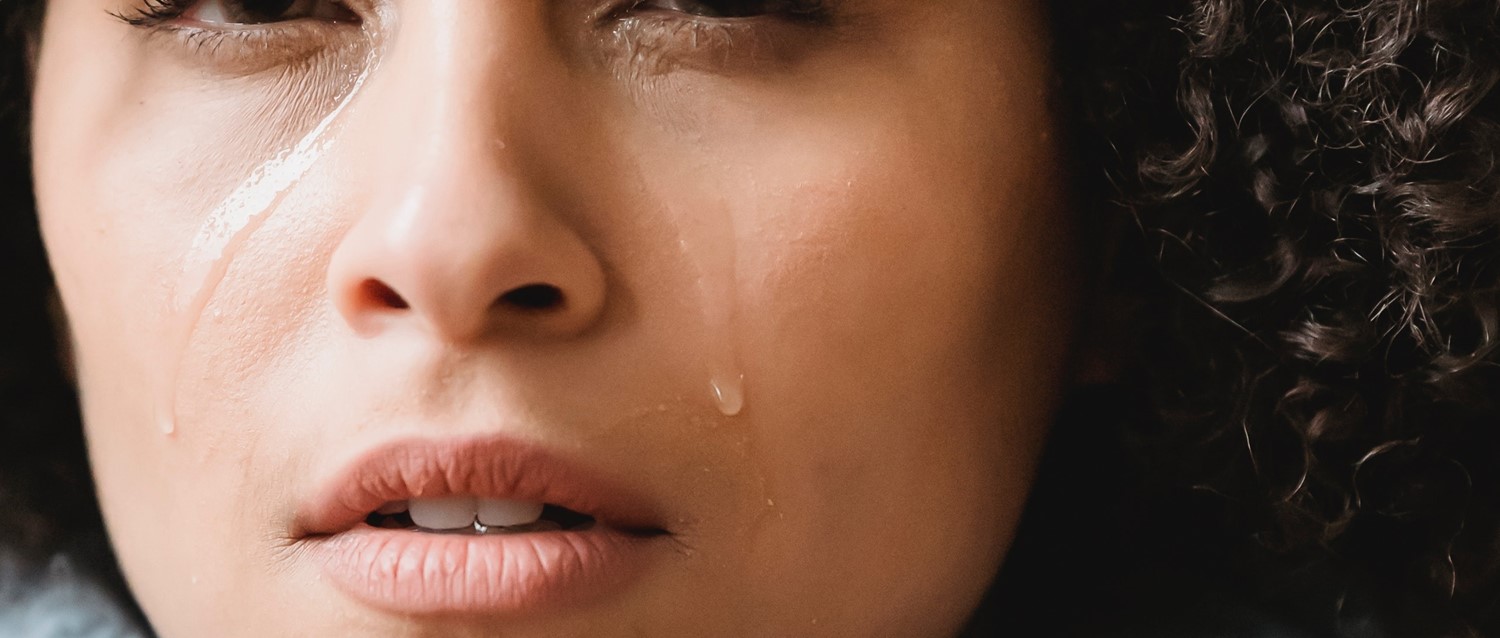
Is crying good for you?
Peer reviewed by Dr Sarah JarvisAuthored by Emily Jane BashforthOriginally published 10 Nov 2021
Meets Patient’s editorial guidelines
- DownloadDownload
- Share
- Language
- Discussion
- Audio Version
- Add to preferred sources on Google
Crying is a completely natural, human process that happens under a variety of circumstances. We cry when we belly laugh, when we grieve, when we're overcome with happiness and at soppy adverts on TV. But is crying actually good for your health? And why is it important to let your tears out when you just need a good bawl?
Mental health support for adults and children
Online CBT and psychological therapy for adults and children aged 8–17. Onebright’s accredited clinicians support people experiencing anxiety, depression and other emotional challenges.
Why do we cry?
There can be many reasons for our tears - sometimes we cry randomly or without knowing why. But we actually have three different types of tears, each of which fulfils specific roles and flows for different reasons.
Basal tears
Basal tears are your basic, functional tears. These coat your eyes all day long and are released continuously in small amounts. Their function is to lubricate the cornea and keep it clear of dust, which is important for accurate vision and to avoid damage to the sensitive surface of the eye. They also ensure comfort and help fight bacterial infections.
As well as keeping your eyes hydrated and helping sharpen your focus, they provide general protection for your eyes. Blinking allows them to spread evenly over the surface of your eyes.
Basal tears contain:
Water - this provides moisture and hydration.
Mucus - this helps the tears spread over the eye surface.
Oils - these lubricate your eyes.
Antibodies and special proteins - these help fight off infections.
Irritant tears
Irritant tears form when your eyes are irritated by foreign particles. Their job is to protect you and flush out irritants.
Irritant tears flow from the glands under your eyebrows and can occur, among other times, when you:
Chop onions.
Get perfume in your eyes.
Get pepper spray or tear gas around your eyes.
Get any type of debris in your eyes.
Emotional tears
These are the common type of tears we often refer to as 'crying' or 'weeping'. These are a result of strong emotions, whether it be happy or sad. Emotional tears can be triggered by physical pain, empathy, grief, stress, anger or even laughter. They allow you to communicate your feelings to others.
Emotional tears contain stress hormones, which are relieved when the tears are shed. This is why 'a good cry' can be therapeutic. These tears can also cause a red face, puffiness, coughing or irregular breathing and sobbing. An intense cry can sometimes cause your whole upper body to spasm. The function of emotional tears is to stabilise your mood as quickly as possible.
Why do we cry for no reason?
While crying is a completely human process and a normal response to multiple situations, you might cry for no reason sometimes. If this happens continuously, it can be draining and greatly impact your daily life. This type of crying could be a sign of a mental health condition, like anxiety or depression. You could also be suffering from burnout or stress.
Crying for no reason is also common during menstruation as hormonal changes occur, leading to various physical and emotional symptoms.
Does crying have any health benefits?
In short, yes, crying is good for your health. But why? Especially when crying can be exhausting and may occur in times of deep sadness, it doesn't always feel so great.
Some health benefits of crying
Signalling you need help
Only human beings shed tears in response to emotional distress. There is scientific evidence that seeing someone crying fosters a willingness to help in those who see it. Interestingly, there appear to be some sex differences where this is concerned - women seeing another woman cry reported feeling connected to them as a result, while men did not report the same degree of connection. However, for both men and women, the desire to step in and offer support was mediated by a perceived sense of helplessness in the person crying.
Relieving physical pain
Crying is one of the body's way of trying to ease your pain. Emotional tears reduce the sensation of pain by releasing oxytocin and endorphins.
Easing stress
Built-up stress can increase your risk of having a heart attack, as well as cause other health issues. Therefore, it's a good idea to have that big cry when you need to. This can provide a temporary release of chemicals and stress hormones.
In some areas, 'crying therapy' is being actively studied as a treatment option. One study looking at crying therapy for breast cancer survivors showed significant changes in mood and levels of distress after sessions of crying therapy.
Lowering blood pressure
Crying can lower both your blood pressure and heart rate, studies have found. It does this by activating your parasympathetic nervous system (PNS), which helps you relax.
Cleaning your nose
Yes, crying helps to clean out your nose too. Your tear ducts are connected to the inside of your nose, so crying helps flush out bacteria and irritants from your nose as well as your eyes.
Fighting infection
As well as protecting your eyes from dirt and debris - particles often too small for us to see - tears help fight bacteria. Basal tears do this as they contain a naturally occurring antimicrobial compound called lysozyme. Lysozyme is a naturally occurring enzyme also found in other bodily secretions such as saliva and milk. Its powerful properties kill micro-organisms or stop their growth.
Getting a better night's sleep
You might be familiar with feeling extremely tired and having a headache after a big cry. Afterwards, it's likely you'll get a good sleep then wake up feeling well rested. It is yet to be proven whether crying has a direct correlation with better-quality sleep in adults. However, a 2015 study found that crying does help babies sleep better.
Another study found that parents with a low tolerance for their baby's crying were more likely to have a baby who had problems sleeping.
Enhancing vision
Our eyes require hydration in order to see properly, just like our bodies need water to function. Crying rehydrates your eyes when basal tears are released. This process prevents mucous membranes from drying out, sharpens your focus and improves overall vision.
Is it unhealthy not to cry?
Not everyone is a crier, and that's OK. However, suppressing your emotions can have consequences for your mental health. When you try to shove your feelings of grief, sadness, anger or hurt down, you can actually heighten them. Not crying, in the short term, can lead to irritability, sleep issues and anxiety. In the long term, it can cause high blood pressure and heart problems.
While there's no tap for spontaneously turning on the waterworks, learning to let your emotions out and accepting that there's no shame in a good bawl can be really cathartic.
However, if you are having trouble crying and feeling physically unable to cry, it might be a sign of another medical problem.
Certain medical conditions can affect your ability to produce tears. These conditions include:
Dry eye syndrome - this involves a decrease in tear production and can occur more commonly with ageing, pregnancy or menopause-related hormone changes, diabetes, contact lens use and eyelid inflammation.
Sjögren's syndrome - this autoimmune condition develops with a bacterial infection and can cause dry eyes and a dry mouth. It causes the white blood cells in your body to attack the glands that produce moisture.
Certain medications - certain drugs can also affect tear production. You might notice you have trouble crying if you take birth control pills, blood pressure medications or antihistamines.
When to see a doctor about your crying
While a cry every now and again is a healthy way of releasing built-up emotions, you should consult your GP if your crying:
Is frequent and uncontrollable.
Often occurs for no apparent reason.
Interferes with your ability to perform everyday tasks.
Is accompanied by other physical, emotional or psychological symptoms.
Patient picks for Mental wellbeing

Mental health
Young people who seek mental health support forced to cope on their own
More than 78% of young people in the UK are told by adults to cope on their own and left without adequate support, a new study suggests.
by Ashwin Bhandari

Mental health
Breaking the stigma of mental health
Many celebraties are now quite rightly openly discussing mental health. By raising awareness, the aim is to break the stigma around it so that people of all ages can recognise the symptoms and get the help needed.
by Dr Sarah Jarvis
About the authorView full bio
Authored by

Emily Jane Bashforth
Feature Writer
NCTJ
Emily is a Feature Writer with Patient, writing articles on a variety of topics relating to health and well-being.
About the reviewerView full bio

Dr Sarah Jarvis
Clinical Consultant
MA (Cantab), BM, BCh (Oxon), DRCOG, FRCGP, MBE
After training in medicine at Cambridge and Oxford, Dr Sarah Jarvis MBE became a GP.
Article history
Article also available in English, German, Spanish, French, Italian, Portuguese, Hindi, Hebrew, Arabic, and Swedish.
10 Nov 2021 | Originally published
Authored by:
Emily Jane BashforthPeer reviewed by
Dr Sarah Jarvis
Join the conversation
Share your thoughts or experiences with others in our patient communities.

Ask, share, connect.
Browse discussions, ask questions, and share experiences across hundreds of health topics.

Feeling unwell?
Assess your symptoms online for free
Sign up to the Patient newsletter
Your weekly dose of clear, trustworthy health advice - written to help you feel informed, confident and in control.
By subscribing you accept our Privacy Policy. You can unsubscribe at any time. We never sell your data.