
How to help a friend with an eating disorder
Peer reviewed by Dr Sarah JarvisAuthored by Danny ChadburnOriginally published 21 Sept 2017
Meets Patient’s editorial guidelines
- DownloadDownload
- Share
- Language
- Discussion
- Audio Version
- Add to preferred sources on Google
Trying to talk to someone you suspect has an eating disorder can be a daunting prospect. But this tricky conversation can be an essential first step to getting them the specialist support they need. Once they have confided in you, there's a lot you can do to support them too.
Mental health support for adults and children
Online CBT and psychological therapy for adults and children aged 8–17. Onebright’s accredited clinicians support people experiencing anxiety, depression and other emotional challenges.
Here are some ways you can help.
Spotting the signs of anorexia
Not sure if there's a problem? These are some of the early signals that a friend may have an eating disorder:
Behaving differently when it comes to food, such as avoiding going out for meals or eating in front of you.
Being obsessive about food, including cutting out lots of different food groups or planning ‘healthy’ meals meticulously.
Having a distorted view of their body size.
Losing a lot of weight.
Disappearing to the toilet after meals.
Being tired or irritable a lot of the time.
Exercising obsessively.
Bringing the subject up
Once you think your friend may have an eating disorder, you need to know how to discuss it with them so you can offer support and encouragement to get help:
Think about what you want say beforehand and how you will say it. Don't blame, shame or get angry - focus instead on how they are feeling.
Choose the right time. Pick somewhere private and comfortable, and ideally not when food is around.
Try to explain why you're concerned and that you want to help. But be prepared for anger or flat denial at first. You can reassure them that eating disorders are not rare, so they shouldn't feel embarrassed in any way.
Gently encourage them to seek help from their GP who can refer them to a specialist. Offer to go to any appointments with them. In many ways, getting your friend to seek specialist help is the most important way you can help. You can also offer to be there if they want to tell other friends, partners or family.
If they completely deny there's a problem in this initial conversation, don't feel disheartened. You've still opened a door, which is a great first step.
If you're really concerned and they refuse to speak to a doctor, you can speak to their doctor about your concerns. Their doctor won't be able to disclose anything to you about them without their consent. But they can take note of your concerns, and bear it in mind at their next consultation. Do be aware, though, that finding out you've gone behind their back could put a strain on your relationship - working together is always best if possible.
Support during treatment and recovery
Listen, don't analyse
It might be tempting to try to understand what's behind your friend's eating disorder, but probing and diagnosing can have the opposite effect; instead of opening up, your friend might shy away from discussing it. Instead, stay calm and reassure them you're there to listen whenever they want to talk. Let them speak without criticising.
Pick conversation subjects carefully
Eating disorders aren't really about food; they're about feelings, so don't talk about diets and weight loss. Avoid commenting on how they look, as someone with an eating disorder will often misinterpret compliments around weight and appearance in a negative way. Focus on how they're feeling and coping instead.
Let them do the talking
If they want to chat about their treatment, that's fine. Your friend's life may have changed significantly, with a lot of hospital and doctors' appointments. Understanding this will help you appreciate exactly what recovery entails and how difficult it can be. Most people in treatment value having someone to talk to who isn't family or a doctor - but know your limits. Being concerned and trying to help are part of a good friendship, but don't take it on yourself to fix things. Treatment is best left to the specialists.
Be thoughtful
You may have noticed your friend has changed. They might not want to go out anymore, but keep trying to include them, just as you normally would. Even if they don't join in, they'll appreciate being asked. You can also try to build up their self-esteem by telling them you think they're great and how much you appreciate their friendship.
Plan something fun to do
Suggest meeting up and doing something together - it's a good distraction from their illness and will give you both something to enjoy. Consider non-food-related activities like a walk in the park or going to the theatre, comedy club or cinema. If they do want to eat out, letting them pick the restaurant is a good idea. Don't be tempted to congratulate them on how much they eat, but focus on the conversation. If they don't feel up to going out at all, offer to spend some time at their house watching TV or just catching up.
Let them know you're there
Above all, remember dealing with an eating disorder is extremely difficult and probably the hardest thing your friend will ever have to do. When you're in recovery it can often feel very lonely, so one of the most important things you can do throughout the process is tell your friend that you love and care about them.
Talk about all the ways in which you need them and their support too, as this will help keep balance in the relationship. And remember to reassure them you're in it for the long haul and will always be their friend whatever happens.
Patient picks for Eating disorders

Mental health
How to manage pregnancy when you have an eating disorder
Pregnancy can present a number of challenges for people with eating disorders. It is a period of great change as a new life is created. Eating disorders in pregnancy can also develop, even if someone hasn't experienced one before. In both instances, it's important to practise self-care and establish a trustworthy support system that can offer advice and help you when triggers arise.
by Emily Jane Bashforth
Mental health
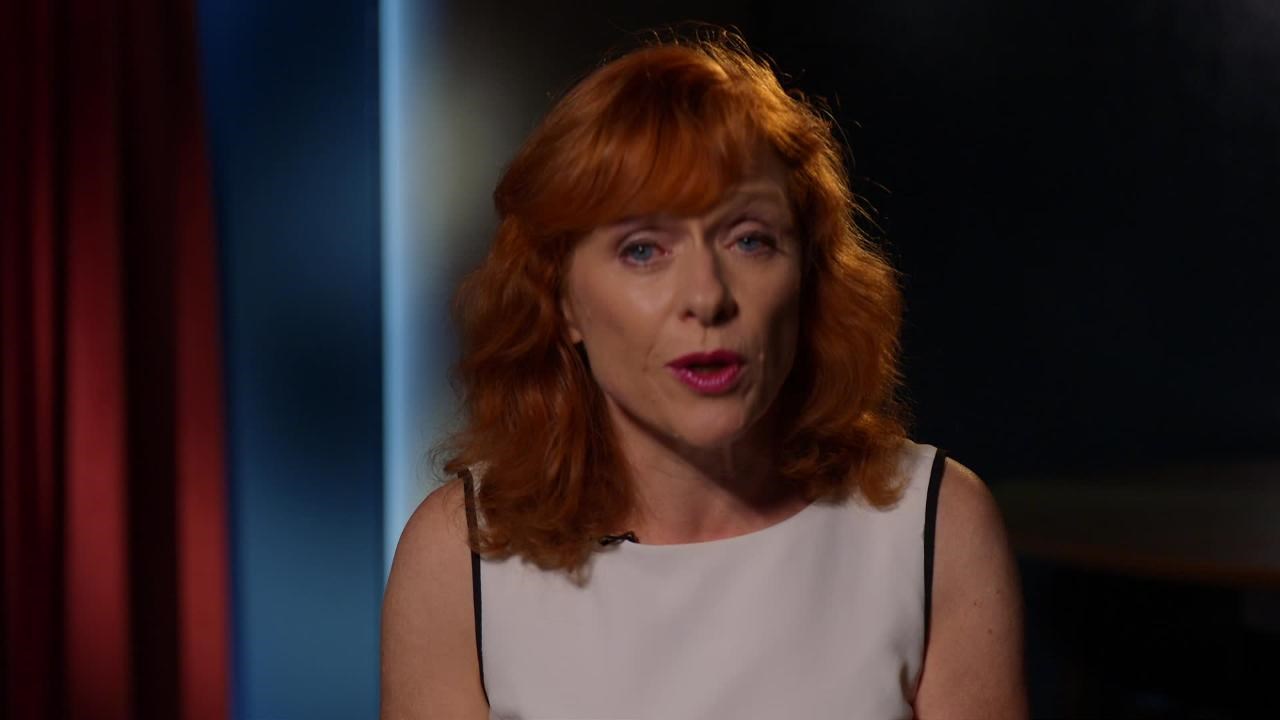
Video: What are the causes of anorexia?
Whether it's you, a family member or a close friend who's suffering from anorexia, there are always going to be a lot of questions around this complex condition. Our experts take a look at some of the main ones.
by Dr Sarah Jarvis
About the author

Danny Chadburn
Head of Content
Danny was the previous Head of Content at Patient.
About the reviewerView full bio

Dr Sarah Jarvis
Clinical Consultant
MA (Cantab), BM, BCh (Oxon), DRCOG, FRCGP, MBE
After training in medicine at Cambridge and Oxford, Dr Sarah Jarvis MBE became a GP.
Article history
Article also available in English, German, Spanish, French, Italian, Portuguese, Hindi, Hebrew, Arabic, and Swedish.
21 Sept 2017 | Originally published
Authored by:
Danny Chadburn
Peer reviewed by
Dr Sarah Jarvis
Join the conversation
Share your thoughts or experiences with others in our patient communities.

Ask, share, connect.
Browse discussions, ask questions, and share experiences across hundreds of health topics.

Feeling unwell?
Assess your symptoms online for free
Sign up to the Patient newsletter
Your weekly dose of clear, trustworthy health advice - written to help you feel informed, confident and in control.
By subscribing you accept our Privacy Policy. You can unsubscribe at any time. We never sell your data.
More in mental health
- Alarming' rise in self-harm in young people
- Can football tackle mental health stigma?
- Can men experience postnatal depression?
- Can you have therapy if you don't have a mental health problem?
- How money worries can affect your health
- How students and teachers can beat exam stress
- How to deal with holiday anxiety
- How to deal with negative body image in the summer
- How to get over gym anxiety
- How to look after your mental health during your menstrual cycle
- How to manage your mental health if you've been made redundant
- How to protect your mental health in the workplace as a Black woman
- Overcoming your fear of needles
- Video: Why do people get depressed?
- What happens to your body during a panic attack?
- What triggers eating disorders in men?
- When can procrastinating be healthy?
- Where does a fear of vaccines come from?
- Why is there still stigma around antidepressants?