
What you need to know about flu
Peer reviewed by Dr Krishna Vakharia, MRCGPLast updated by Lawrence HigginsLast updated 17 Nov 2024
Meets Patient’s editorial guidelines
- DownloadDownload
- Share
- Language
- Discussion
- Audio Version
- Add to preferred sources on Google
Read on for to find out how to help prevent getting flu, stopping it spreading, and everything else you really need to know about this virus.
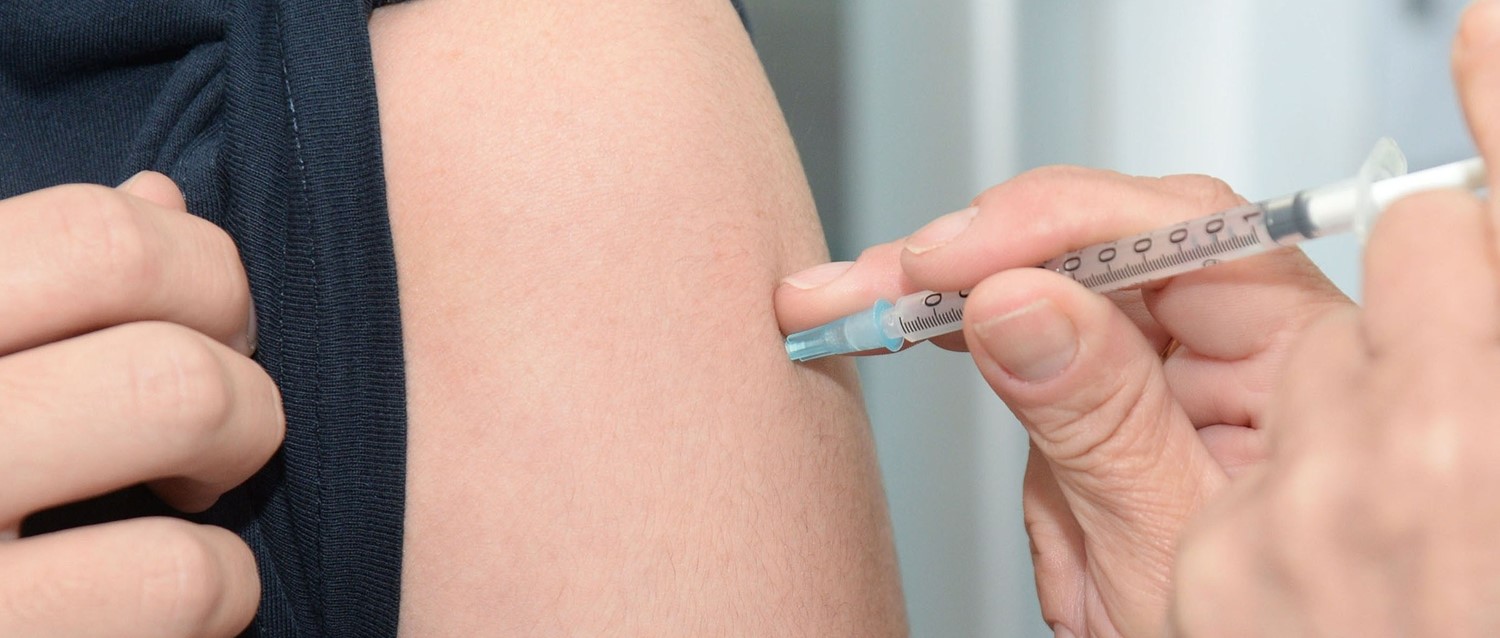
Public Health England estimates that 14,500 people died from the flu over winter 2022 to 2023. The flu vaccine is one of the best protections - as well as reducing the risk of catching flu, it cuts the chance of complications if you get it. To find out if you're eligible, head to the two-minute Patient Access flu eligibility checker.
But how can you avoid catching it in the first place?
Prevention or cure?
Flu is caused by a virus - that means antibiotics are completely useless. Anti-virus tablets do exist, but they're not a cure - they may speed recovery by a couple of days. So apart from the flu vaccine, the other best way of avoiding flu is to avoid the virus in the first place.
The virus is spread by droplets you breathe in and direct contact - picking the germ up on your hands and getting it into your system when you touch your nose, mouth or eyes.
Flu prevention tips
Here are some simple lifestyle measures which will help reduce your risk of becoming infected with flu
Wash your hands regularly with soap and water, especially when you've been in a public place where germs from others might have landed. 20 seconds is enough to destroy 'envelope viruses'.
Wipe down computer keyboards, phones and doorknobs.
Avoid close contact with others as much as possible if they're poorly - and in particular, try to stay out of reach of people sneezing, which blasts viruses at huge force around the room.
Try to avoid touching your nose, hands and mouth wherever possible.
Encourage everyone to 'catch it, bin it, kill it' - cover your mouth and nose with a paper tissue, bin it immediately and then wash your hands - or use at least 60% alcohol hand sanitiser.
Eat a healthy diet - lots of fruit and veg and not too much processed food are linked to a better immune system, meaning you're more likely to be able to fight the virus off.
Regular exercise isn't just good for your heart - there's evidence it strengthens your immune system too.
Consider a 10 mcg (400 IU) vitamin D supplement every day - it won't harm you and may boost your immune system, helping reduce the risk of flu.
Flu vaccination myths
As for the flu vaccine, I've heard all the usual myths - and here are some not to believe.
"I don't need the flu jab - I had it last year."
The flu virus is sneaky - it mutates every year. Think of human evolution, which happens over thousands of generations. The flu virus can replicate every few hours - so a year is up to a thousand generations to them. Each year's main strains are different to last year's, so last year's vaccine won't protect you fully.
"The flu jab gave me flu last time."
Physically impossible - the vaccine doesn't contain any live virus, so it can't multiply inside your body.
"I had flu last year and it was fine - it was just a nasty cough for a few days."
There really is no such thing as a 'touch of flu', as my patients try to tell me. There are hundreds of cold viruses out there, causing variations on the theme of runny nose, tickly cough, sore throat. But flu is different - exhaustion, aches in muscles you never knew you had, high fever, body racked by bouts of harsh coughing. And that's before we get on to the complications. If you think you had a 'mild case of flu', you actually just had a cold.
"I'm healthy so I don't need it."
Not necessarily. As you get older, your immune system becomes less efficient even if you feel well. The same applies if you have long-term health conditions like diabetes, lung/liver/kidney problems, or Parkinson’s disease.
Likewise, your body's immune system behaves differently during pregnancy. This makes it easier for the virus to invade deep into your body, causing pneumonia and other potentially fatal complications.
Patient picks for Flu and vaccination
Infections
Will flu vaccinations be available after Brexit?
Leaving the EU without a deal on 31 October 'likely' to disrupt flu vaccine delivery just as UK faces virulent strain, doctors warn.
by Ashwin Bhandari

Infections
Can the flu jab really give you the flu?
Winter is coming and with it the dreaded flu virus. But many people put off having their flu jab for fear it gives them the flu, when in fact it's your best defence against the nasty illness. A GP and a pharmacist explain why.
by Andrea Downey
About the authorView full bio
Updated by

Lawrence Higgins
Managing editor
BSc, Post Graduate Diploma
Lawrence has worked as both Managing Editor of Patient.info and a contributing author. He is also a member of the Guild of Health Writers.
Authored by

Milly Evans
Editor
Milly writes on a range of health topics, with a particular interest in health inequality and sexual health.
About the reviewerView full bio

Dr Krishna Vakharia, MRCGP
Chief Medical Officer for Health, Optum UK
MBChB, MRCGP(2013), BMedSci (hons), DFSRH, DRCOG, PGDipDerm (Distn)
Dr Krishna Vakharia is an NHS GP. She is also a regular examiner for the postgraduate Diploma in Practical Dermatology at Cardiff University as well as being the Chief Medical Officer for health at Optum UK.
Article history
Article also available in English, German, Spanish, French, Italian, Portuguese, Hindi, Hebrew, Arabic, and Swedish.
Next review due: 18 Nov 2027
17 Nov 2024 | Latest version
9 Oct 2020 | Originally published
Authored by:
Milly Evans
Join the conversation
Share your thoughts or experiences with others in our patient communities.

Ask, share, connect.
Browse discussions, ask questions, and share experiences across hundreds of health topics.

Feeling unwell?
Assess your symptoms online for free
Sign up to the Patient newsletter
Your weekly dose of clear, trustworthy health advice - written to help you feel informed, confident and in control.
By subscribing you accept our Privacy Policy. You can unsubscribe at any time. We never sell your data.