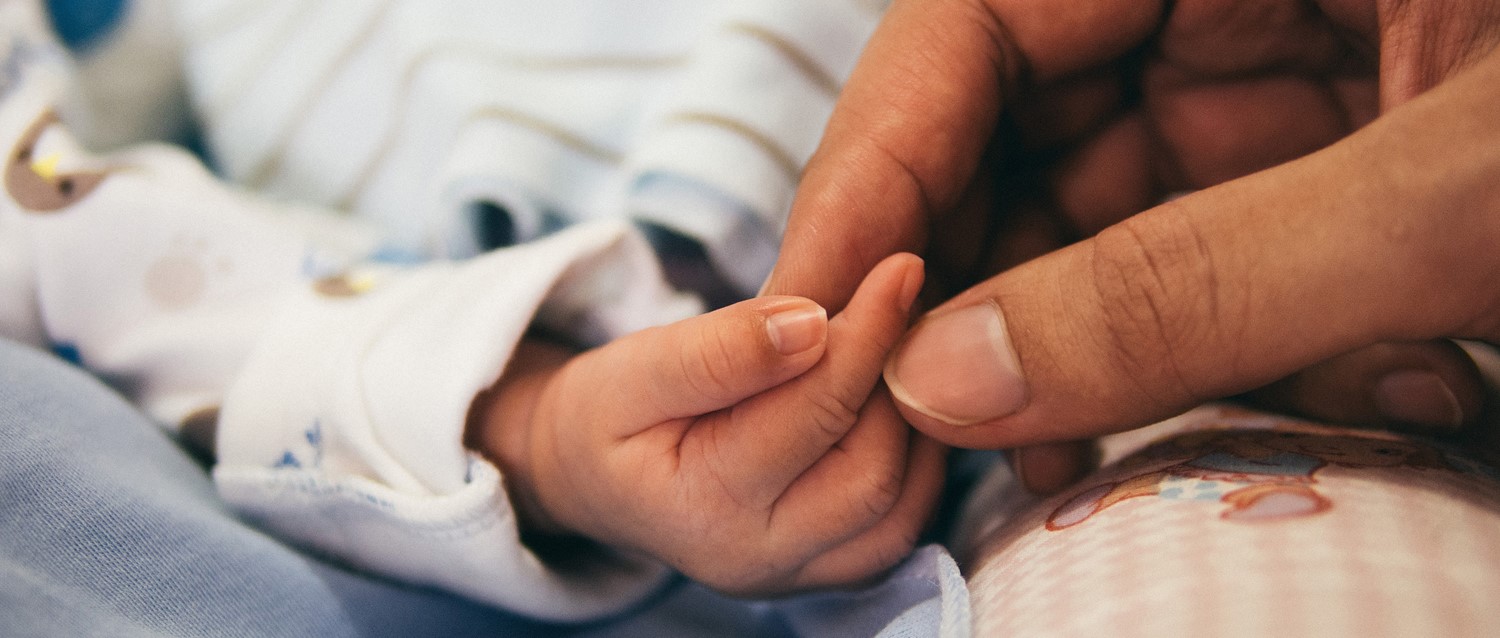
Flu vaccine in pregnancy does not lead to health problems in children
Peer reviewed by Natalie HealeyAuthored by Milly EvansOriginally published 11 Jul 2019
Meets Patient’s editorial guidelines
- DownloadDownload
- Share
- Language
- Discussion
- Audio Version
- Add to preferred sources on Google
A new study has found no link between having the flu vaccine during a pregnancy and later health problems for children.
Sign up for our free 8-week Healthy Pregnancy course!
Each week we’ll share useful information and essential tips on topics such as nutrition, exercise, mental health, symptoms to look out for, and preparing for childbirth, to help you navigate your pregnancy journey whatever stage you are at.
By subscribing you accept our Privacy Policy. You can unsubscribe at any time. We never sell your data.
The study, published in the British Medical Journal, suggests that having the flu vaccination during pregnancy does not have an impact on child health.
Pregnant mothers and their children are particularly vulnerable to serious illness during flu and seasonal epidemics. Many countries encourage all pregnant women to have the flu vaccination to protect themselves and their unborn child. However, uptake remains low due to the safety concerns of parents, despite a large body of evidence demonstrating the safety and effectiveness of the flu vaccination for newborn health.
Few studies have looked into the impact of the vaccine on older child health. In this study, researchers in Canada and the USA looked into the relation between the 2009 flu vaccination and child health outcomes in the first five years of life. Of the large study group of 104,249 children, 31,295 (30%) were born to vaccinated mothers.
The researchers found that there was no increased risk for cancer, infections, chronic diseases, hospital admissions or death for the children of vaccinated mothers. They did find that the rate of childhood gastrointestinal infections was slightly lower in children born to vaccinated mothers. They also found that childhood asthma was slightly higher in these children. However, they stress that the links between these risks and the vaccination were very small and may be due to other unaccounted factors.
The findings are consistent with similar studies and reflect the safety of the vaccination. The researchers hope that the results will reassure concerned mothers and increase uptake of the vaccination.
"Especially in this era of 'anti-vaxx' anxiety and misinformation, it is our duty to be clear: vaccination of pregnant women saves lives," they said. Further research is necessary in various settings and with different vaccine formulations to develop “the evidence base on longer-term paediatric outcomes following influenza vaccination during pregnancy."
This study was published in the British Medical Journal.
Patient picks for Flu and vaccination
Infections
How to book your flu jab before winter
Winter is coming and with it comes an increased risk of catching flu. Flu can leave many of us feeling dreadful and bedridden for days, but for some people, the effects can be more severe or even life-threatening. Getting your flu jab is the best way to protect yourself and others - and here’s how to get yours.
by Lydia Smith
Infections
Is it the flu or just a cold?
The season is upon us - it's that time of year when everyone reaches for the cold and flu medicine at the slightest hint of a cough or runny nose - but which is it, a cold, or the flu?
by Kerry Taylor-Smith
About the authorView full bio
Authored by

Milly Evans
Editor
Milly writes on a range of health topics, with a particular interest in health inequality and sexual health.
About the reviewerView full bio

Natalie Healey
Freelance journalist
BSc (Hons) Biomedical Science
She is a London-based health journalist who has been writing about science and medicine for several years. She is the former head of editorial at Patient.
Article history
Article also available in English, German, Spanish, French, Italian, Portuguese, Hindi, Hebrew, Arabic, and Swedish.
11 Jul 2019 | Originally published
Authored by:
Milly EvansPeer reviewed by
Natalie Healey
Join the conversation
Share your thoughts or experiences with others in our patient communities.

Ask, share, connect.
Browse discussions, ask questions, and share experiences across hundreds of health topics.

Feeling unwell?
Assess your symptoms online for free
Sign up to the Patient newsletter
Your weekly dose of clear, trustworthy health advice - written to help you feel informed, confident and in control.
By subscribing you accept our Privacy Policy. You can unsubscribe at any time. We never sell your data.