Do you need the meningitis vaccine?
Peer reviewed by Dr Sarah JarvisAuthored by Danny ChadburnOriginally published 24 Aug 2017
Meets Patient’s editorial guidelines
- DownloadDownload
- Share
- Language
- Discussion
- Audio Version
- Add to preferred sources on Google
If you’re in your late teens or early twenties, the chances are your doctor, school, parents, social media adverts or a load of leaflets at university have all suggested you have the meningitis vaccine - but do you really need it?
What is meningitis vaccine?
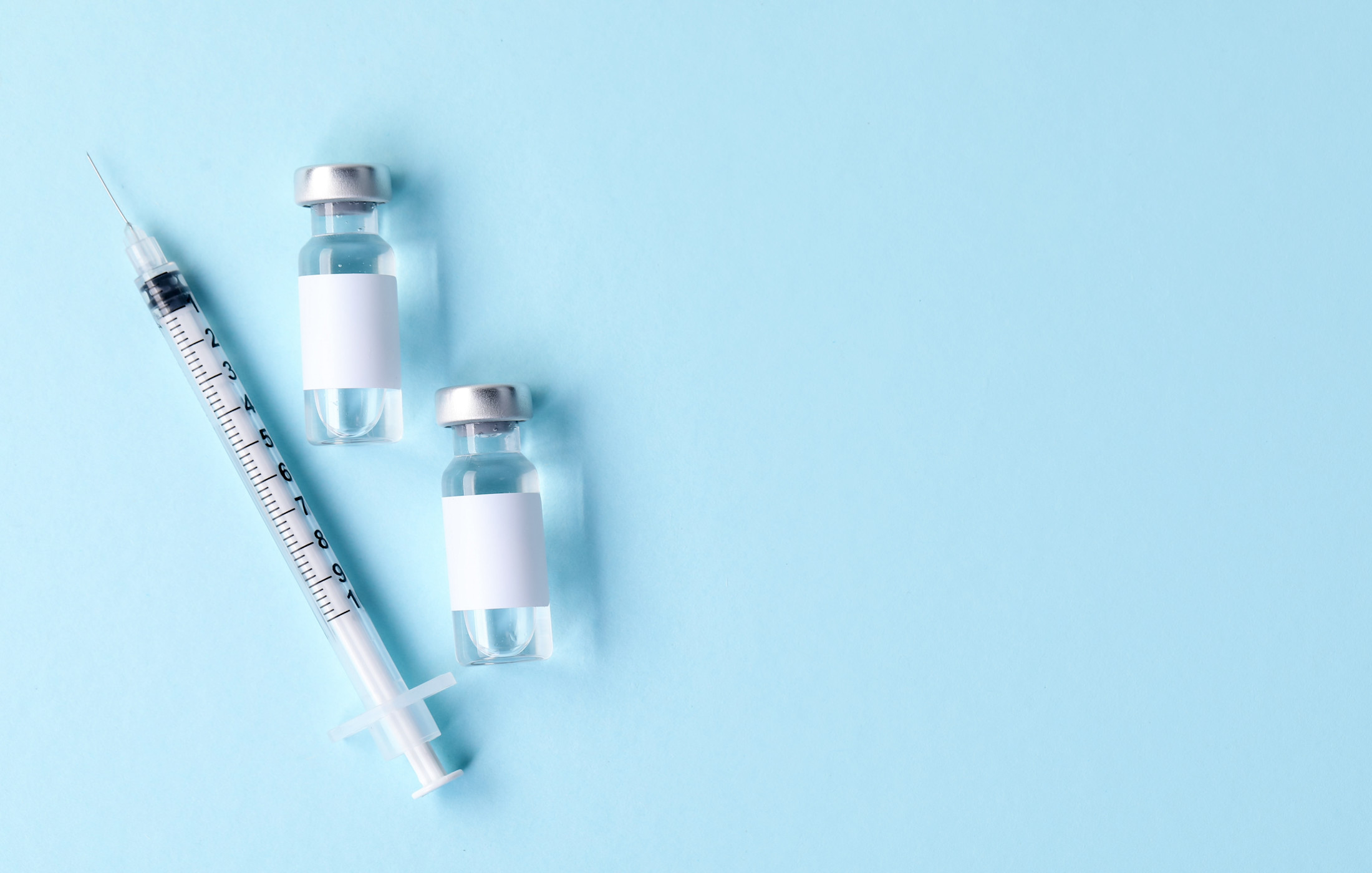
The meningitis vaccine, also known as the MenACWY vaccine, protects against four of the meningococcal strains of bacteria that cause meningitis - A, C, W and Y.
"One in ten people in the general population carry these bacteria harmlessly in the back of their nose and throat. In teens however, where activities like kissing and sharing drinks mean it gets passed around more readily, one in four people carry the bacteria - which increases the risk of passing it on," says Claire Wright, evidence and policy manager from the Meningitis Research Foundation.
How do you get meningitis?
Some elements of teen and student life increase risk of meningitis transmission. Meningitis isn't actually that easy to catch but activities that put you at risk include kissing, coughing or sneezing on someone in close proximity - such as at a gig, festival or club - drinking from the same bottle or glass, or sharing cigarettes.
If you're at university, or about to start university for the first time, you'll be mixing, maybe even living, with people from all over the country and the world, exposing your immune system to bugs it hasn't met before - this increases your risk of succumbing to them. This is why doctors particularly want teens and young adults protected against the risk by getting the meningitis vaccine.
How common is meningitis?
On average there are around 3,200 cases of bacterial meningitis a year; after babies, 16-25 year olds are the age group most affected.
Experts are currently worried about an increase in cases associated with a particularly aggressive MenW strain, called ST-11 - in 2009/10 there were only 22 cases in England, but this went up to 210 cases in 2015/16. Scarily, one in seven teenagers infected with MenW don't survive.
How to prevent meningitis
Having the meningitis vaccine doesn't just protect you. Because teens and young adults are the biggest carriers of meningococcal bacteria, they are also the ones most likely to spread it. "What we have found, therefore, is that vaccinating teens against a strain of meningitis bacteria causes rates of infection for that strain to drop in everyone," says Wright. "When the government started vaccinating teens against meningitis C in 1999, rates fell across the whole population."
However, in 2016 only 33% of eligible people had the ACWY meningitis vaccine so this 'herd protection' is not as good as it could be.
How to get the meningitis vaccine
How and when you get the meningitis vaccine depends on your age. Claire Donovan, head of information and research at Meningitis Now says, "If you're 14 or younger, the meningitis vaccine will be offered to you at school at the same time as your booster dose for tetanus, diphtheria or polio. A catch-up programme offers the vaccine to those up to 18 years of age."
When and where you'll be offered this catch-up depends on your age and where you live. School leavers, for example, are being offered the meningitis vaccine through their GP and will be invited to attend their surgery or an injection site. Donovan says, "First-year university students under the age of 25 are also eligible for the meningitis vaccine but should contact their GP to make an appointment."
If you were born after 1 September 1996 and missed the meningitis vaccine at school for any reason, you are entitled to the jab as a part of the NHS vaccination programme; you can take advantage of this up to the age of 25.
How to spot symptoms of meningitis
Even if you have the meningitis jab, "it doesn't cover all strains of meningitis nor is every vaccine 100% effective," says Donovan. "To protect yourself and your friends it's still important to be aware of symptoms of meningitis."
Meningitis symptoms include:
Fever.
Vomiting.
Drowsiness.
Stiff neck.
Severe headache.
A dislike of bright lights.
Pale blotchy skin with spots or a rash - don't wait for a rash before seeking help, as this can be a late sign, or may not appear at all
If you notice any meningitis symptoms, call your GP or go to A&E immediately. If meningitis is suspected you will be given antibiotics to fight the disease - the earlier these are given the better. In some cases, people in close contact with you might also be offered antibiotics to reduce risk of infection.
Meningitis is often successfully treated - but it can take a while to recover from it. It seems the best cure really is prevention, so start thinking about getting the meningitis vaccine before going to uni.
Patient picks for Meningitis and sepsis

Infections
Sepsis warning signs you need to know
Sepsis is a reaction by the body to severe infection with a bacterial, viral or fungal germ. It's always a medical emergency, and can be fatal if not caught early. You can arm yourself against this by knowing the symptoms so you can seek help early.
by Victoria Raw

Infections
Should you and your family get the meningitis vaccination?
Meningitis is a serious condition, but it is not caused by one bug - bacteria, viruses and even fungi can lead to infection. Thankfully, there are meningitis vaccinations available.
by Danny Chadburn
About the author
Authored by

Danny Chadburn
Head of Content
Danny was the previous Head of Content at Patient.
About the reviewerView full bio

Dr Sarah Jarvis
Clinical Consultant
MA (Cantab), BM, BCh (Oxon), DRCOG, FRCGP, MBE
After training in medicine at Cambridge and Oxford, Dr Sarah Jarvis MBE became a GP.
Join the conversation
Share your thoughts or experiences with others in our patient communities.

Ask, share, connect.
Browse discussions, ask questions, and share experiences across hundreds of health topics.

Feeling unwell?
Assess your symptoms online for free
Sign up to the Patient newsletter
Your weekly dose of clear, trustworthy health advice - written to help you feel informed, confident and in control.
By subscribing you accept our Privacy Policy. You can unsubscribe at any time. We never sell your data.