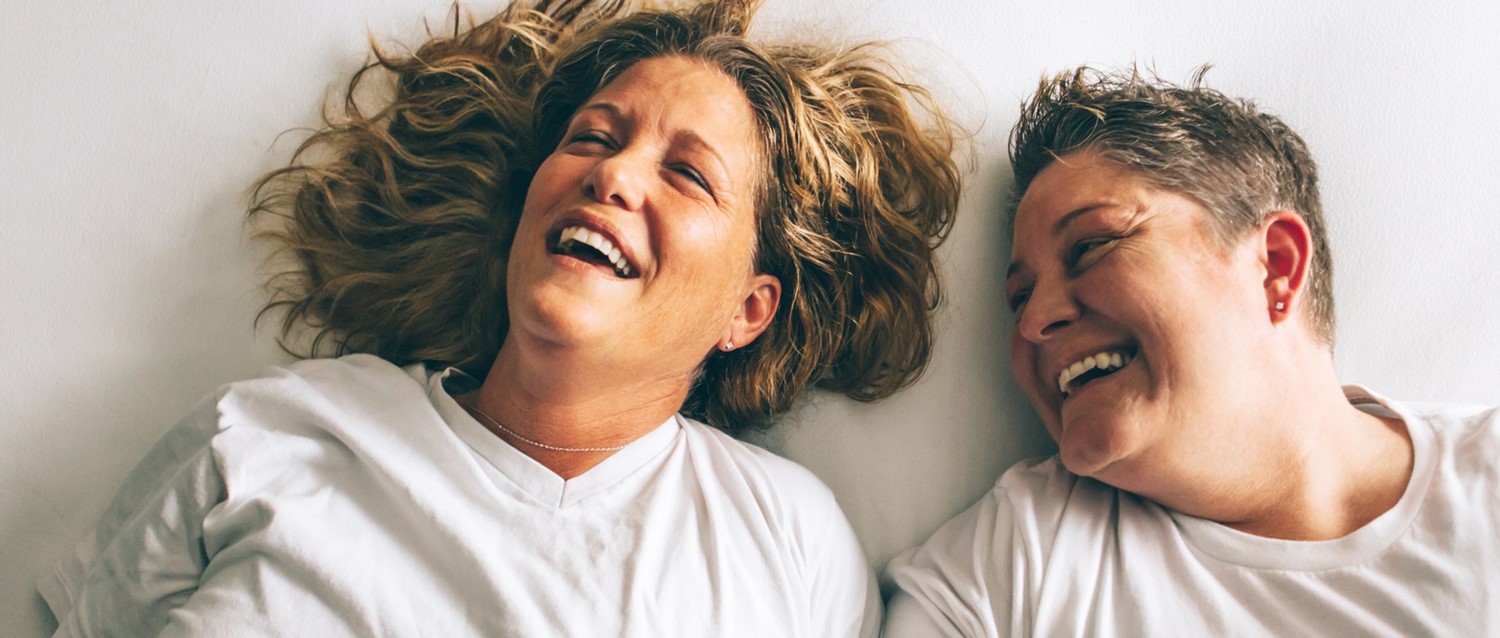
How to support someone during the menopause
Peer reviewed by Dr Krishna Vakharia, MRCGPAuthored by Lydia SmithOriginally published 13 Jul 2023
Meets Patient’s editorial guidelines
- DownloadDownload
- Share
- Language
- Discussion
- Audio Version
- Add to preferred sources on Google
From hot flushes to night sweats and mood swings, the menopause can be a very challenging time. But many people close to the person going through the menopause do not know how best to support them. Here we look at what you can do to help a partner, friend or relative cope with the menopause.
Sign up for our free 10-week Menopause course!
Each week, we'll explore different topics to help you better understand and navigate your menopausal journey, including HRT, diet, exercise, and mental health.
By subscribing you accept our Privacy Policy. You can unsubscribe at any time. We never sell your data.
Menopause is when your periods stop due to lower hormone levels. This usually happens between the ages of 45 and 55, although it can happen earlier. Perimenopause is when you have symptoms before your periods stop.
Menopause and perimenopause can cause a variety of mental and emotional symptoms, like mood swings, anxiety, low self-esteem and problems with memory or concentration (brain fog). Common physical symptoms include hot flushes, difficulty sleeping, palpitations, headaches, migraines, aches and pains, dry skin, reduced sex drive, vaginal dryness, and urinary tract infections (UTIs).
Although three quarters of women experience some or all of these symptoms1 - and one quarter say they are severe - research suggests many partners don’t know how best to support them2.
Jane, 57, says she felt uncomfortable working in an office environment when she went through the menopause as she struggled with hot flushes, but didn't feel like she could speak to her manager about it. She also felt exhausted as she couldn't sleep, which made work and socialising more difficult.
"I felt like I just wanted to hide at home, where I could open the windows and relax without worrying about what people were thinking," she says. "When I finally chatted to friends about my symptoms, I realised I wasn't the only one struggling - and it really helped me. I felt like I didn't have to cover up what I was going through."
Holli Rubin, a psychotherapist who is head of multi-disciplinary therapies at private mental health clinic The Soke, says the symptoms can have a significant impact on your life, including your relationships and work.
“The psychological impacts of those symptoms often affect confidence, self-esteem and whether women feel able to show up at work or to social events,” she says. However, the right support - and interventions to ease symptoms - can make a big difference.
What you can do to support a partner, friend or relative as they go through the menopause?
Provide a safe space for them to talk
Despite the majority of women experiencing symptoms of menopause, many feel unable to talk about their experiences due to stigma or embarrassment, so they struggle in silence3.
“In order to best support women going through the menopause, it's important to start conversations and provide a space to talk,” says Rubin. Although talking about night sweats and hot flushes won’t stop them from happening, sharing a problem with someone you trust can often lessen its emotional impact.
“It’s also important to check in regularly to see how they are and what further support they need,” she adds.
Help with everyday tasks
Some symptoms, such as memory issues or brain fog, can make day-to-day tasks more difficult. “Offering to carry out basic tasks, such as preparing food or doing household chores, can give someone more time to rest and provide much-needed breaks from their regular daily responsibilities,” says Rubin.
Help them make lifestyle adjustments
Exercise and good nutrition can help to ease menopause symptoms and improve mood. You can support your loved one in making healthy changes by doing it together. It can be daunting to join a gym, but joining your partner or friend for an exercise class can make it more fun for the both of you.
You could try stress-relieving activities such as yoga or meditation, or go on regular walks together.
Make practical changes
If your partner is struggling with hot flushes or night sweats, putting a fan in the bedroom may help keep them more comfortable. It may help to suggest other small changes, like swapping to thinner bed sheets, turning down the thermostat or opening the windows at night.
Be reassuring and understanding
Menopause marks the end of menstruation and fertility, which can be psychologically difficult to accept. As hormone levels decrease, your partner’s sex drive may drop and their body may change shape. These changes can be difficult to cope with and trigger negative emotions, so support your partner by giving them compliments and reassurance. Be understanding if they are less interested in sex, or are struggling emotionally.
Help them find professional support
It can be hard to know who to turn to for advice and support when you’re experiencing symptoms of the menopause. Encourage your partner or friend to see their GP to find out information about treatments such as Hormone Replacement Therapy, which can help with menopausal symptoms. Offer to go with them to an appointment if they think it will help.
There are also menopause specialists who have experience in supporting anyone going through perimenopause and menopause. Charities offering information and support include Women’s Health Concern and Menopause Matters.
The Daisy Network provides support for people going through early menopause and Queermenopause provides resources for people who identify as LGBTQ+.
Further reading
Patient picks for Menopause and HRT

Hormones
What's behind the HRT shortage in the UK?
Women across the UK are struggling to get hold of their hormone replacement therapy prescriptions due to ongoing manufacturing and supply issues.
by Milly Evans

Hormones
New insight into breast cancer risk after stopping HRT
A new analysis of the existing evidence has found a link between hormone replacement therapy (HRT) and breast cancer. Women's health organisations have said that this is not new evidence but should be used to help women make a decision about menopause treatment.
by Milly Evans
About the authorView full bio
Authored by

Lydia Smith
Feature writer
BA, MA, MSc
Lydia Smith is an award-winning journalist and feature writer who has written extensively on women's health and mental health. She is currently studying for an MSc in psychology.
About the reviewerView full bio

Dr Krishna Vakharia, MRCGP
Chief Medical Officer for Health, Optum UK
MBChB, MRCGP(2013), BMedSci (hons), DFSRH, DRCOG, PGDipDerm (Distn)
Dr Krishna Vakharia is an NHS GP. She is also a regular examiner for the postgraduate Diploma in Practical Dermatology at Cardiff University as well as being the Chief Medical Officer for health at Optum UK.
Article history
Article also available in English, German, Spanish, French, Italian, Portuguese, Hindi, Hebrew, Arabic, and Swedish.
Next review due: 13 Jul 2026
13 Jul 2023 | Originally published
Authored by:
Lydia SmithPeer reviewed by
Dr Krishna Vakharia, MRCGP
Join the conversation
Share your thoughts or experiences with others in our patient communities.

Ask, share, connect.
Browse discussions, ask questions, and share experiences across hundreds of health topics.

Feeling unwell?
Assess your symptoms online for free
Sign up to the Patient newsletter
Your weekly dose of clear, trustworthy health advice - written to help you feel informed, confident and in control.
By subscribing you accept our Privacy Policy. You can unsubscribe at any time. We never sell your data.