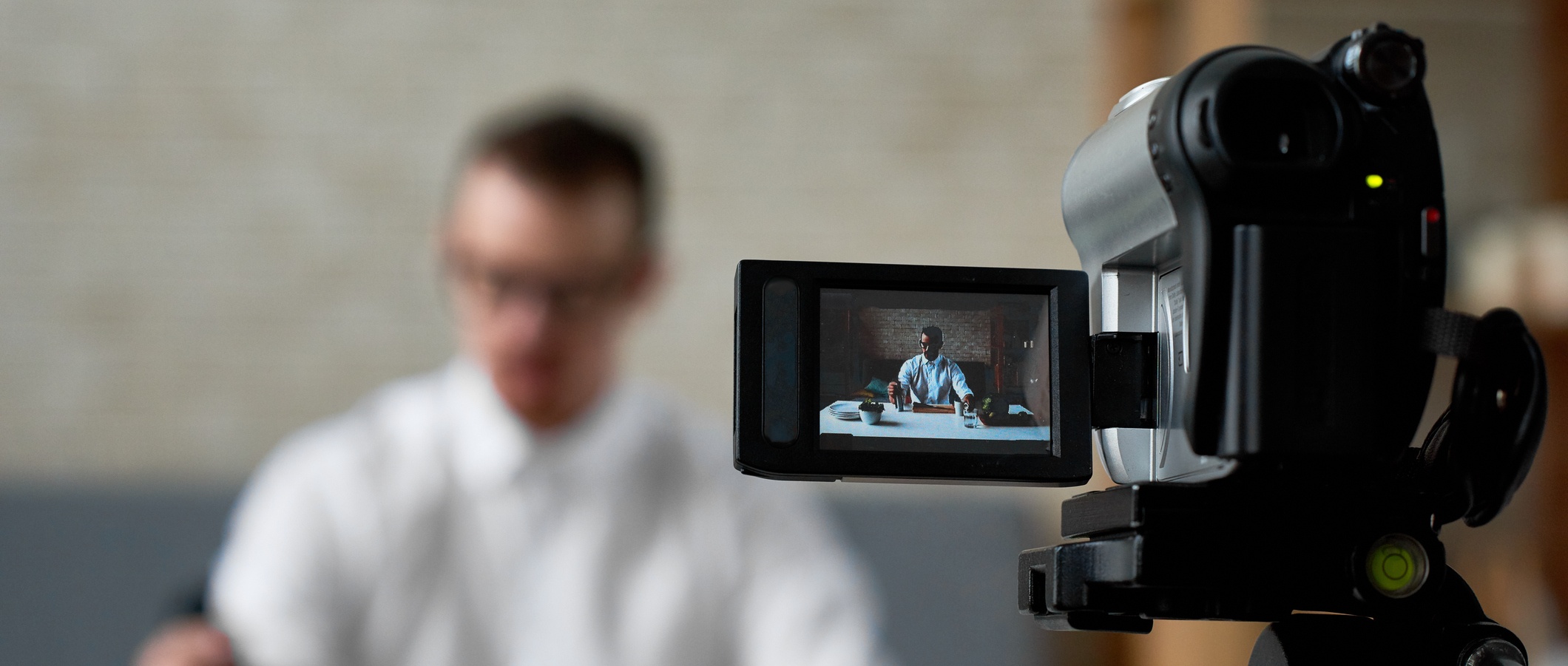
Have TV chefs given us high cholesterol?
Peer reviewed by Dr Sarah JarvisAuthored by Danny ChadburnOriginally published 21 Sept 2017
Meets Patient’s editorial guidelines
- DownloadDownload
- Share
- Language
- Discussion
- Audio Version
- Add to preferred sources on Google
We love our TV cookery shows, but are all those indulgent recipes influencing unhealthy eating and pushing up our cholesterol levels?
Research published in The British Medical Journal in 2012 found that TV chefs’ recipes contained 'significantly more energy, protein, fat, saturated fat and less fibre per portion’ than supermarket ready meals.
None of the recipes complied with dietary guidelines published by the World Health Organization (WHO) and the UK Food Standards Agency (FSA) either.
Are TV chefs to blame?
‘Many cookery programmes have little regard to healthy eating, and use sources of saturated fat - butter, ghee, coconut oil, suet and cream - with abandon,’ says Linda Main, dietetic advisor for cholesterol charity Heart UK. ‘We don’t know to what extent people are replicating these cooking techniques, but it’s a great shame that more celebrity chefs don’t champion healthy eating habits more often.’
TV chef Hugh Fearnly-Whittingstall agrees that cookery programmes do have a responsibility to their viewers. ‘Good food, and a healthy diet, is about variety and balance. I think those of us who cook on television and publish cookbooks should uphold those fundamental pillars of sound nutrition,’ he wrote in a column for The Guardian.
But he added that TV chefs should not be counting calories in every recipe, or trying to reduce fat wherever they could. ‘Deliciousness, originality and excitement are what we’re striving for. The balance comes in offering readers and viewers a tempting cross-section of all kinds of dishes,’ he says.
What about portion sizes?
Even if you haven’t seen it, you’ll have heard about Man v. Food, the programme where host Adam Richman tries to complete extreme eating challenges such as a 30 lb pizza - no wonder our idea of what a healthy portion looks like is being distorted by what we see on TV.
In fact, a study by the University of Leuven, Belgium, in 2017 discovered that children who watched a cookery show ate one and a half times as much afterwards as those who watched a gardening programme. ‘Food cues in TV cooking shows stimulate consumption by inducing food cravings in children,’ concluded the researchers.
The danger is that eating habits learned as a child continue to have an influence when we’re adults, so we can set up a pattern of overeating for life.
Other factors have also influenced the growth in portion sizes. Main says, ‘People eat out more, partly due to higher incomes and more two-income households, and the growth in the restaurant industry. Pricing and offers, such as two-for-one deals, also influence food choice. Plus, many restaurants serve large portions at low cost as a marketing strategy.’
What impact has this had on cholesterol levels?
Despite the boom in cookery programmes, total cholesterol levels are not actually rising in the UK. ‘The trend has been downward and is more or less static now,’ says Main. ‘This could be because we’re eating less saturated fat, because of the numbers of people taking statins, or perhaps we’re all eating a little healthier - including foods fortified with plant sterols and stanols.’
It's also possible that stable total cholesterol levels could hide dropping levels of 'good' HDL cholesterol, which protects against heart disease.
However, high cholesterol is not purely related to diet; it’s caused by a number of triggers from your genes to your environment, such as diet and lifestyle. High cholesterol levels raise your risk of developing cardiovascular disease, so it’s always worth making sure your cholesterol levels are within healthy limits.
Other risk factors for cardiovascular disease include high blood pressure, Type 2 diabetes, smoking, ethnicity, gender and age. ‘It’s the combination of these that determines your overall risk,’ says Main. ‘So someone with high cholesterol who’s also a smoker will be at high lifetime risk of cardiovascular disease at an early age.’
Talk to your GP if you are worried about your cholesterol, or if you want help quitting smoking or losing weight.
The future of TV cookery programmes
The good news is that more TV shows now include healthy recipes; Great British Bake Off judge Prue Leith has called for contestants to use less fat and sugar, while Jamie Oliver’s Super Food programmes have focused on healthy ingredients. The trick is to make sure you’re watching a mixture of cookery shows for inspiration; many of them are pure entertainment, and should - quite literally - be taken with a pinch of salt.
Main says, ‘There are definitely some chefs that are better than others in their focus on health, although even these chefs will cook less healthy, more indulgent, foods from time to time. But that’s fine because healthy eating really is all about balance.’
Patient picks for High cholesterol
Heart health and blood vessels
Does your wedding menu cater for low cholesterol diets?
Gluten-free, dairy-intolerant, peanut allergies - you always need to think about your guests' dietary requirements when organising the food for a special event, so why not include some options for those who may be watching their blood pressure and following a low-cholesterol diet at your wedding?
by Danny Chadburn
Heart health and blood vessels
How to shop for a low cholesterol diet
Doing the weekly shop when you're not sure what to put in your trolley can be tricky - especially when branding and confusing food labels can make it hard to tell what's healthy and what's not. If you have high cholesterol, this can be a particular struggle. But you can turn detective and hunt out the healthy options with our guide to food shopping for a low cholesterol diet.
by Amberley Davis
About the author
Authored by

Danny Chadburn
Head of Content
Danny was the previous Head of Content at Patient.
About the reviewerView full bio

Dr Sarah Jarvis
Clinical Consultant
MA (Cantab), BM, BCh (Oxon), DRCOG, FRCGP, MBE
After training in medicine at Cambridge and Oxford, Dr Sarah Jarvis MBE became a GP.
Join the conversation
Share your thoughts or experiences with others in our patient communities.

Ask, share, connect.
Browse discussions, ask questions, and share experiences across hundreds of health topics.

Feeling unwell?
Assess your symptoms online for free
Sign up to the Patient newsletter
Your weekly dose of clear, trustworthy health advice - written to help you feel informed, confident and in control.
By subscribing you accept our Privacy Policy. You can unsubscribe at any time. We never sell your data.