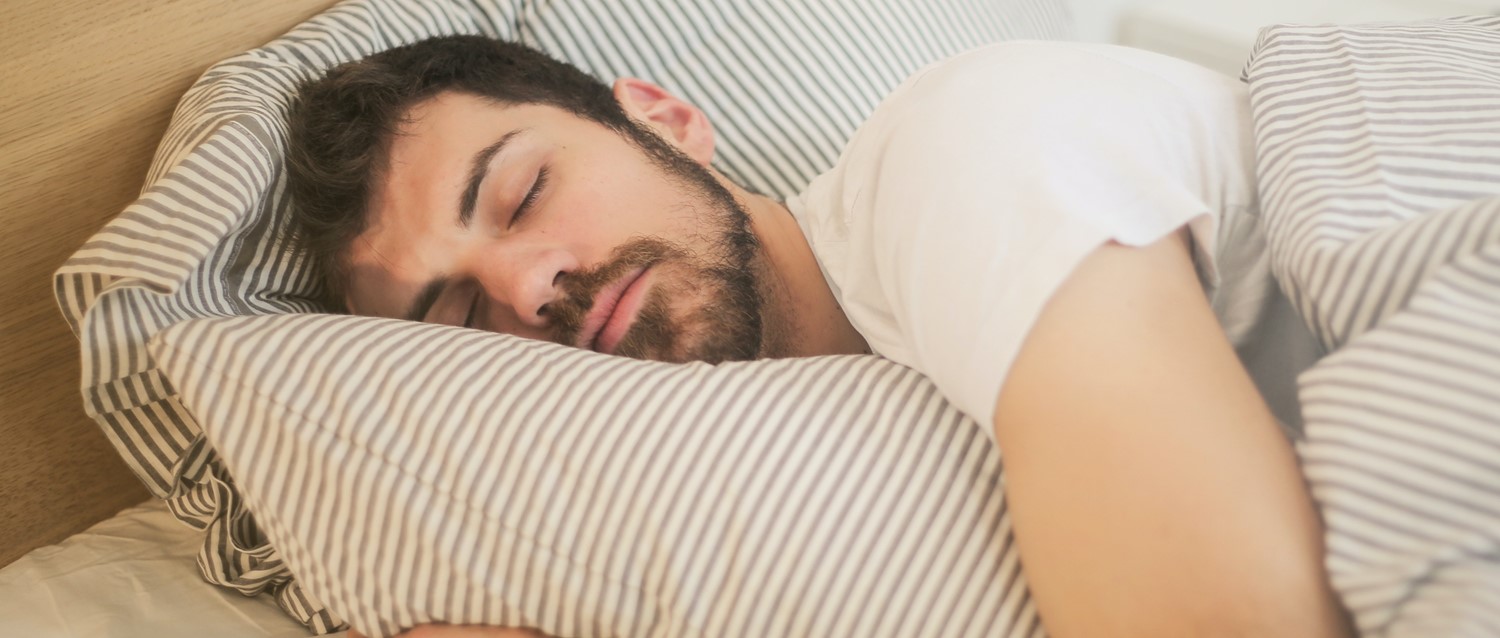
Is sleep apnoea dangerous? When snoring problems turn serious
Peer reviewed by Dr Krishna Vakharia, MRCGPLast updated by Victoria RawLast updated 21 Aug 2024
Meets Patient’s editorial guidelines
- DownloadDownload
- Share
- Language
- Discussion
- Audio Version
From grunts to loud snorts, 1 in 4 of us are in the habit of snoring as we sleep. Snoring on its own is usually nothing to worry about, but for some people, it is the main symptom of obstructive sleep apnoea. This is a breathing condition connected to sleep that can have some serious consequences if it's left untreated.
In this article:
Video picks for Sleep and insomnia
Continue reading below
Is snoring bad for you?
Snoring is a common phenomenon that happens in around 6 out of 10 adult men and 4 out of ten adult women, according to the Sleep Foundation. It is estimated that one quarter of these people that snore, do so on a regular basis.
If you are prone to loud snoring, it's possible that it disrupts your quality of sleep and also the sleep of those you share a bed (or house) with.
"Snoring is caused by relaxation of the smooth muscle in the back of the throat," explains Dr Deborah Lee at Dr Fox Online Pharmacy. "This allows the soft tissues to reverberate as you breathe in and out."
The resultant tell-tale sounds can range from barely audible to heavy and loud snoring. In terms of your health, snoring itself is not bad for you.
However, sometimes snoring is a sign of obstructive sleep apnoea syndrome (OSAS). Known simply as sleep apnoea, OSA is a condition where breathing becomes restricted while you sleep.
How do you know if you have sleep apnoea?
Back to contentsUp to 9% of adults have obstructive sleep apnoea - a relatively small percentage compared to the number of regular snorers.
There are ways to tell regular snoring and sleep apnoea apart. While regular snoring is due noise produced by vibrations, sleep apnoea is due to a physical blockage that can restrict breathing. This obstruction happens when your throat muscles become so relaxed during sleep that your upper airway narrows or completely closes.
Apnoea and hypopnoea
"During sleep, there can be repeated episodes where you take a prolonged pause - often 10 to 30 seconds - before starting to breathe spontaneously again," says Lee.
Each pause is known as an apnoea episode. When this happens, your blood oxygen level drops and this is detected by the brain. Your brain then signals to you to wake up and to take a few deep breaths, often accompanied by an extra loud snore or snort.
"In severe cases, hypopnoea happens when your airway is 50% blocked for 10 seconds or longer," adds Lee. People often experience these periods of reduced airflow alongside apnoea episodes.
Sleep apnoea symptoms
As sleep apnoea happens while you sleep, the most direct symptoms are usually spotted by a partner - or a parent of a child with sleep apnoea.
Signs of sleep apnoea while you sleep:
Loud snoring.
Periods of quiet where breathing has stopped, followed by:
An abrupt choking/snorting sound.
Briefly waking up (which you may not remember) before falling straight back to sleep.
Night sweats (less common).
Signs of sleep apnoea that you may notice during the day:
Feeling constantly sleepy - a crucial distinction here is feeling tired regardless of the time you've spent asleep, as it is the quality and not the quantity of sleep that is the issue.
Poor concentration.
Not feeling refreshed on waking.
Morning headaches.
Feeling depressed.
Falling asleep during the day.
Needing to pass urine frequently during the night.
A reduced sex drive (libido).
Is it sleep apnoea or regular snoring?
You may not experience all the above sleep apnoea symptoms, but if several of them are negatively impacting your life then it may be worth visiting your doctor to get tested. It's also particularly useful if you share a bed with someone who can see what happens while you sleep.
Frequent occurrence of apnoea and hypopnoea sets sleep apnoea apart from a regular snoring problem. However, this happens to many of us now and again.
When to see a doctor
For a diagnosis of sleep apnoea, you need to have at least five episodes of apnoea, hypopnoea, or both events per hour of sleep. The different severity levels are classified as follows:
Mild sleep apnoea - between 5-14 episodes an hour.
Moderate sleep apnoea - between 15-30 episodes an hour.
Severe sleep apnoea - more than 30 episodes an hour.
Risk factors for sleep apnoea
Sleep apnoea can happen at any age, including in children. However, it is most common in middle-aged men who are overweight or have obesity, although it can affect people who are not overweight.
Other risk factors include:
Being male - because men have a different fat distribution than women.
Older age - over 40 years.
Having a large neck measurement.
Drinking alcohol.
Enlarged tonsils.
Taking sleeping pills.
Sleeping on your back.
Menopause - oestrogen deficiency lowers muscle tone in the oesophageal tissues.
These all increase your chance of developing sleep apnoea because they can cause the throat to narrow. Also a family history of OSA is present in up to 40% of cases.
Continue reading below
Is sleep apnoea dangerous?
Back to contentsTiredness
You may not think of tiredness as particularly dangerous, but in severe cases of sleep apnoea this can cause mental health issues or may lead you to fall asleep during the day. If you're driving, operating heavy machinery, or engaging in other potentially hazardous activities, the consequences can be serious and even lethal. For example, drivers with sleep apnoea have a 7-12% increased risk of having a car crash.
Physical health conditions
Sleep apnoea is also associated with several cardiovascular conditions - affecting the heart and blood vessels - and as a result a higher mortality rate.
"This is thought to be because breathing through an obstructed airway can result in hypoxia - relatively low levels of oxygen in the bloodstream," adds Lee.
Obstructive sleep apnoea is linked to high blood sugar levels and a chance of developing of type 2 diabetes. Also, many people with sleep apnoea are also have obesity, further increasing their likelihood developing these conditions.
"There is a direct correlation between obesity and obstructive sleep apnoea. This is due to the deposition of fat around the neck and upper airways, and relative muscle weakness that develops in this area of the body. People with obesity are twice as likely to have poor sleep as those of a healthy weight," says Lee.
According to Lee, having sleep apnoea increases your risk of the following medical conditions:
Hypoxia - accelerates the deposition of fatty plaques in the arterial wall (atherosclerosis) which is the main cause of cardiovascular disease.
Inflammation - which underpins many of the long-term diseases we see today.
High blood pressure (hypertension) - around half of the people with sleep apnoea have high blood pressure. This may be because a rise in blood pressure is stimulated by intermittent low oxygen levels, and stress on the sympathetic nervous system.
Heart failure - due to cellular enlargement (hypertrophy) and weakening of the ability of the heart to pump blood efficiently around the circulation.
Heart attack - due to increased tendency to blood clotting. If a clot blocks one of the arteries supplying blood to the heart muscle, the result is a heart attack.
Stroke - due to increased propensity of blood to clot, with the potential to block blood supply to part of the brain.
Problems with blood sugar regulation and type 2 diabetes - many studies show a link that's independent of obesity.
Abnormal heart rhythm (arrhythmia) - may be precipitated by low oxygen levels and worsened by negative pressure in the heart chamber when struggling to breathe.
High blood fat levels (hyperlipidemia) and high cholesterol.
Gastro-oesophageal reflux disease (GORD) - the sudden indrawing of the chest to take a breath, especially when lying down, can force acidic stomach contents to reflux up into the oesophagus.
Glucose intolerance - as obstructive sleep apnoea disrupts insulin resistance.
Parkinson’s disease - as obstructive sleep apnoea may facilitate neurodegeneration due to oxidative stress.
Mental health conditions
Experts have also found a correlation between sleep apnoea, depression, and anxiety. In one study, depressive symptoms were found in around one half of participants living with obstructive sleep apnoea, and anxiety symptoms in more than half. Although this association isn't fully understood, it's likely that the lack of good-quality sleep caused by obstructive sleep apnoea plays a key role.
What helps sleep apnoea?
Back to contentsDoes losing weight help sleep apnoea?
The treatment options for sleep apnoea can effectively manage the condition and improve your quality of life. This includes general lifestyle measures such as:
Losing weight - if you're overweight.
Not drinking alcohol in the evening.
Stopping smoking.
Sleeping on your side.
Can a humidifier help sleep apnoea?
If these measures aren’t enough, your doctor may recommend using a continuous positive airway pressure (CPAP) machine. This involves wearing a mask as you sleep to pump air into your nose, keeping your throat open. Surgery is also an option in certain cases, although this isn't often carried out in adults.
Patient picks for Sleep and insomnia
Healthy living
What causes sleep paralysis?
Sleep paralysis, where you wake up unable to move for a short time, is relatively common but it can be incredibly distressing. So what can you do to reduce the chances of it happening? And what can it tell you about your health?
by Elizabeth Sulis Kim

Healthy living
Is getting a sleep divorce the key to better rest?
A sleep divorce is when two people who usually share a bed mutually decide to sleep separately to safeguard the quality of their rest. While it’s not for everyone, some find it’s the best solution if their health is impacted due to disrupted sleep. We dive into what a sleep divorce really involves, the potential health benefits, and the best ways to make it work. Ultimately, it’s up to you to decide whether the effects of better sleep outweigh the cost of sleeping apart from your partner.
by Victoria Raw
Continue reading below
Article history
The information on this page is peer reviewed by qualified clinicians.
Next review due: 22 Aug 2027
21 Aug 2024 | Latest version
11 Mar 2022 | Originally published
Authored by:
Amberley Davis

Ask, share, connect.
Browse discussions, ask questions, and share experiences across hundreds of health topics.

Feeling unwell?
Assess your symptoms online for free
Sign up to the Patient newsletter
Your weekly dose of clear, trustworthy health advice - written to help you feel informed, confident and in control.
By subscribing you accept our Privacy Policy. You can unsubscribe at any time. We never sell your data.