What is rucking and is it right for you?
Peer reviewed by Dr Jim Forrer, MRCGPAuthored by Victoria RawOriginally published 20 Mar 2025
Meets Patient’s editorial guidelines
- DownloadDownload
- Share
- Language
- Discussion
- Audio Version
- Add to preferred sources on Google
It's well known that a brisk walk benefits your health, but if you want to take your walking routine up a notch, you might be interested in rucking. In this guide, we’ll break down what rucking is, explore its health benefits, and help you decide if it’s the right fit for you.
What is rucking?
Rucking is a straightforward activity that involves walking or hiking while carrying a weighted backpack. When done correctly, it's designed to enhance your posture, stability, and overall physical endurance.
Mari-Carmen Sanchez-Morris, The FIT MAMA Way, is a former nurse, and women's health and fitness coach, on the Register of Exercise Professionals (REPS), based in Leamington-Spa, UK. She explains that rucking provides a full-body workout, particularly targeting your core, back, and legs. This is because carrying weight requires you to stay balanced and maintain proper alignment.
"Rucking also helps you stand taller and take controlled steps, which keeps you from getting hurt and makes the workout more effective," she adds. "The weight is positioned close to your body’s centre of gravity, which boosts muscle engagement and gets your heart rate up."
Sanchez-Morris says that rucking is an excellent low-impact exercise that combines strength training and cardiovascular exercise, making it suitable for most fitness levels.
Is rucking good for you?
Rucking is a simple and effective way of exercising your heart and strengthening your muscles at the same time.
Sanchez-Morris explains that walking with a weighted backpack, increases your heart rate. Additionally, it helps build muscle strength in your legs, back, and shoulders.
"Rucking is easier on your joints compared to regular running, so you receive the same fitness benefits without the high impact," she says. "It also helps improve your posture and core stability since you have to stay balanced with the extra weight."
Rucking is a valuable exercise choice if you're seeking a low-impact workout with high rewards. It’s ideal for anyone looking to burn more calories than walking without the high-impact of exercises such as running.
"It’s also great for athletes wanting to switch up their training routine, as it simultaneously builds endurance and strength," adds Sanchez-Morris. "Beginners can get into it easily too since you can start light and gradually add more weight. If you’re new to working out or haven’t been active in a while, start light to avoid injuring yourself."
However, she warns that rucking may not be the best exercise option for everyone - especially if you're pregnant, or have back, shoulder, joint or balance issues.
How to start rucking
To safely introduce rucking into your exercise routine, progress slowly and steadily, especially in the beginning.
Sanchez-Morris suggests you start with a light weight - around 10-15 pounds (4-7 kilograms) - which is about the weight of a filled backpack or a small bag of groceries.
"This lets your body get used to the added resistance without overdoing it," she explains. "Begin with short distances - for example, one to two miles - at a comfortable walking pace."
Sanchez-Morris recommends you practice rucking once or twice a week at first to give your body time to adjust to the new routine.
"As you get more comfortable, you can gradually increase the weight by about five pounds (2 kilograms) at a time and extend the distance by half a mile every week or two," she says. "The goal is to build strength and endurance gradually while staying injury-free."
Beginners should avoid overloading their backpacks or walking too far too quickly. This can lead to back pain, and sore joints, and you could even end up injuring yourself.
Sanchez-Morris emphasises the importance of maintaining good posture while rucking. Avoid leaning forward or hunching over, as this can put unnecessary strain on your back and shoulders.
"To avoid this, keep your shoulders back, stand tall, and engage your core as you walk," she advises. "Wearing the wrong shoes is another pitfall. Make sure you’re using supportive walking or hiking shoes to keep your feet comfortable and reduce your chance of blisters or injury."
It's also vital that you warm up before each session and stay hydrated throughout your ruck.
Benefits of rucking
Rucking makes your heart work harder, as it needs to pump blood more efficiently around your body while you carry additional weight.
According to Sanchez-Morris, this not only strengthens your heart function but also helps you burn more calories than regular walking.
She adds that other health benefits of rucking include:
Stronger legs, back, shoulders and core - the added weight engages these muscles to keep you balanced and moving forward.
Increased bone density - added weights put a healthy stress on your bones, helping to increase bone density and reduce your likelihood of developing osteoporosis.
Improved posture - standing tall and engaging your core allows for more comfortable weight-bearing and improves your alignment.
"Compared to other forms of exercise, rucking is unique because it combines cardio and strength training in one go," says Sanchez-Morris. "It’s lower impact than running, which makes it easier on your joints but still effective for building endurance and burning calories. It also offers more muscle engagement than regular walking or jogging since the weight activates your upper body and core."
Can you ruck with a normal backpack?
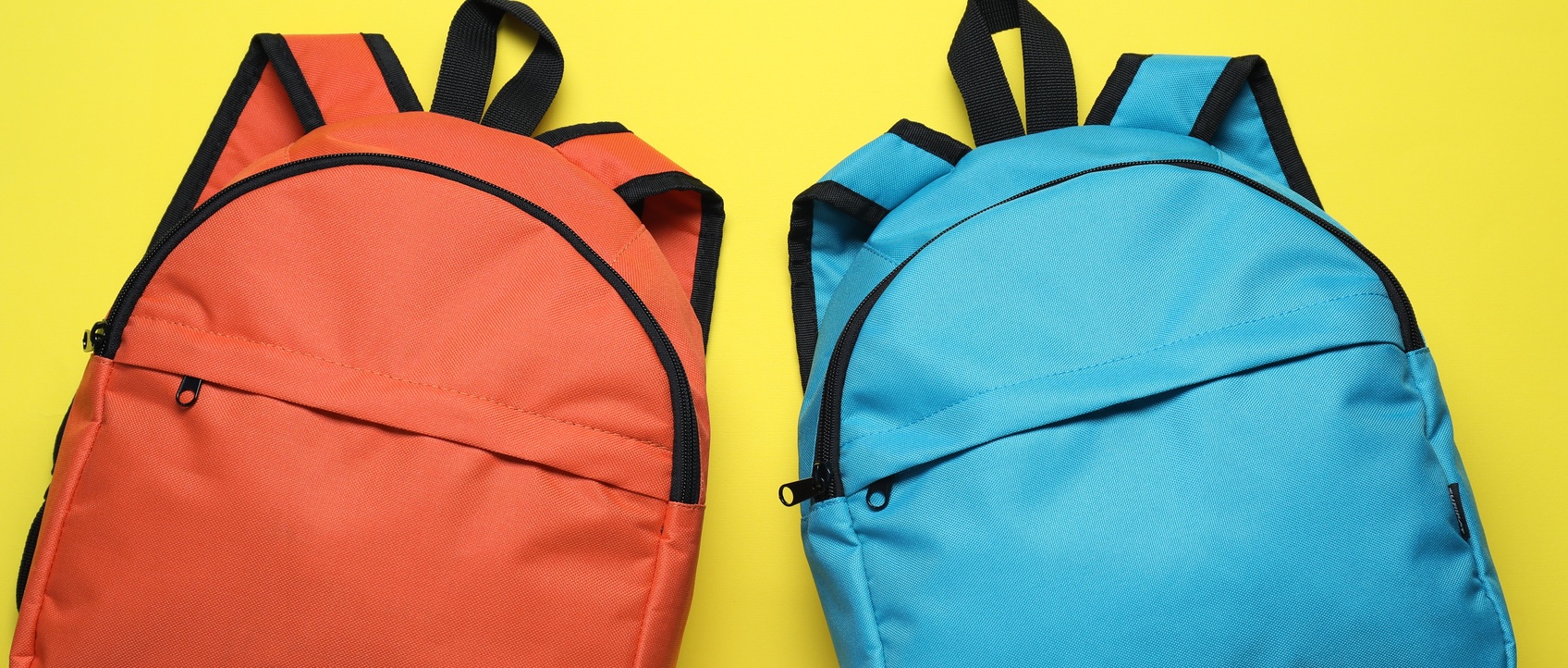
Rucking can be done with a regular backpack. However, if you're planning on making it a part of your exercise routine, investing in a rucksack specifically designed for rucking is a smart choice.
Sanchez-Morris explains that normal backpacks are fine for beginners, as long as they are sturdy and comfortable. However, the downside is that they may not distribute the weight evenly, which could cause discomfort or lead to injury.
"A good rucksack for rucking should have padded shoulder straps, a chest strap, and a waist belt to keep the pack secure and distribute the weight evenly across your back and hips," she says. "It should also be durable enough to hold heavier weights without tearing or sagging."
She adds that if you're on a budget, there's no need to strain your finances on anything expensive.
Just make sure your backpack is:
Sturdy.
Comfortable.
Has adjustable straps.
Fits securely and stays in place.
"When it comes to weight distribution, the key is to keep the heaviest part of the load high and close to your back," says Sanchez-Morris. "This will help with balance and reduce strain on your lower back.
"Placing the weight too low or far from your body’s centre of gravity can throw off your posture and make the workout harder than it needs to be. A poorly fitting pack can also cause chafing, muscle strain, or back pain. Adjust the shoulder, chest, and waist straps so the weight feels evenly distributed and secure."
In short, rucking offers a balanced workout that builds muscle and exercises your heart. It's a simple way to get fitter without the need for expensive equipment, gym memberships, or intense physical activity.
Sanchez-Morris says: "While it doesn’t provide the same level of muscle growth as heavy weightlifting or the same cardiovascular intensity as a HIIT workout, rucking strikes a great balance. It's an efficient, full-body workout suitable for all fitness levels."
Patient picks for Exercise and physical activity

Healthy living
How to work out without feeling like you're exercising
For those of us who dislike exercise, staying physically fit and healthy can be a challenge. What if you could work out without feeling like you're exercising - or taking any extra time out of your daily routine?
by Lynn Stephen
Healthy living
Is running bad for your knees?
If you're taking up running, you may be wondering if it's is bad for your knees. In fact, this cardiovascular exercise can help to keep your knees and other joints healthy. The key is not to put more stress on your knees than your body can handle.
by Victoria Raw
About the authorView full bio

Victoria Raw
Feature Writer
BA (Hons), English Literature
Victoria is a content writer at Patient, with special interests spanning mental wellbeing, societal trends and the impact of technology on our health.
About the reviewerView full bio

Dr Jim Forrer, MRCGP
Director of Clinical Product, Optum UK
MRCGP
Dr Jim Forrer is an NHS GP with extensive experience in various facets of healthcare.
Article history
The information on this page is peer reviewed by qualified clinicians.
Article also available in English, German, Spanish, French, Italian, Portuguese, Hindi, Hebrew, Arabic, and Swedish.
Next review due: 20 Mar 2028
20 Mar 2025 | Originally published
Authored by:
Victoria RawPeer reviewed by
Dr Jim Forrer, MRCGP
Join the conversation
Share your thoughts or experiences with others in our patient communities.

Ask, share, connect.
Browse discussions, ask questions, and share experiences across hundreds of health topics.

Feeling unwell?
Assess your symptoms online for free
Sign up to the Patient newsletter
Your weekly dose of clear, trustworthy health advice - written to help you feel informed, confident and in control.
By subscribing you accept our Privacy Policy. You can unsubscribe at any time. We never sell your data.
More in healthy living
- Blue light filters: do they really work?
- Building healthy boundaries for a fresh start to the new year
- Does apple cider vinegar help with weight loss?
- Drinking in the sun: a dangerous cocktail
- Heartburn at night: how to improve sleep quality with heartburn
- How to get into swimming safely for beginners
- How to spot the signs of gaming addiction in children
- Is Christmas music good or bad for your mental health?
- LGBTQ+ travel: how to stay safe
- Movember spotlight: black men's mental health
- Safer than cigarettes? The rise of vaping in schools
- The benefits of switching up your exercise
- The best way to get rid of a hangover
- The conditions that cause unexpected weight gain
- Trouble sleeping? The culprit may be something you ate
- What is alcohol intolerance, and what are its symptoms?
- What is somatic exercise? Exploring the mind-body connection
- Why spending time outdoors can improve your health
- Why you should take up a creative hobby this year