Natural protein verses protein powder: which is better for strength training?
Peer reviewed by Dr Sarah JarvisLast updated by Amberley DavisLast updated 27 Jan 2022
Meets Patient’s editorial guidelines
- DownloadDownload
- Share
- Language
- Discussion
- Audio Version
- Add to preferred sources on Google
Consuming enough protein is essential for building strong muscles. Protein powder shakes are not a complete replacement for natural protein sources found in your food. However, you may consider supplementing your diet and strength-training regime with protein shakes. Before you decide if this is right for you, there are several benefits and considerations to take into account.
How your body gains muscle
If your goal is to build muscle, three essential steps are to establish a strength-training fitness regime, eat a balanced diet, and ensure you're consuming the optimum quantity of protein.
Protein is a nutrient made up of essential amino acids, the important 'building blocks' of muscle tissue. Strength training causes micro-tears in your muscles, and these amino acids are then used in a process called muscle protein synthesis (MPS) to repair and increase muscle tissue.
MPS leads to stronger and larger muscles that are better adapted to the strength exercises that caused the tears. This process is the reason why both strength training and protein are crucial for building muscle.
The importance of natural protein
Your main source of protein is your diet. For peak physical fitness, eating a balanced, healthy diet that includes enough protein-rich foods and other nutrients is essential. In order to optimise muscle building, try to include a source of protein in most of your meals.
Good sources of protein in food
Lean meats - including beef, pork, and lamb.
Poultry - including chicken, turkey, and duck.
Fish - including salmon, mackerel, and tuna.
Seafood - including prawns, crab, and scallops.
Dairy products - including cheese, milk, and yoghurt (especially Greek yoghurt).
Eggs.
Nuts - including almonds, cashews, and walnuts.
Seeds - including pumpkin seeds, sesame seeds, and sunflower seeds.
Legumes and beans - including all beans, lentils, and chickpeas.
Other meat-alternative products - including tofu, tempeh, and some cereal-based products.
Vegetarians and vegans should take note that plant-based natural sources contain less protein in a given volume than animal sources. This means that the lower level of essential amino acids they contain is often used up for other bodily functions rather than in MPS.
This said, protein powder or any other form of supplementation shouldn't be fully substituted for even plant-based natural protein sources. The natural protein you get from food is essential for cell repair and growth in every part of your body.
"Natural protein sources also provide other important nutritional content too, such as fibre, vitamin C, and antioxidants," says Rachel Ball, registered British Dietetic Association (BDA) freelance dietician.
Do you need protein powder to build muscle?
This isn't to say that taking protein supplements in addition to natural protein doesn't have its benefits. The key distinction is that only certain groups may reap rewards from supplementing their diet.
Who can benefit from protein supplements?
Athletes and people who regularly strength train - for people with very high protein goals there is lots of evidence that protein supplements can help to maximise muscle gain, fat loss and exercise recovery.
People with health conditions meaning they require a high protein intake - for example, protein may improve blood sugar (glucose) levels in people with type 2 diabetes.
Older adults - optimising protein intake could help to mitigate age-related muscle loss.
Some vegetarians and vegans - most natural protein sources are animal-based and so people following a plant-based diet might wish to increase their protein intake. Ball points out that many protein supplements are suitable for a wide range of diets, including plant-based.
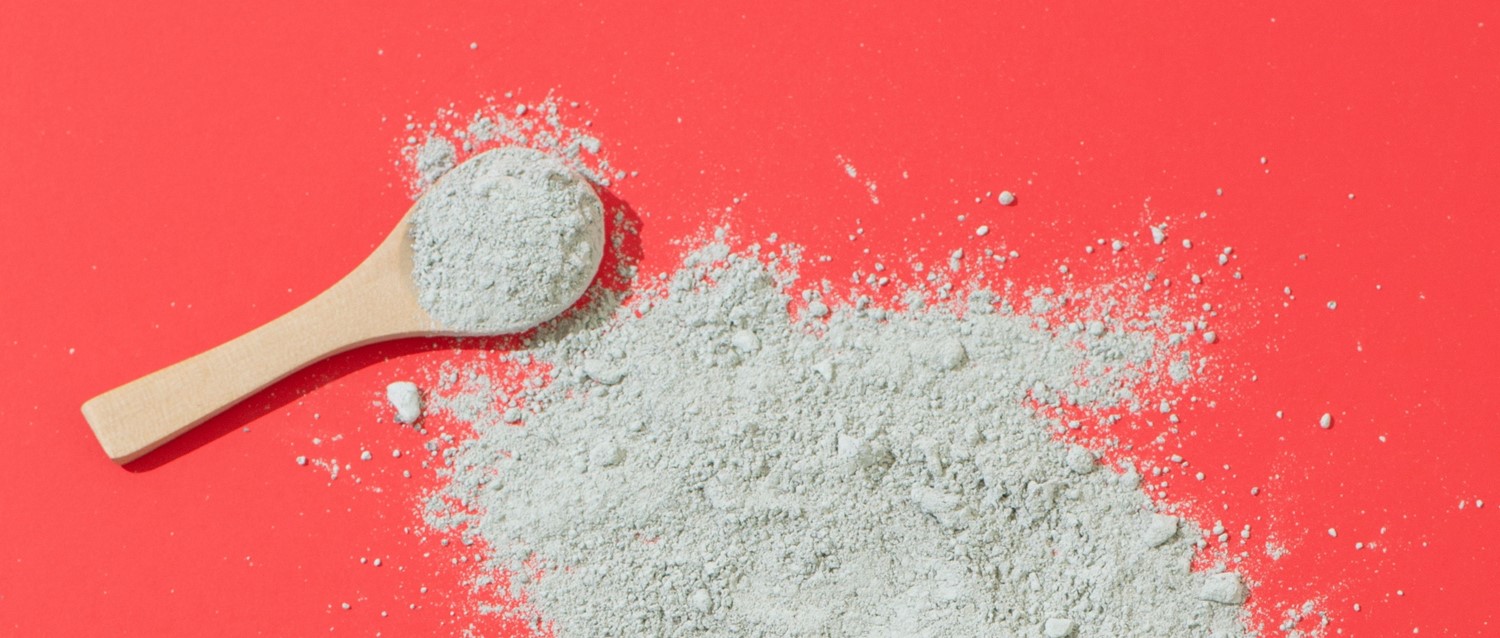
Protein powders are one of the most popular forms of protein supplementation. These powders are mixed with liquid and come in a variety of flavours, making them easy to drink.
They provide concentrated sources of protein extracted from either animal or plant foods, such as milk, eggs, soybeans, and peas. The amount of protein per scoop can vary from 10 to 30 grams.
The three common forms of protein powder
Protein concentrates - produced by extracting protein from food, using heat and acid or enzymes. These typically contain 60-80% protein, with the remaining 20-40% made up of fat and carbs.
Protein isolates - involves an additional filtering process that removes more fat and carbs. These contain around 90-95% protein.
Protein hydrolysates - includes further heating with acid or enzymes, breaking the bonds between amino acids and allowing quicker absorption into your body. Research shows that hydrolysates may raise insulin levels - an important hormone for protein muscles - more than other forms of protein, thereby enhancing muscle growth.
Protein powder pros and cons
Experts generally agree that protein powders can support strength training. Whey protein, for example, is the most commonly used and most effective powder. Studies reveal that it can help build and maintain muscle mass, assist athletes with recovery from heavy exercise and increase muscle strength in response to strength training.
Plant-based protein powders, like pea and soy protein, aren't as effective for MPS as dairy powders, like whey and casein. However, as plant-based natural protein also contains lower levels of essential amino acids, vegetarians and vegans building strength may consider supplementations to improve overall protein consumption. There can also be additional health benefits: for example, soy protein powder is derived from soybeans, which helps boost the immune system and supports bone health.
If you're considering taking protein powder to support strength training, there are benefits and limitations to consider. Deciding whether this additional source of protein is worth it may depend on several personal lifestyle factors and preferences.
However, ultimately you should ask yourself whether you intend to resistance train regularly enough to warrant the extra intake. Some studies also suggest that supplementation doesn't always improve all muscle strength markers, even for people who strength exercise regularly.
Benefits of protein powder
Convenience - simply mixing the powder with liquid to make protein shakes is easy and quick to consume. According to Ball, this makes protein powder particularly appealing for those with low appetites and for people with busy lives who don't have time to prepare a whole meal.
Speed of absorption - protein shakes are absorbed more quickly than solid food. This is an important consideration for strength training, as consuming them directly after a workout can make them more effective for MPS.
Fat content - most have little or no fat content compared to protein-rich food, allowing for an effect focused largely on muscle tissue growth.
Quantity of protein - they provide a very high concentrate of all essential amino acids compared to the same serving size of natural protein. However, there are limits to how much protein you need for muscle strength. Muscles can only handle around 25-35 g of protein at a time. Excess protein from an overload in protein shakes will likely be used for other bodily functions.
Protein powder considerations
Lack of other nutrients - natural protein sources also offer essential vitamins, minerals, carbohydrates and healthy fats unavailable in protein powder. As such, protein powder shouldn't be taken as a replacement for food protein.
Unhealthy ingredients - unlike natural protein sources, they can contain preservatives, artificial colours, and added sugar, although this does vary between powders.
Safety concerns - Ball highlights that "there are some concerns regarding lead or heavy metal contamination". In 2018, a report by Clean Label Project revealed that many protein powders contained harmful heavy metals and other toxins that are linked to health problems. Ball advises only purchasing from reputable suppliers.
Additional cost - protein powder could end up being a pricey additional cost on top of protein-rich food purchases.
Patient picks for Exercise and physical activity

Healthy living
How to become more flexible
The word flexibility conjures up an image of an advanced yogi becoming tied up in knots. But the truth is, flexibility is something we all need to think about. However fit you are, if you neglect your flexibility, you leave yourself more prone to injury or find yourself unable to perform daily tasks as you age.
by Lynn Stephen

Healthy living
How to strengthen your core
When it comes to building muscle, improving your core muscle strength has benefits that extend beyond toned abs. Core strength exercises can also give you better balance, stability, and good posture, and prevent or treat back pain. Better still, they can be performed in the comfort of your home, and there are many to choose from and incorporate into your exercise routine.
by Lynn Stephen
About the authorView full bio

Amberley Davis
Senior writer
BA (Hons), CPD
Amberley is a senior writer with Patient and has written extensively on a range of health and wellbeing topics.
About the reviewerView full bio

Dr Sarah Jarvis
Clinical Consultant
MA (Cantab), BM, BCh (Oxon), DRCOG, FRCGP, MBE
After training in medicine at Cambridge and Oxford, Dr Sarah Jarvis MBE became a GP.
Article history
The information on this page is peer reviewed by qualified clinicians.
Article also available in English, German, Spanish, French, Italian, Portuguese, Hindi, Hebrew, Arabic, and Swedish.
27 Jan 2022 | Latest version
27 Jan 2022 | Originally published
Join the conversation
Share your thoughts or experiences with others in our patient communities.

Ask, share, connect.
Browse discussions, ask questions, and share experiences across hundreds of health topics.

Feeling unwell?
Assess your symptoms online for free
Sign up to the Patient newsletter
Your weekly dose of clear, trustworthy health advice - written to help you feel informed, confident and in control.
By subscribing you accept our Privacy Policy. You can unsubscribe at any time. We never sell your data.
More in healthy living
- 5 ways to look after your mental health this Christmas
- AI skin analysis: what it is and why experts warn against it
- Breaking the stigma of mental health
- Can counselling help you decide when or whether to have children?
- Can fitness trackers help boost activity levels in adults?
- Can the clocks changing affect insomnia?
- Debunking gay men stereotypes and myths
- Do you really need to walk 10,000 steps a day?
- Does alcohol cause cancer?
- E-cigarettes could be prescribed on the NHS in world first
- HIIT or weights: which is best for weight loss?
- How does alcohol affect your body temperature?
- How to bind your chest safely
- The mental health impact of skin conditions
- The most common reasons you're not losing weight
- The warning signs of a drinking problem
- Thinking of trying wild swimming? Read this first
- What are the benefits of squats?
- What is polyphasic or biphasic sleep, and is it good for you?
- Why does drinking alcohol affect your sleep?