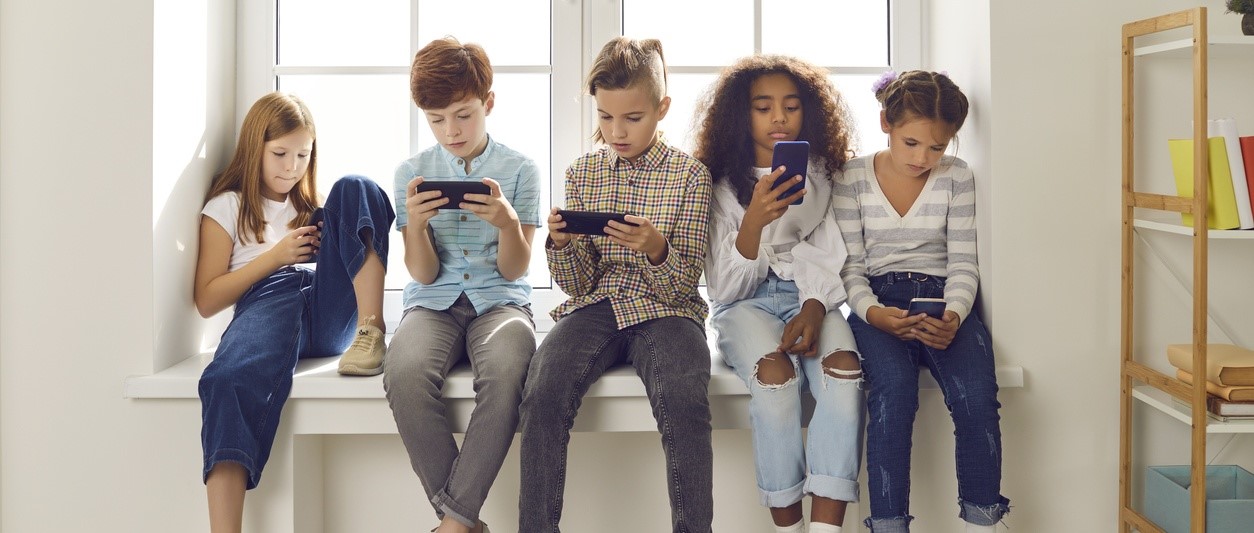
How to talk to your child about social media
Peer reviewed by Dr Krishna Vakharia, MRCGPAuthored by Gillian HarveyOriginally published 6 Jun 2023
Meets Patient’s editorial guidelines
- DownloadDownload
- Share
- Language
- Discussion
- Audio Version
- Add to preferred sources on Google
When the coroner's report on Molly Russell - the 14-year-old who died from an act of self-harm -confirmed that social media had played a part in her death, it showed that social media content really can damage the mental health of our children and teenagers. How can parents and carers protect their children from this ever-evolving threat?
Social media companies must bear some of the responsibility for the potentially harmful content they allow, but while this content exists it falls to parents and carers to try to protect their children's mental health and general wellbeing.
Examples of harmful or inappropriate content:
Self-harm and suicide - social posts and communities promoting or romanticising self-harm can sometimes reach vulnerable and impressionable young people. Studies also show that images of self-harm can trigger urges to self-harm1.
Drug use - content portraying drug use as cool or normal can have an influence.
Sexual acts - they may view sexual content that's inappropriate for your child's age.
Cyberbullying - bullies can hide behind their social accounts to post insults and isolate people online.
Eating disorders - there are posts and groups promoting unhealthy attitudes and behaviours toward food and dieting.
Airbrushed lives - people presenting airbrushed versions of their lives on social can make young people feel inadequate and shamed. This can also encourage unrealistic beauty standards.
Over-sharing - young people can sometimes feel pressured to over-share online, including photos of their bodies or personal information to a stranger.
Violent images or videos - acts of violence aren't always filtered from young people's feeds. These can be disturbing, cause confusion or even be traumatising.
Kate Winslet revealed that she doesn't allow social media in her home, but not all parents want or feel able to take such a stance. Used correctly, apps and phones can be used to keep children connected with friends and prevent them from feeling shut out from part of their social world. In addition, as children grow up it may be more advisable that they learn their limits and how to steer clear or handle content in readiness for their future.
With many pupils now bringing phones to school and technology available at friends' houses, it's also unlikely that we can create a proper social media blackout. So how can we, as parents, protect our kids?
Take a stand on secrecy
Children's commissioner Dame Rachel de Souza said that 45% of children aged eight to 17 have encountered upsetting or inappropriate material. Half of those who accessed such content didn't report it2.
Dr Sharie Coombes, child psychologist and author of Online Offline!, believes that the best way to protect our children is by being open with them. "One of the things I’m struck by when I speak to people in their early twenties is the young age at which they came across extreme content," she says. "While more has been done to regulate this content since that time, and parents can take some precautions about filters and other protective measures, it’s still likely that most children will come across something that's harmful."
Many parents set ground rules, limiting or banning the use of certain apps, and explaining to children the kind of content they are not permitted to access. But even if your child is responsible and trustworthy, it can be all too easy to stumble across dangerous content.
Whether we like to think of it or not, our children are likely to be exposed to potentially harmful content at some point during their childhood. But while we cannot necessarily fight the technology, or stop it reaching our children, we can take a stand on the secrecy that surrounds it.
By bringing it out into the light, we can help to guide our children to a better understanding of the world at large, and encourage them to see content in context - in a way that protects their mental wellbeing and leaves them less likely to be influenced by what they watch or read.
Be open and realistic
Establishing open communication with your child, where online content can be discussed without fear or shame, is a good way of protecting your child from its worst effects.
"Content that is sexual or involves self-harm, for example, can be damaging as it taps into a child's sense of shame," explains Coombes.
"Parents who are able to have difficult but useful conversations about topics such as suicide, sex and drugs, and who say, 'come to see me if you ever see anything that makes you feel uncomfortable or embarrassed', are creating an environment where - if and when inappropriate content is viewed - a child feels able to open up about it rather than feel they have something to hide."
In order to create a safe environment where our children feel able to share, try to keep our shame reaction to a minimum, and speak about content with knowledge rather than emotion. "We need to be mindful of our own shame and not let it taint the very matter-of-fact approach," explains Coombes. "Kids can detect when we're bringing our own issues into the conversation."
While the idea of a child stumbling across sexual or other disturbing content can be horrifying, it's important to remember that to feel drawn to certain content can be a very human thing. "For example, humans are designed to like sexual things, so viewing certain content might spark something that they enjoy," says Coombes. “Try to put your concerns in context, without making your child feel ashamed or wrong, depending on what has been viewed."
Monitor with consent
When a child leaves a device on the kitchen table, or is at school away from their PC, it's tempting for parents to have a quick look, for reassurance. Sometimes, this sort of monitoring feels necessary if a parent or carer suspects there is something wrong.
However, rather than furtive access to media devices, if you decide you would like to keep an eye on what your child is viewing, be upfront about it. "Tell the child that you want to review their search history, or explain that a condition of owning a phone is that you should be granted access if you wish," advises Coombes.
If you do wish to view content, being open means keeping trust between you and your child. That said, children may circumvent this type of system if they know they are accessing content that you would disapprove of. With technology and methods changing all the time, it's likely that if a child wants to hide something, they may be able to. "You don't want them to hide things, and they are entitled to a private life - it's a very difficult situation for parents," says Coombes.
Another way of supervising your child's social media activity is to have them use their phones in a family space, rather than in their rooms. While you won't necessarily know what they are looking at, accessing in a shared space may help to reduce the risk of harmful content being viewed.
Educate on online responsibility
As well as talking about the potential dangers of online behaviour, it's important to help children understand their online responsibilities to themselves and others. For today's children, especially teens, posting something ill-advised on the internet may have long-lasting consequences.
"It's important for children to have a sense of responsibility about their online reputation," says Coombes. "While they might feel anonymous, they need to understand they really aren't, and that they shouldn’t do or say anything online they wouldn't be comfortable doing in person. This is to protect their present and their future."
Tackle the problem early on
Having conversations with teenagers, who may feel less open to sharing their thoughts and feelings with you, can be difficult. So although it may feel early, it's better to address the issue of online safety with a child when they are younger.
"Generally, children aged 12 and under are really receptive," explains Coombes. "They want to be kept safe. Getting in early with an honest, frank conversation means a better chance of it being embedded. Remember, the technology may seem new to us, but it's something that has always been part of their world."
Keep on talking
Sadly, as much as parents may wish it, there is no simple way to protect children in a fast-evolving technological world. New apps and new ways of communicating online are constantly turning up, and it may feel impossible to keep track.
But establishing an open rapport about online behaviour and content, mitigating feelings of shame, and being ready to discuss any topic in a calm and considered way should help to reduce the chances of your child keeping harmful online content a secret. If they feel they can be open with you, the better chance you have of diffusing or tackling potential early on.
Further reading
Patient picks for Online and social media

Healthy living
Dr Krishna Vakharia: A look back - and forward
2022 brought with it the end of lockdown and social distancing due to COVID-19. However, with it we saw an increase in diseases and illnesses that kept us all on our toes. At Patient, we published new information about mpox - previously known as monkeypox - polio and new leaflets on Group A streptococcus which had taken hold by the end of the year.
by Dr Krishna Vakharia, MRCGP
Healthy living
How to support your child if they are being cyberbullied
If you suspect your child is being cyberbullied, it can be difficult to know how to approach the situation. You want them to know you are there to support them, but also don't want them to think you are intruding. However, with online bullying becoming an increasingly concerning issue with the growth of social media platforms, it's important to know how to be there for your child, and how to help prevent cyberbullying.
by Emily Jane Bashforth
About the authorView full bio
Authored by

Gillian Harvey
Freelance Writer
BA (Hons) English
Gillian is a freelance writer and columnist for a variety of national newspapers and magazines.
About the reviewerView full bio

Dr Krishna Vakharia, MRCGP
Chief Medical Officer for Health, Optum UK
MBChB, MRCGP(2013), BMedSci (hons), DFSRH, DRCOG, PGDipDerm (Distn)
Dr Krishna Vakharia is an NHS GP. She is also a regular examiner for the postgraduate Diploma in Practical Dermatology at Cardiff University as well as being the Chief Medical Officer for health at Optum UK.
Article history
Article also available in English, German, Spanish, French, Italian, Portuguese, Hindi, Hebrew, Arabic, and Swedish.
6 Jun 2023 | Originally published
Authored by:
Gillian HarveyPeer reviewed by
Dr Krishna Vakharia, MRCGP
Join the conversation
Share your thoughts or experiences with others in our patient communities.

Ask, share, connect.
Browse discussions, ask questions, and share experiences across hundreds of health topics.

Feeling unwell?
Assess your symptoms online for free
Sign up to the Patient newsletter
Your weekly dose of clear, trustworthy health advice - written to help you feel informed, confident and in control.
By subscribing you accept our Privacy Policy. You can unsubscribe at any time. We never sell your data.