Why you shouldn't skip your free NHS health check
Peer reviewed by Dr Colin Tidy, MRCGPAuthored by Dr Sarah JarvisOriginally published 30 Nov 2018
Meets Patient’s editorial guidelines
- DownloadDownload
- Share
- Language
- Discussion
- Audio Version
- Add to preferred sources on Google
It has never been easier to get a health MOT. Many risk factors don't cause short-term symptoms, but getting them identified and treated can hugely reduce your risk of heart attack, stroke, type 2 diabetes and kidney problems. But what tests do you need, and when should you have them done?
Compared to 40 years ago, we've made great strides at preventing cardiovascular disease, or CVD (mostly heart attack and stroke), in the UK. Since 1990, death rates from CVD have dropped by more than half, and there are 60% fewer deaths from heart attack.
But there's no room for complacency. According to the latest figures from the cholesterol charity Heart UK and the British Heart Foundation, coronary heart disease remains the number one killer in the UK. In the next 24 hours in the UK:
Someone will have a heart attack every 7 minutes.
Someone will suffer a stroke every 12 minutes.
420 people will die from CVD.
More than 110 people under 75 will die from CVD.
2 million men and 900,000 women are living with long-term angina.
Free checks
In 2009, the NHS introduced NHS Health Checks in England - free assessments available every five years to everyone aged 40-75 who hasn't already been diagnosed with CVD.
By picking up risk factors like high blood pressure and raised cholesterol, which can be treated before they lead to heart attack and stroke, it's estimated that NHS Health Checks prevent at least 300 premature deaths a year.
Yet fewer than half of eligible people attend their free check, even though it takes only minutes and can often be done by your local community pharmacist while you're out shopping. So if you're one of the many burying your head in the sand, do your body a favour and ask your pharmacist.
Your blood pressure
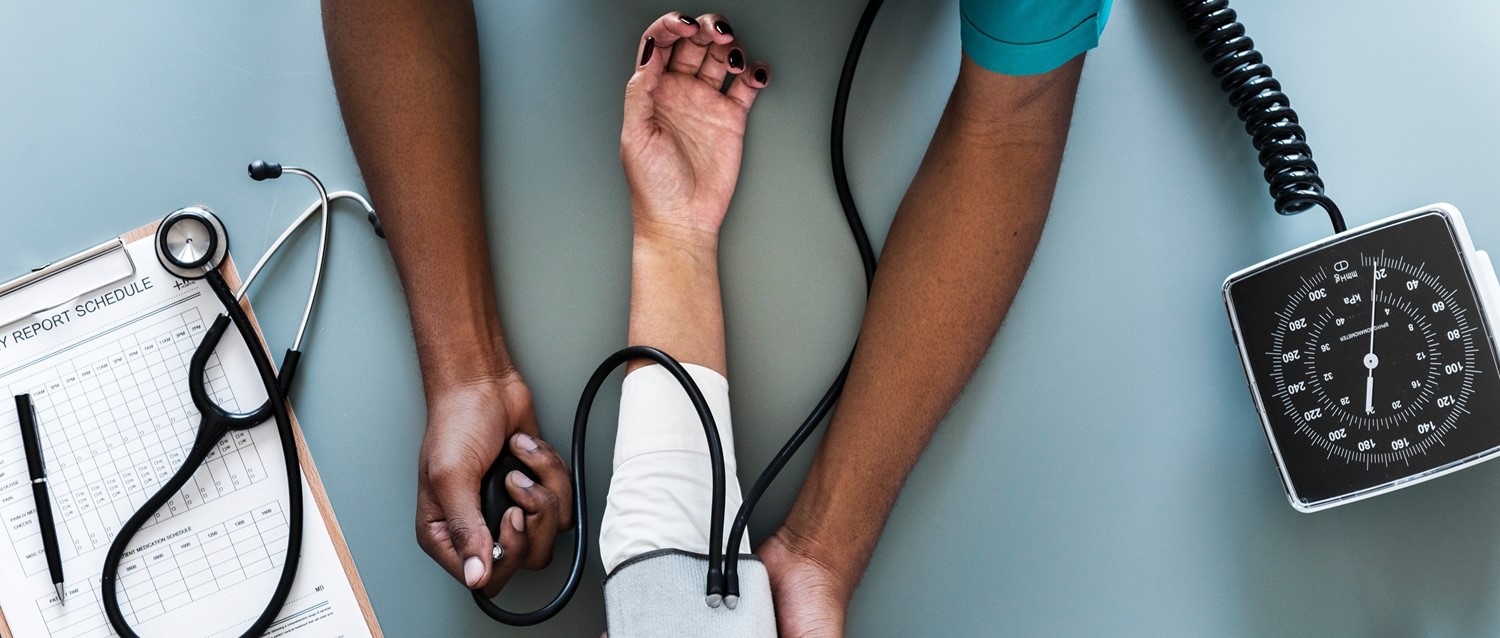
You won't have any idea what your blood pressure is unless you get it measured. Lots of my patients think that they get headaches, or feel unwell, if their blood pressure is high. In fact, unless it's dangerously raised (with an upper level above about 230 and a lower level above about 130) you won't have any idea if your blood pressure has gone up.
But high blood pressure hugely increases your risk of having a stroke or a heart attack. High blood pressure gets more common as you get older, about half of over-50s have high blood pressure. That's why you need to get it measured at least every five years if you're over 40, and at least once or twice a year if you have diabetes, kidney disease, heart disease or a history of high blood pressure.
Your weight
Almost all of us worry about our weight at some point. It can feel as if the media - and your doctor - are obsessed with giving you advice about your 'ideal' weight. But keeping within the 'ideal' range of weight, compared to your height, (called your BMI, or body mass index) cuts not just your risk of heart attack and type 2 diabetes but also arthritis and breathing problems. Ask your pharmacist, GP or practice nurse about your ideal weight.
Your waist size
If you tend to carry excess weight around your midriff (in other words, if you're an 'apple' rather than a 'pear') you do need to watch your risk of type 2 diabetes and heart disease. The waist size of your trousers is only accurate if you wear your trousers around the widest part of your waist.
Measure your waist at the point halfway between the bottom of your rib cage and the top of your pelvic bone, when you're breathing out. There's no point in cheating! If your waist size is more than 35 inches (if you're a woman) or 40 inches (if you're a man), do make an appointment about whether you need to be checked for these conditions.
Cholesterol
On the whole, the lower your cholesterol, the lower your risk of heart disease. However, one kind of cholesterol (HDL, or 'good' cholesterol) can actually protect you against heart disease. It's the ratio of total to good cholesterol which really counts.
You should have your cholesterol measured at least once in your lifetime - and at least once a year if you have a history of heart attack, stroke, diabetes or kidney disease, or have been told your risk of heart disease or stroke is more than 20% over the next ten years.
Who's best to check my health?
Your community pharmacist or practice nurse are the first stop for advice about general health checks. Many pharmacies and nurse-led clinics in GP surgeries carry out NHS Health Checks. They can measure your weight, blood pressure, heart rate and cholesterol, and can give you an idea of how you can improve your health. They can also tell you about other health checks you'll be offered routinely (depending on your age) - like cervical smears, mammograms and screening for colon cancer.
If you want to know about other conditions you may need screening for - like osteoporosis ('thinning' of the bones) or prostate cancer - talk with your GP.
Many private health companies offer comprehensive screening packages with a huge selection of blood tests and scans. However, not all of them will actually improve your health - and some may lead to unnecessary anxiety or tests which could actually be harmful. Talk with your pharmacist or GP first about which tests are worth having, before you part with your hard-earned money.
With thanks to 'My Weekly' magazine where parts of this article were originally published.
Patient picks for GP surgery and NHS services
General health and lifestyle
Physician associates in the NHS: understanding the role, the debate, and your rights as a patient
If you’ve booked a GP appointment or attended a hospital clinic recently, you may have found yourself sitting across from someone who introduces themselves as a 'physician associate'. For some patients, this is a familiar part of modern NHS care. For others, it can feel unexpected particularly if the assumption was that they would be seeing a doctor. Understanding what physician associates do, how they are trained, and what this means for your care can help you feel more confident navigating appointments and asking the right questions.
by Thomas Andrew Porteus, MBCS
General health and lifestyle
Why is medical cannabis so hard to access on the NHS?
Medical cannabis has been legal to prescribe in the UK for almost eight years, so why have only a handful of people been able to access it on the NHS?
by The Medical Cannabis Clinicians Society
About the authorView full bio
Authored by

Dr Sarah Jarvis
Clinical Consultant
MA (Cantab), BM, BCh (Oxon), DRCOG, FRCGP, MBE
After training in medicine at Cambridge and Oxford, Dr Sarah Jarvis MBE became a GP.
About the reviewerView full bio

Dr Colin Tidy, MRCGP
General Practitioner, Medical Author
MBBS, MRCGP, MRCP (Paediatrics), DCH
Dr Colin Tidy is an NHS Doctor, based in Oxfordshire.
Article history
Article also available in English, German, Spanish, French, Italian, Portuguese, Hindi, Hebrew, Arabic, and Swedish.
30 Nov 2018 | Originally published
Authored by:
Dr Sarah JarvisPeer reviewed by
Dr Colin Tidy, MRCGP
Join the conversation
Share your thoughts or experiences with others in our patient communities.

Ask, share, connect.
Browse discussions, ask questions, and share experiences across hundreds of health topics.

Feeling unwell?
Assess your symptoms online for free
Sign up to the Patient newsletter
Your weekly dose of clear, trustworthy health advice - written to help you feel informed, confident and in control.
By subscribing you accept our Privacy Policy. You can unsubscribe at any time. We never sell your data.