Essential steps to take to avoid falls this winter
Peer reviewed by Dr Colin Tidy, MRCGPAuthored by Dr Sarah JarvisOriginally published 17 Dec 2018
Meets Patient’s editorial guidelines
- DownloadDownload
- Share
- Language
- Discussion
- Audio Version
- Add to preferred sources on Google
As you get older, the chances of you breaking a bone after a minor tumble increase. And falls are especially common in winter, so take these precautions to keep safe.
Most of us have broken a bone at some point. When we're younger, it usually takes a fairly major fall. We'll usually bounce back and be joking about the signatures on our plaster casts in weeks. But as you get older, your bones thin and you're more likely to break a bone (especially wrist or hip) with a fairly minor tumble. As well as being painful, this can really knock your confidence - and if you're worried about leaving the house, you can get socially isolated and find it hard to live independently.
It goes without saying that icy roads and snowy pavements are more slippery than dry ones. But even healthy people with perfect balance can come a cropper.
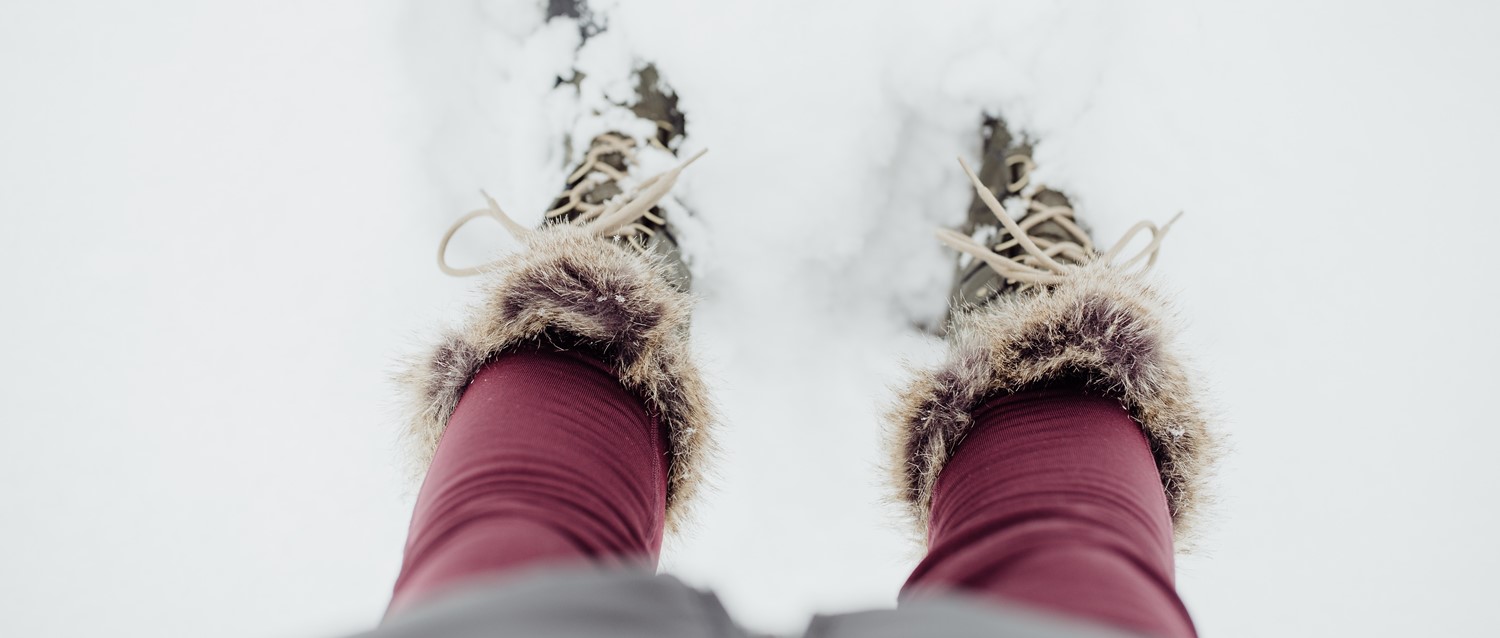
In icy weather, put on proper shoes with good grips even if you're popping out to put the rubbish out; plant your foot firmly before putting your weight down; and never, ever hurry.
For older people, staying indoors in cold weather is even more important, as they're more likely to fall and more likely to break a bone if they do. Do a stocktake of an older loved one's larder - do they have enough food to see them through a week or two at home? Stock them up with tinned foods and long-life milk, and clear their drive or front step of snow regularly in case they put the milk bottles out despite your warnings.
Don't make night time a nightmare
Lots of older people fall at night. They can get confused in the dark; they may be drowsy because of sleeping tablets, and they're more likely to get light-headed if they stand up quickly from lying. Older men, who often need to get up at night to visit the toilet, can feel dizzy when they pass water. A nightlight can help them orientate themselves when they wake.
Remove rugs from the bedside and make sure there are no light flexes trailing on the floor - both are easy to trip on. Advise them always to turn the light on before getting out of bed, and to sit on the edge of the bed for a couple of minutes before standing to avoid dizziness due to low blood pressure. If at all possible, avoid sleeping tablets - if necessary, speak with your GP about cutting down slowly.
Could your medicine be to blame?
All medication has side-effects, but for most people it does much more good than harm. However, some medicines can increase your risk of falls, by making you drowsy, light-headed or dizzy. Common culprits include strong painkillers; antidepressants; medicine for epilepsy; sleeping tablets and some blood pressure-lowering medicines.
Dizzy spells
There are lots of causes of dizzy spells. If you feel light-headed when you stand, it could be because your blood pressure has dropped. If the room spins, it could be a problem with the balance mechanisms in your inner ear. If you actually faint, causes include being dehydrated, being too hot and, occasionally, abnormal heart rhythms. Whatever the cause, dizziness increases your risk of falling and hurting yourself, so it's important to see your doctor.
Falls clinics
Doctors are well aware of the risks of falls, especially in older people. Having even one fall without an obvious cause puts you at higher risk of more in future. Many hospitals now run specialist falls clinics.
The doctor will run through all your medication and advise on safer alternatives. There will usually be a physiotherapist and occupational therapist as part of the team. They can help with exercises to improve balance and muscle strength, and arrange for home adaptations like rails for bath and stairs. If an older loved one has had a fall, ask their GP about a referral.
With thanks to 'My Weekly' where this article was originally published.
Patient picks for Winter health
General health and lifestyle
Can cold weather make you ill? And other winter myths
It may be a memory of our mum telling us we'll catch our death if we go outside without a coat. Perhaps a well-meaning relative has advised slurping down some chicken soup when we've got a winter virus. Whatever the advice, we've all heard a few winter health myths - but is there truth in any of them? And what age-old advice might keep us healthier this winter?
by Victoria Raw

General health and lifestyle
How to stay warm this winter
This winter, many of us are feeling wary about turning up the thermostat. High energy prices and the strain on household finances mean that many people are being forced to cut costs. But while it’s important to keep an eye on the finances, it's also essential to consider our health and the health of those around us.
by Lynn Stephen
About the authorView full bio
Authored by

Dr Sarah Jarvis
Clinical Consultant
MA (Cantab), BM, BCh (Oxon), DRCOG, FRCGP, MBE
After training in medicine at Cambridge and Oxford, Dr Sarah Jarvis MBE became a GP.
About the reviewerView full bio

Dr Colin Tidy, MRCGP
General Practitioner, Medical Author
MBBS, MRCGP, MRCP (Paediatrics), DCH
Dr Colin Tidy is an NHS Doctor, based in Oxfordshire.
Article history
Article also available in English, German, Spanish, French, Italian, Portuguese, Hindi, Hebrew, Arabic, and Swedish.
17 Dec 2018 | Originally published
Authored by:
Dr Sarah JarvisPeer reviewed by
Dr Colin Tidy, MRCGP
Join the conversation
Share your thoughts or experiences with others in our patient communities.

Ask, share, connect.
Browse discussions, ask questions, and share experiences across hundreds of health topics.

Feeling unwell?
Assess your symptoms online for free
Sign up to the Patient newsletter
Your weekly dose of clear, trustworthy health advice - written to help you feel informed, confident and in control.
By subscribing you accept our Privacy Policy. You can unsubscribe at any time. We never sell your data.