
Obesity blamed for fewer eligible organ donors
Peer reviewed by Natalie HealeyAuthored by Milly EvansOriginally published 18 Jul 2019
Meets Patient’s editorial guidelines
- DownloadDownload
- Share
- Language
- Discussion
- Audio Version
- Add to preferred sources on Google
Whilst the number of organ donors has gone up, the number of usable organs has dropped, with some of this decrease attributed to the growing obesity crisis.
Need weight loss treatment?
Start a quick online consultation through Patient.info, available 24/7.
Reviewed by UK-registered clinicians and powered by Evaro, a UK-regulated healthcare service. Treatment can often be delivered next day.

The annual Organ Donation and Transplantation Activity Report from NHS Blood and Transplant has shown a decrease in eligible deceased organ donors, leading to a drop in potentially life-saving transplants. The report looked at the start of the financial year 2018 to 31st March 2019, comparing figures with the previous year.
In 2018-19 there was a 1.7% increase in the number of deceased donors to 1,600, the highest ever in the UK. However, this was the smallest rise in donors for five years. And of donors with usable, healthy organs, there was a 4% decrease, equating to 225 fewer donors overall.
There was a 2% decrease in the number of transplants from 5,104 to 4,990, and the number of people on the transplant waiting list increased by 1%. 408 people died whilst on the transplant waiting list or within a year of being removed from it. The report explained that: "The decrease in the total number of eligible donors and the subsequent impact on the number of proceeding deceased organ donors, makes it increasingly challenging to maintain the consistent year-on-year increases in donor numbers."
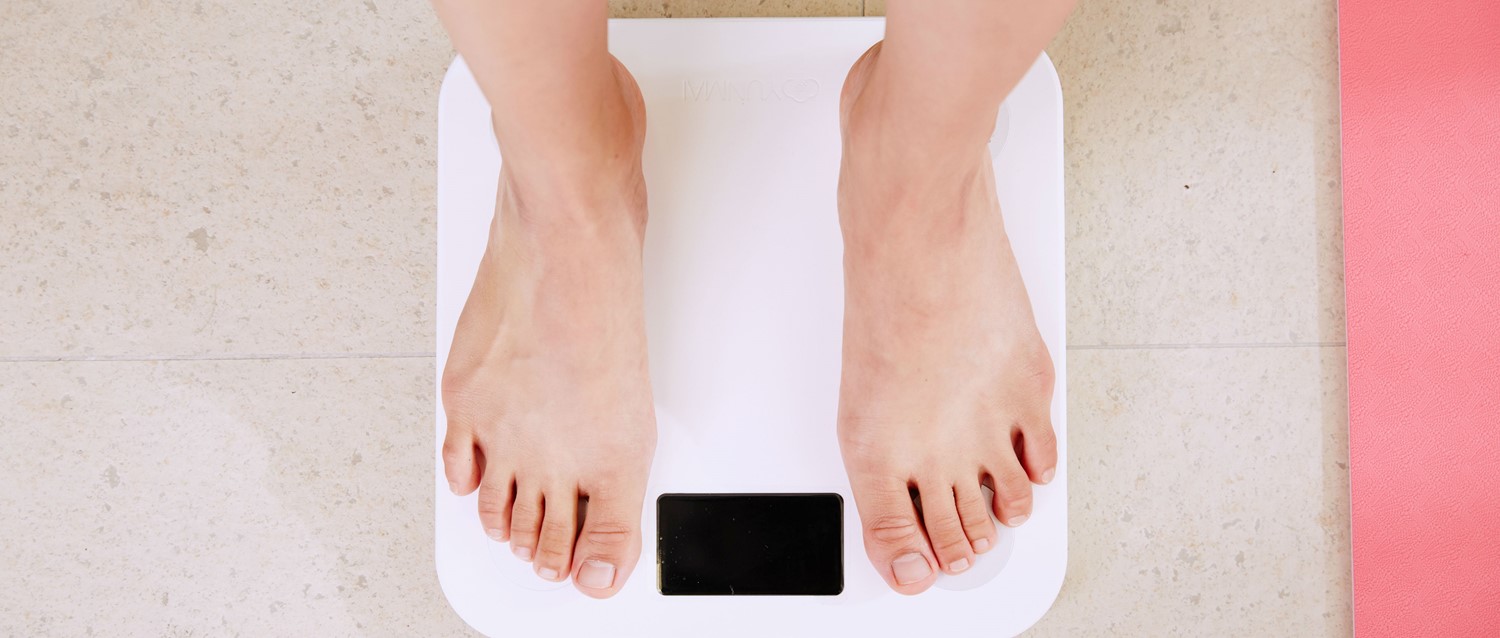
Among the factors preventing organ donation taking place are older and more obese donors and donors being less likely to experience a trauma-related death. The proportion of clinically obese donors has increased from 24% to 29% over the last ten years. The proportion of deceased donors after a trauma death has decreased from 11% to 3% over the same period. All of these factors affect the quality and usability of organs. There has also been a drop in living donor people who may donate a kidney, part of their liver or tissue.
The 1,600 deceased organ donors donated 5,147 organs between them - a 2% decrease from last year. 94% of deceased donors gave a kidney and nearly three quarters donated at least one other organ. Despite decreases, NHS Blood and Transplant still named the programme a 'success story', citing the 67% increase in deceased donors and 49% increase in transplants in the last 10 years.
Patient picks for Obesity and weight loss
Healthy living
Can you blame your weight on your genes?
It's said 'you are what you eat'. But why can some people eat whatever they like without putting on a pound, while others have to watch every morsel they put into their mouth and count each calorie they consume?
by Kerry Taylor-Smith

Healthy living
Switch off TV in the bedroom to avoid weight gain
Sleeping with a television or light on in your bedroom may be a risk factor for gaining weight, according to scientists.
by Natalie Healey
Frequently asked questions
What types of organs are typically donated by deceased donors?
The report indicates that 94% of deceased donors provided a kidney. Additionally, nearly three-quarters of deceased donors donated at least one other organ, suggesting a variety of organs can be donated.
About the authorView full bio
Authored by

Milly Evans
Editor
Milly writes on a range of health topics, with a particular interest in health inequality and sexual health.
About the reviewerView full bio

Natalie Healey
Freelance journalist
BSc (Hons) Biomedical Science
She is a London-based health journalist who has been writing about science and medicine for several years. She is the former head of editorial at Patient.
Article history
Article also available in English, German, Spanish, French, Italian, Portuguese, Hindi, Hebrew, Arabic, and Swedish.
18 Jul 2019 | Originally published
Authored by:
Milly EvansPeer reviewed by
Natalie Healey
Join the conversation
Share your thoughts or experiences with others in our patient communities.

Ask, share, connect.
Browse discussions, ask questions, and share experiences across hundreds of health topics.

Feeling unwell?
Assess your symptoms online for free
Sign up to the Patient newsletter
Your weekly dose of clear, trustworthy health advice - written to help you feel informed, confident and in control.
By subscribing you accept our Privacy Policy. You can unsubscribe at any time. We never sell your data.