
How to stay healthy at a music festival
Peer reviewed by Dr Krishna Vakharia, MRCGPLast updated by Victoria RawLast updated 16 May 2024
Meets Patient’s editorial guidelines
- DownloadDownload
- Share
- Language
- Discussion
- Audio Version
- Add to preferred sources on Google
The season for summer music festivals is upon us. While these extended outdoor events offer an escape from our everyday worries and routines, they can also bring with them some common health issues. However, with a little forward-planning, your memories could be all about the music, not the time you spent in the medical tent.
Here are seven top tips to help you have a happy - and healthy - music festival season:
1. Stay hydrated
Mild dehydration can cause headaches, poor concentration, tiredness and light-headedness. If you're more severely dehydrated, you can experience palpitations, breathing problems, dizziness, confusion or even loss of consciousness.
The European Food Standards Agency (EFSA) recommends that for the average adult, fluid intake should be about 1.5 litres a day for women and 2 litres for men. In addition to that, it's recommended that another half litre of fluid come from foods. However, if you're exercising you may lose as much as a litre of fluid an hour, although that varies dramatically depending on how energetically you're dancing, how much you sweat and how hot it is.
Do be aware that, while tea and coffee in moderation can contribute to your fluid intake, all alcohol is dehydrating. As a rule of thumb, if your urine looks dark rather than pale straw-coloured, you need more fluid.
And while you may think it's impossible to drink too much water, there is a rare but serious complication of fluid overload, called hyponatraemia. Some recreational drugs can make you more prone to this.
2. Rest and recharge
You may want to make the most of every minute at a festival. But being overtired can take all the fun out of it - you're hardly going to enjoy yourself if you have a headache and can't concentrate.
As with exercising, slow-burn carbohydrates can keep your energy levels up. You may think it will be easier to sleep amid the noise of a festival at night if you have alcohol on board, but you'd be mistaken. Being drunk may make it easier to get to sleep, but your sleep pattern will be disturbed and won't refresh you in the same way. You're also more likely to wake early (probably needing a trek to the communal loos) and find it difficult to get back to sleep.
Some people find napping during the day gives them an energy boost. For others it's a recipe for poor sleep the next night.
3. Give yourself space
Music festivals are known for their large, energetic crowds. However, being hemmed in by so many partygoers can feel overwhelming for people with claustrophobia.
Claustrophobia is extremely frightening, and can come on in seconds. Alcohol and particularly recreational drugs make you much more prone to panic attacks and claustrophobia - just because other people are indulging doesn't make them a good idea.
Symptoms include an intense feeling of anxiety, thumping heart, shortness of breath, dry mouth, sweaty palms, feeling hot and cold, chest pain, feeling sick or dizzy and sometimes pins and needles in your hands and around your mouth.
In the short term, focusing on your breathing - taking very slow, deep breaths can help. Over-breathing (hyperventilation) is a natural response to very high adrenaline levels that accompany claustrophobia or panic attack. This makes you want to breathe rapidly, which in turn can result in light-headedness and dizziness from too much oxygen and too little carbon dioxide in the system. You may also want to get out of the situation as soon as possible.
However, be aware that avoiding a situation that causes symptoms of anxiety can make the problem worse in the long term, as you end up restricting your life more and more. If you suffer from regular panic attacks or claustrophobia, see your doctor about possible treatment.
4. Fuel up
The best festivals involve lots of dancing - and energetic dancing takes as much energy as marathon running.
Slow-burn carbohydrates are the body's preferred energy source during high-intensity activity - wholemeal pasta, potatoes and some fruit and vegetables are ideal. Protein helps to rebuild muscle as well as being one of the most effective forms of food for staving off hunger. White meat, fish, eggs and dairy products are great sources of protein. If you're vegan, think soy, quinoa, Quorn®, hummus or rice and beans.
5. Protect your ears
Exposure to loud noise increases your chance of age-related hearing loss (presbyacusis) in later life. As far as the average festival-goer is concerned, old age seems a lifetime away. However, chances of developing this type of hearing loss increases as early as age 40.
Tinnitus, a distressing and persistent ringing in the ears, can be brought on by exposure even to short bursts of very loud noise. It's never too early to start protecting your ears from loud noise - earplugs are as essential a part of festival life as the tent and the spare supply of loo roll.
6. Keep safe in the sun
It can be easy to forget when you're having fun in the sun, but excess sun and heat exposure can be harmful to your body.
Sunburn is an obvious one - keep a hat to hand at all times, apply sunscreen regularly and don't give in to the temptation to go shirtless.
Heat exhaustion causes extreme tiredness, profuse sweating, light-headedness and being sick.
The solution is getting out of the heat, resting and drinking plenty of fluids. Heatstroke is a more serious complication - your body loses the ability to cool itself and becomes dangerously overheated. Symptoms of heatstroke include confusion, severe headache, dizziness or fainting, muscle cramps, intense thirst and rapid shallow breathing. This is always a medical emergency.
7. Look after your feet
Many people suffer from swollen legs. For those with long-term health problems, this can be a warning sign of heart failure. But all too often it's caused by sitting with the legs down for long periods - like on a long flight. A similar (although usually milder) issue arises if you stand still for too long.
Standing still for too long means you don't use the muscle pumps in your calves that normally help pump blood around the body and back to the heart. Since fluid has to battle against gravity to get back up the legs when you're standing, this can lead to fluid accumulating, causing tired, achy and swollen lower legs.
There are two obvious solutions:
Keep your muscle pumps working by exercising your legs - either by walking or dancing or even by tensing the calf muscles regularly when you're standing or walking up and down on the spot.
Use gravity to get the fluid out of the legs - this involves keeping your legs up, ideally above the level of your heart. Lying flat on the ground with your legs propped on a pillow - or a rucksack - will help relieve the swelling and aching.
Patient picks for Environmental conditions

General health and lifestyle
How to help your baby sleep safely in hot weather
Getting your baby to sleep at night - and struggling with the inevitable exhaustion when they don’t sleep - is often one of the most difficult parts of being a parent. And when it’s hot outside, it can be even harder to get your child to sleep well. Keeping them cool during a heatwave can be challenging, but here are some tips you can try to make it easier.
by Lydia Smith
General health and lifestyle
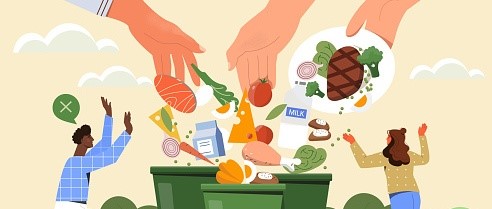
Handy tips to reduce your food waste
In the UK, each person wastes around 100 kg of food on average every year. Throwing away uneaten food is bad for both people and planet, but there are steps you can take at home to reduce food waste and protect public health both in the present and in the future.
by Amberley Davis
About the authorView full bio

Dr Sarah Jarvis
Clinical Consultant
MA (Cantab), BM, BCh (Oxon), DRCOG, FRCGP, MBE
After training in medicine at Cambridge and Oxford, Dr Sarah Jarvis MBE became a GP.
About the reviewerView full bio

Dr Krishna Vakharia, MRCGP
Chief Medical Officer for Health, Optum UK
MBChB, MRCGP(2013), BMedSci (hons), DFSRH, DRCOG, PGDipDerm (Distn)
Dr Krishna Vakharia is an NHS GP. She is also a regular examiner for the postgraduate Diploma in Practical Dermatology at Cardiff University as well as being the Chief Medical Officer for health at Optum UK.
Article history
Article also available in English, German, Spanish, French, Italian, Portuguese, Hindi, Hebrew, Arabic, and Swedish.
Next review due: 16 May 2027
16 May 2024 | Latest version
3 Jul 2018 | Originally published
Authored by:
Dr Sarah Jarvis
Join the conversation
Share your thoughts or experiences with others in our patient communities.

Ask, share, connect.
Browse discussions, ask questions, and share experiences across hundreds of health topics.

Feeling unwell?
Assess your symptoms online for free
Sign up to the Patient newsletter
Your weekly dose of clear, trustworthy health advice - written to help you feel informed, confident and in control.
By subscribing you accept our Privacy Policy. You can unsubscribe at any time. We never sell your data.
More in general health and lifestyle
- Are online doctor's appointments the future for healthcare?
- Beat the heat: your essential sun safety guide
- Do you need physiotherapy after joint replacement?
- How can technology help us manage health conditions?
- How does IBS affect people at work?
- How heatwaves affect your blood pressure
- How to cope with a terminal illness at Christmas
- How to deal with back to work anxiety
- How to deal with negative body image in the summer
- How to manage your mental health if you've been made redundant
- How your height affects your health
- Is your job putting your health at risk?
- Obesity blamed for fewer eligible organ donors
- Plant-based proteins could help prevent high blood pressure
- Pride, belonging, and why health is about more than healthcare
- What are the health benefits of houseplants?
- When do you really need to go to A&E?
- When the heat rises, so do heart risks: What you need to know
- Why are men less likely to wear sun cream?
- Why new year's resolutions fail - and what you can do about it