Anatomy of the foot
Peer reviewed by Dr Hayley Willacy, FRCGP Authored by Dr Laurence KnottOriginally published 2 Nov 2018
Meets Patient’s editorial guidelines
- DownloadDownload
- Share
- Language
- Discussion
- Audio Version
- Add to preferred sources on Google
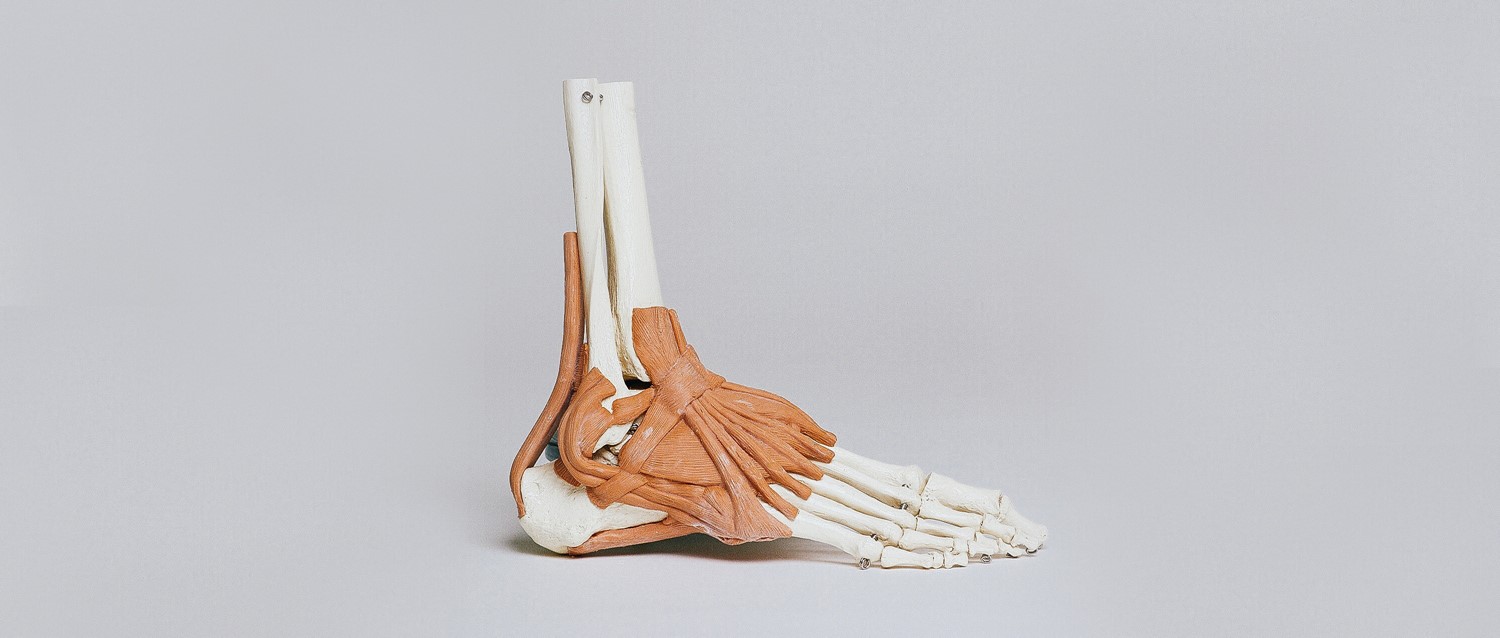
It may surprise you to know that the foot is one of the most complicated structures of the body. It contains a lot of moving parts - 26 bones, 33 joints and over 100 ligaments. Such complexity is necessary because the foot is required to do many different activities such as walking, running and climbing. Between them, the two feet need to balance your body weight, redistributing it in response to position changes. This is, if you'll pardon the pun, no mean feat.
The anatomy of the foot
The foot contains a lot of moving parts - 26 bones, 33 joints and over 100 ligaments.
The foot is divided into three sections - the forefoot, the midfoot and the hindfoot.
The forefoot
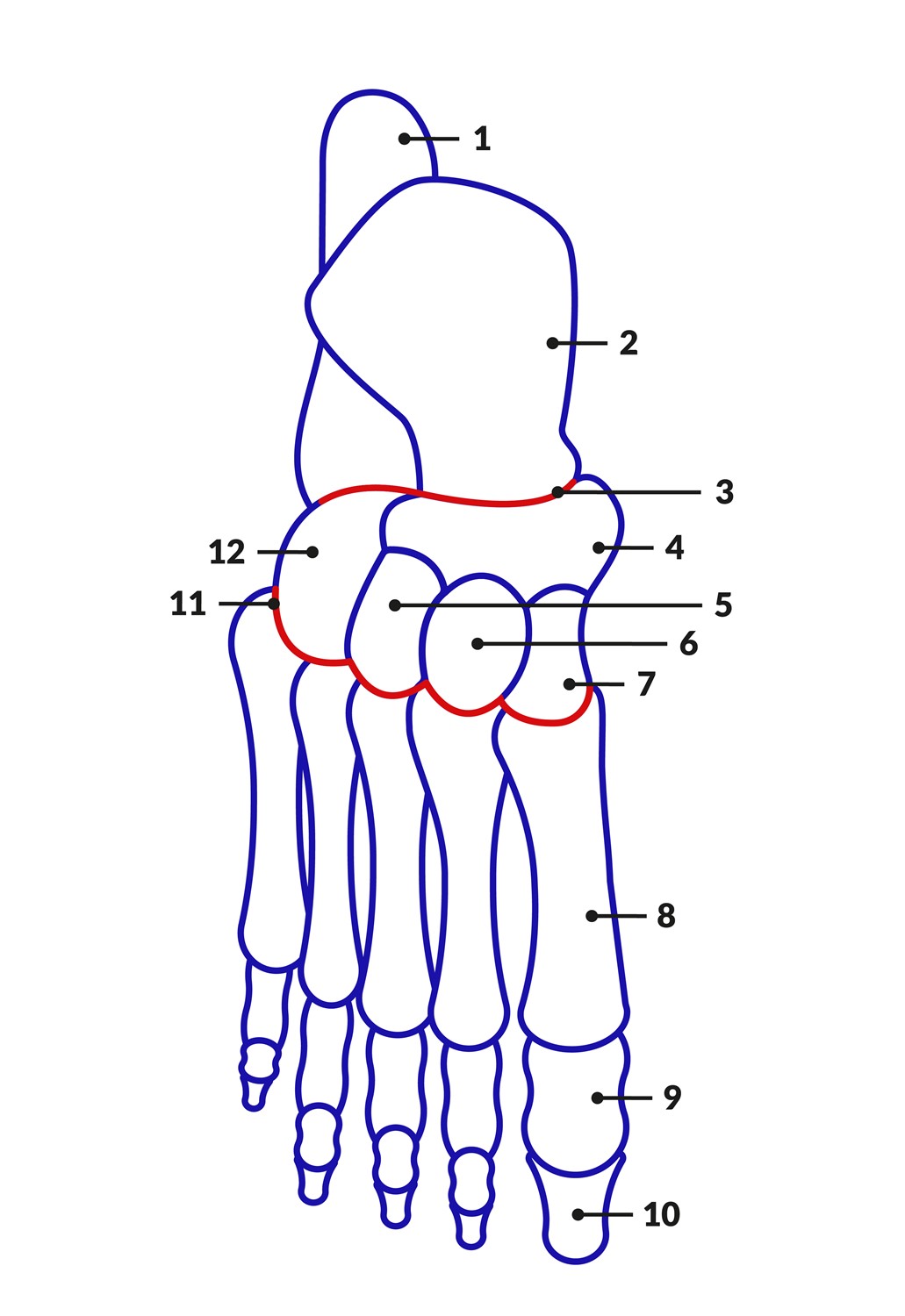
This consists of five long bones (metatarsal bones) and five shorter bones that form the base of the toes (phalanges). The knuckles of the toes are called the metatarsophalangeal joint.
The midfoot
This is approximately pyramid-shaped and is comprised of three cuneiform bones, the navicular bone and the cuboid bone. This bone of the foot forms the arches of the feet. They are actually quite a miracle of engineering, forming a structure which is both flexible and sturdy and supports the arch of the foot.
The hindfoot
This is comprised of the talus bone and the calcaneum. The talus connects with the tibia and fibula to form the ankle joint, and the calcaneum is the bone that forms the heel bone (ball of the foot). The calcaneum is the largest bone in the foot.
The muscles, tendons and ligaments
The muscles of the foot are located mainly in the sole of the foot and divided into a central (medial) group and a group on either side (lateral). The muscles at the top of the foot fan out to supply the individual toes.
The tendons in the foot are thick bands that connect muscles to bones. When the muscles tighten (contract) they pull on the tendons, which in turn move the bones. Arguably, the most important tendon is the Achilles tendon, which allows the calf muscles to move the ankle joint.
The ligaments are fibrous bands - imagine very strong rubber bands - which bind the bones together to give shape, flexibility and strength to the foot. There are many ligaments in the foot. Some run together to form complex webs around areas which need extra support, such as the sole of the foot, the top of the foot and the ankle joint.
Anatomy of the foot
Key | |
|---|---|
1. Calcaneus (heel bone) | 7. Medial cuneiform bone |
How to look after your feet
We probably spend more time maintaining our cars than we do our feet. It's amazing how little care we give them, considering what complex machines they are and what we expect them to do. However, when things do go wrong they soon start complaining! Foot pain should never be ignored, particularly if it occurs daily and becomes persistent.
There are some simple things you can do to look after your feet.
Wash your feet daily
Simple hygiene measures will help reduce the risk of infection. However, don't soak them for hours as this affects the natural oils produced by the skin.
Dry your feet properly
No quick wipe with a little towel. Really get between those toes and give them a good dry. Damp body surfaces are ideal breeding grounds for fungal infections such as athlete's foot.
Moisturise and file
Use a moisturising cream regularly if you have dry skin but don't put it between your toes (especially your big toe), as this area is best kept dry. Remove hard skin and callus with a pumice stone or foot file but be gentle. Vigorous rubbing will only make the skin grow back harder and there is a danger of skin damage, which can make the area prone to infection.
Cut toenails regularly
Cut your toenails with care, straight across and never down at the edges. Cutting the nails at the corners can lead to accidental trauma to the skin and also increase the risk of ingrowing toenails.
Buy shoes in the afternoon
This might seem odd but as the day goes on, your feet get slightly larger. If you buy shoes in the morning, there is a risk they will be too tight, so it's best to shop in the afternoon.
Footwear tips
There's a movement to stop employers from insisting that women wear high heels for work, but the requirement still exists in some jobs. If you have to wear high heels, consider travelling to and from work in more comfortable footwear, and wear high heels only when you need to. Limit the amount of time you wear high heels, shoes with pointed toes and any footwear that feels uncomfortable. Flip-flops put pressure on your arches and heels, and wearing them for long periods of time is best avoided. If you balance fashion with comfort your feet will thank you for it.
Advice for the over-60s
As you get older your skin thins and you become more prone to conditions affecting the feet. Make sure you inspect your feet regularly for infections, cuts, calluses and corns. Don't ignore persistent foot pain which is a signal that there is a problem. The College of Podiatry recommends -six-monthly foot MOTs for the over-60s.
Patient picks for Foot health

Foot care
Winter foot care mistakes to avoid
As the cold weather starts to bite, it's important to wrap up and take care. But - whilst we might pull on our winter scarves and gloves - many of us neglect our feet at this time of year. We look at common winter foot care mistakes you might be making and how to avoid them.
by Gillian Harvey
Foot care
How to keep your feet problem-free
They're as far away from your eyes as they can be and still be part of your body, but that's no reason to ignore your feet. They work hard every day, supporting all your weight, and a little TLC can go a long way.
by Dr Sarah Jarvis
About the authorView full bio
Authored by

Dr Laurence Knott
General Practitioner, Medical Author
BSc (Hons) Biochemistry, MBBS
Dr Laurence Knott qualified in 1973 and has had extensive experience as a General Practitioner.
About the reviewerView full bio

Dr Hayley Willacy, FRCGP
General Practitioner, Medical Author
MBChB (1992), DRCOG, DFFP, MRCOG (Part 1) MRCGP (2007), DFSRH (2013), MSc - medical education (2020)
Dr Hayley Willacy was an NHS GP working in northwest England, who retired from clinical practice in 2022 after 30 years.
Article history
Article also available in English, German, Spanish, French, Italian, Portuguese, Hindi, Hebrew, Arabic, and Swedish.
2 Nov 2018 | Originally published
Authored by:
Dr Laurence KnottPeer reviewed by
Dr Hayley Willacy, FRCGP
Join the conversation
Share your thoughts or experiences with others in our patient communities.

Ask, share, connect.
Browse discussions, ask questions, and share experiences across hundreds of health topics.

Feeling unwell?
Assess your symptoms online for free
Sign up to the Patient newsletter
Your weekly dose of clear, trustworthy health advice - written to help you feel informed, confident and in control.
By subscribing you accept our Privacy Policy. You can unsubscribe at any time. We never sell your data.