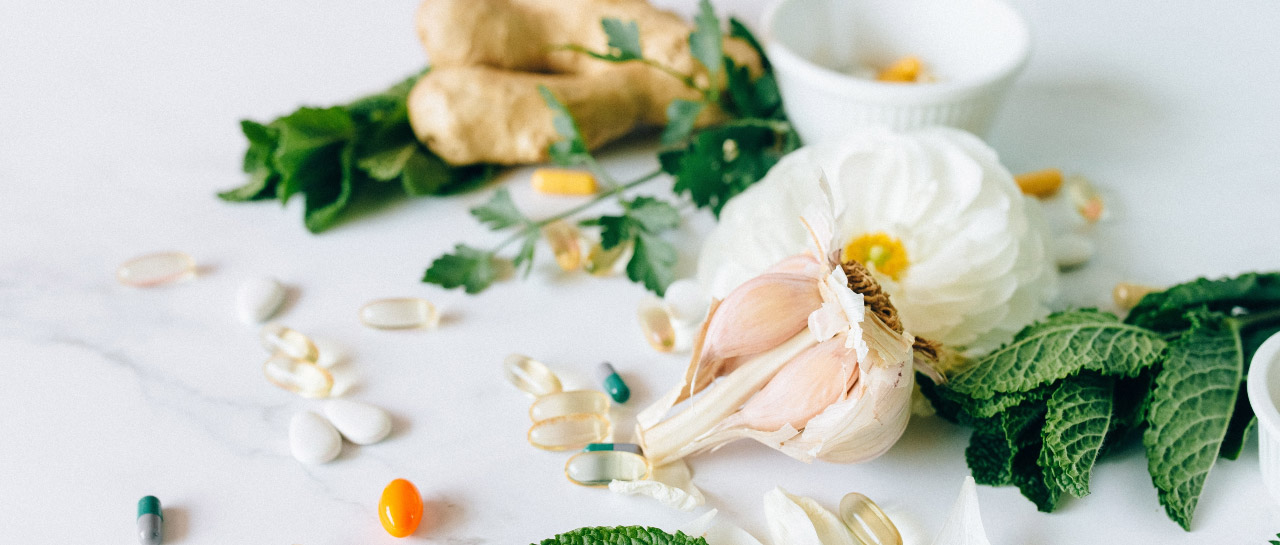
What are the pros and cons of taking supplements?
Peer reviewed by Dr Sarah JarvisAuthored by Gillian HarveyOriginally published 26 Mar 2022
Meets Patient’s editorial guidelines
- DownloadDownload
- Share
- Language
- Discussion
- Audio Version
- Add to preferred sources on Google
Anyone browsing the health aisles at the supermarket, checking out shelves in the health food shop or scrolling through internet outlets in the hope of improving their health, will find a wealth of supplements on offer. Often these are branded 'natural' or 'herbal' - making them sound healthy and harmless.
Are vitamin supplements worth it?
Although vitamin supplements may have benefits for those with a deficiency or specific health need, popping a new pill or tincture without consulting a professional is not advisable. In some cases, taking a supplement may even prove harmful. Some products may be unsuitable for those with certain conditions, including those who are pregnant or breastfeeding. They may even react with medications you’re already taking, rendering them more potent or less effective.
Taking vitamin supplements with other medication
"If you’re on any sort of medication - even the contraceptive pill - it's important that you get advice from a healthcare practitioner," says Pharmacist Thorrun Govind, Chair of the English Pharmacy Board. "Even items that seem completely harmless - for example, cranberry supplements - may have an impact on blood thinners such as warfarin, making individuals more prone to bruising or bleeding if they combine the two. Vitamin K can also cause problems for those on this blood-thinning drug."
Herbal and vitamin supplements can interact with your medication
One of the potential issues with herbal supplements and vitamin tablets is that they are widely available and can be picked up from supermarket shelves, or popped in an online basket, without a second thought. This all adds to the impression many have that vitamin supplements are harmless whatever your health status. As we've seen above, such an assumption may be dangerous and so it's always best to check with your pharmacist.
Herbal remedies
Other herbal or vitamin supplements may be suggested for certain conditions - for example, some people take St John's wort to try to mitigate the symptoms of depression. This may seem a more holistic approach for some than prescribed medication from a GP. But self-treatment with herbal supplements comes with a potentially higher level of risk.
"People often believe that because something's 'natural' it’s safer, and that's not necessarily the case," explains Govind. "Whereas medicines from your doctor have been rigorously tested for safety and efficacy, some of the natural remedies haven't had clinical trials and tests - you're missing out on the clinical evidence."
Herbal and vitamin supplement risks
If you're simply hoping to supplement your diet with an everyday multivitamin, rather than to target a specific problem, the risks are relatively low (although if you and your diet are healthy, the benefits are often minimal). However, it's still worth a quick word with a professional for advice, to ensure the vitamin has what you need and is safe for you, particularly if you are pregnant or trying to become pregnant.
For example, vegans are advised to take vitamin B12 supplements, normally found in meat and dairy products. It would be easy to assume they need a higher dose than what is available in a multivitamin. However, this is not usually the case.
"Having supplements such as a multivitamin is not necessarily a bad thing," says Govind. "But you've got to be mindful that they're not tailored to you as an individual. In terms of safety, it's important to access advice from your doctor or a pharmacist. Even if you've taken a supplement in the past, your health status might have changed. For example, if you have issues with your liver, the standard vitamins may not be suitable."
Obtaining vitamins naturally
In addition, you're much better off getting the vitamins and minerals from food (which contains added micronutrients, fibre etc) than from supplements. So if you're tempted to pop a multivitamin rather than improving your diet, this can be bad for your health.
Common supplement interactions
Some supplements are well known, and you may find that friends or family members swear by their benefits. Despite their familiarity, it's important to know the full facts before taking them. Some known interactions of common supplements include:
Echinacea
Often recommended as a treatment for the common cold, this herb is thought to stimulate the immune system. However, it's important to know that it may affect the level of certain medications in your blood, including tizanidine, a muscle relaxant and some Parkinson's drugs. It may also slow your body's ability to process caffeine.
Evening primrose oil
Many take this oil due to claims of its ability to balance hormones and even reduce inflammation in the body. But beware that this supplement is thought to have a thinning effect on the blood. There is also some limited evidence that it might increase the risk of seizures in susceptible patients.
St John's wort
It has been claimed that St John's wort may relieve some symptoms of depression. However, it can be dangerous to take this supplement without advice, as it has interactions with many different medications. These include the contraceptive pill and SSRIs (selective serotonin reuptake inhibitors) often prescribed by doctors for depression. If you're suffering from symptoms of depression, it's important to talk to your GP.
Ginseng
This familiar supplement claims to increase vitality and improved stress resistance. However, the supplement can interfere with many different medications, including diabetes medications such as insulin and the blood thinner warfarin. It's important to speak to a professional before taking this supplement if you are on any medications.
Ginkgo biloba
Ginkgo biloba may be another familiar name you've glanced at on the supplement shelves. This supplement is promoted as helping to manage symptoms of anxiety or circulation problems, although this is unproven. Importantly the product may interfere with the effectiveness of certain drugs, including antivirals and seizure medications.
Garlic
We are so familiar with garlic in our diet, it would be easy to assume that garlic tablets would be completely harmless. However, interactions have been reported with a high number of medications. Whilst often mild, it's important to check that it doesn't interfere with your current medication, particularly if you are on blood thinners or antiviral drugs.
Including supplements as part of a healthy diet
Working to improve our health, looking for ways to feel better and get the best out of life should only be applauded, and vitamins and supplements may form a part of a healthy regime for some. However, it is important to ensure that these add-ons to our daily diet are not seen as alternatives to prescribed medication and that we seek guidance from professionals before taking anything new. This will help to ensure we get the best out of our supplements and don't take anything that may affect our health negatively.
Patient picks for Vitamins and supplements
Diet and nutrition
Most vitamin supplements aren't beneficial for health, study finds
Vitamin supplements show little evidence of health benefits and some could actually be harmful, suggests new research.
by Ashwin Bhandari
Diet and nutrition
Does your body need vitamin supplements?
We all need vitamins and minerals for a healthy body. Some of them we can store, but some of them need to be eaten daily. So can you get all the vitamins and minerals you need from a balanced diet, or should you be topping up?
by Dr Sarah Jarvis
About the authorView full bio
Authored by

Gillian Harvey
Freelance Writer
BA (Hons) English
Gillian is a freelance writer and columnist for a variety of national newspapers and magazines.
About the reviewerView full bio

Dr Sarah Jarvis
Clinical Consultant
MA (Cantab), BM, BCh (Oxon), DRCOG, FRCGP, MBE
After training in medicine at Cambridge and Oxford, Dr Sarah Jarvis MBE became a GP.
Article history
Article also available in English, German, Spanish, French, Italian, Portuguese, Hindi, Hebrew, Arabic, and Swedish.
26 Mar 2022 | Originally published
Authored by:
Gillian HarveyPeer reviewed by
Dr Sarah Jarvis
Join the conversation
Share your thoughts or experiences with others in our patient communities.

Ask, share, connect.
Browse discussions, ask questions, and share experiences across hundreds of health topics.

Feeling unwell?
Assess your symptoms online for free
Sign up to the Patient newsletter
Your weekly dose of clear, trustworthy health advice - written to help you feel informed, confident and in control.
By subscribing you accept our Privacy Policy. You can unsubscribe at any time. We never sell your data.