
What you should know about diabetes burnout
Peer reviewed by Dr Colin Tidy, MRCGPLast updated by Victoria RawLast updated 8 Nov 2025
Meets Patient’s editorial guidelines
- DownloadDownload
- Share
- Language
- Discussion
- Audio Version
- Add to preferred sources on Google
Managing diabetes is a full-time job. It involves a continuous cycle of blood sugar monitoring, medicine management, and proactive planning. Like many challenges in life, the constant need to monitor this health condition can lead to burnout if you don't take steps to recognise, address, and prevent it.
This World Diabetes Day, we highlight the importance of self-care, support, and finding the right resources if you’re living with diabetes.
Sign up for our free 10-week Diabetes course!
Each week, we'll explore a different topic to help you better understand and manage your diabetes, including everyday living and medicines, to mental wellbeing, the latest in diabetes tech, and nutrition.
By subscribing you accept our Privacy Policy. You can unsubscribe at any time. We never sell your data.
What is diabetes burnout?
Diabetes burnout shares many of the same effects as burnout caused by other life stressors - such as working beyond your physical or emotional limits.
It is a response to prolonged stress, regardless of its source. When it comes to diabetes, burnout can stem from the relentless demands of managing the condition day in and day out.
Debbie Grayson, Pharmacist and Nutritional Therapist, Practice With Confidence, Greater Manchester, UK explains that burnout can make you feel fed up, overwhelmed and disconnected.
She says: "Burnout can cause you to ignore your diabetes care entirely - such as skipping insulin, avoiding blood glucose checks, missing medical appointments, or giving up on eating healthily."
"Unlike other long-term conditions, living with diabetes often requires multiple decisions every day just to stay well. The pressure can become unsustainable, particularly when progress feels slow, unpredictable or invisible."
Grayson warns that this stress can leave you feeling overwhelmed and unable to cope. As a result, you may begin neglecting the essential tasks needed to keep your health in check.
What are the symptoms of diabetes burnout?
Burnout comes with a range of emotional and physical symptoms, as well as changes in behaviour.
These include:
Emotional symptoms - feeling trapped, helpless, or constantly overwhelmed. You may feel emotionally disconnected from others, weighed down by persistent worry, negativity, or a lack of purpose. Activities you once enjoyed might no longer bring satisfaction, and you may become more irritable or short-tempered, even with those closest to you.
Physical symptoms - persistent fatigue and trouble sleeping. You might experience frequent headaches, muscle or joint pain, and a loss of appetite. Symptoms can also include nausea, digestive issues such as constipation or diarrhoea, chest pain, and panic attacks.
Behavioural symptoms - finding it hard to concentrate or complete everyday tasks, leading to reduced productivity. Burnout can also cause you to withdraw from others, avoid responsibilities, and become socially isolated.
In the case of diabetes, these symptoms can be even more serious - especially if they lead you to stop monitoring and managing your condition.
Grayson explains that if this situation happens, you may show signs of poorly managed blood sugar levels. This can result in both hypo and hyperglycaemia, often swinging between the two extremes.
Poor blood sugar management can also raise your chance of diabetes-related complications - such as infections, vision problems, increased urinary tract infections (UTIs), and neurological issues, including pins and needles.
"Emotional symptoms include feelings of powerlessness, anger, overwhelm, frustration and also isolation from support systems," says Grayson. "You may have anxiety, guilt or shame - feeling as though you are failing or not trying hard enough.
"This is a sign your current strategy might not be working and that further support is needed."
Is diabetes burnout common?
According to Diabetes UK, 1 in 4 people with type 1 diabetes, and 1 in 5 people with type 2 diabetes have experienced high levels of diabetes distress since their diagnosis.
Grayson says: "People with type 1 diabetes will be using insulin, where more consistent control and monitoring can be a huge source of stress."
She highlights the following groups as being vulnerable to burnout:
Teenagers.
Young adults transitioning to independent care.
People with poor glycaemic control or long-term complications.
Those with limited support systems or mental health challenges.
Caregivers or parents of children with diabetes.
Can diabetes burnout be prevented?
A range of support options are available to help you manage - or recover from - diabetes burnout.
Grayson says this includes psychological support - in particular, cognitive behavioural therapy (CBT) and counselling tailored to long-term illness.
She adds: "There are also peer support groups, working with a diabetes specialist and reframing expectations to help reduce the pressure."
What helps with diabetes burnout?
Although it may not always be preventable, there are measures that can help lower your chance of experiencing diabetes burnout.
Grayson offers practical advice to help you do just that:
Regularly review your care plan with your diabetes team to make sure it still fits your life and needs.
Build in mental health check-ins, not just blood sugar reviews.
Set realistic, flexible goals - don’t aim for perfection.
Use technology to automate or simplify tasks where possible.
Schedule breaks from diabetes focus - such as designating certain days to relax your mental load, without compromising safety.
Prioritise sleep, stress management, and social support - these all improve emotional resilience.
"Know the signs of burnout early, and don't be afraid to ask for help from a healthcare professional," she says. "Diabetes management is hard work - and recognising that it's okay to feel overwhelmed is the first step towards regaining balance."
Patient picks for Diabetes mellitus
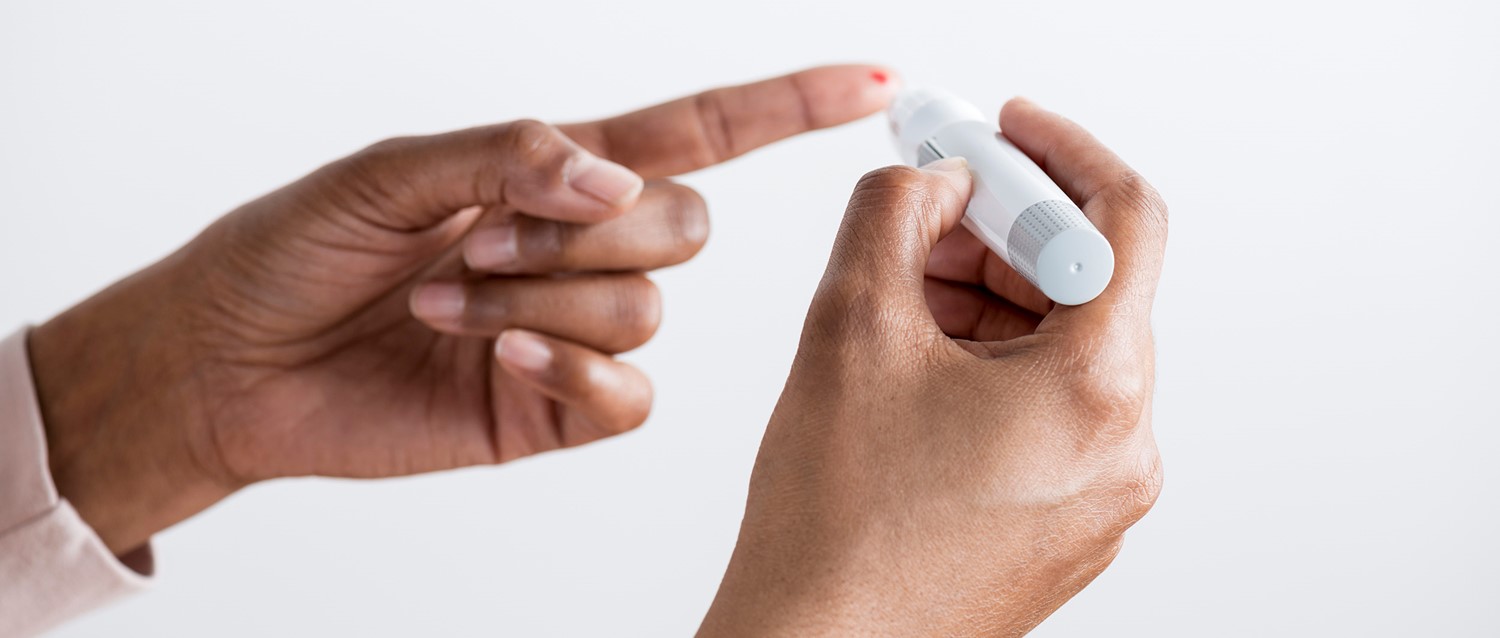
Diabetes
The future of diabetes treatment
How might the landscape of diabetes have changed by 2050? We asked leading diabetes physician Dr David Cavan, author of Reverse Your Diabetes and Reverse Your Diabetes Diet, for his predictions.
by Danny Chadburn
Diabetes
Video: What's the difference between type 1 and type 2 diabetes?
While they're both technically under the umbrella of diabetes, type 1 and type 2 are very different conditions which require a distinct set of treatments. We've looked at some of the main questions people have around each.
by Dr Sarah Jarvis
About the authorView full bio
Updated by

Victoria Raw
Feature Writer
BA (Hons), English Literature
Victoria is a content writer at Patient, with special interests spanning mental wellbeing, societal trends and the impact of technology on our health.
Authored by
Victoria Raw
Feature Writer
BA (Hons), English Literature
Victoria is a content writer at Patient, with special interests spanning mental wellbeing, societal trends and the impact of technology on our health.
About the reviewerView full bio

Dr Colin Tidy, MRCGP
General Practitioner, Medical Author
MBBS, MRCGP, MRCP (Paediatrics), DCH
Dr Colin Tidy is an NHS Doctor, based in Oxfordshire.
Article history
Article also available in English, German, Spanish, French, Italian, Portuguese, Hindi, Hebrew, Arabic, and Swedish.
Next review due: 7 Nov 2028
8 Nov 2025 | Latest version
3 Jun 2025 | Originally published
Authored by:
Victoria Raw
Join the conversation
Share your thoughts or experiences with others in our patient communities.

Ask, share, connect.
Browse discussions, ask questions, and share experiences across hundreds of health topics.

Feeling unwell?
Assess your symptoms online for free
Sign up to the Patient newsletter
Your weekly dose of clear, trustworthy health advice - written to help you feel informed, confident and in control.
By subscribing you accept our Privacy Policy. You can unsubscribe at any time. We never sell your data.