
What to do if you have problems with your eyes during lockdown
Peer reviewed by Dr Sarah JarvisAuthored by Andrea DowneyOriginally published 16 Jun 2020
Meets Patient’s editorial guidelines
- DownloadDownload
- Share
- Language
- Discussion
- Audio Version
- Add to preferred sources on Google
Having problems with your vision is a worrying experience - even more so when the country is following social distancing guidelines and some services are closed. But there are options available if you have eye trouble during lockdown.
Use Patient's coronavirus checker tool if you have any symptoms of fever, a new cough or loss of smell or taste. Until you have used the tool and been advised what action to take, please stay at home and avoid contact with other people.
While social distancing measures have been in place across the country, the way some health checks are undertaken has changed because face-to-face appointments were deemed too dangerous.
Among those services are optometrists and opticians. But that doesn't mean you haven't experienced problems with your vision. So, what should you do if you have problems with your eyes during lockdown?
Mr Amir Hamid, ophthalmic surgeon and Medical Director at Optegra eye hospital group and Dr Clare O'Donnell, optometrist and head of research at Optegra, explain how to care for your eyes while routine eye tests are suspended.
I can see clearly now
Plans are in place for optometrists to begin opening again later in June, Mr Hamid says, but some specialist eye hospitals are beginning to open their doors for vision correction procedures such as laser eye surgery and lens replacement surgery.
It is OK to wait until your optometrist is available to book a routine eye test, he explains, unless you have one of the 'red flag' symptoms below.
"Specialist eye hospitals, such as Optegra, are now re-opening their doors for vision correction surgery and a series of comprehensive eye tests are carried out within a consultation. Virtual consultations are also available for initial discussions with eye health experts.
"Should you need your glasses replaced - for example, if they have been lost or broken - most optometrists are able to provide an emergency service for this. It is usually by appointment only."
Regular treatments for eye-related conditions should not be skipped, Dr O'Donnell adds.
"If you receive regular injections for age-related macular degeneration, it is important that you maintain your current follow-up interval and attend your appointments as advised," she says.
"It is likely that if you have routine eye checks for diabetes your appointment will be carried out remotely or be delayed. In any case, you should contact your eye care practitioner to seek advice on whether you should or shouldn't attend."
Eye, eye
There are some instances which require urgent attention.
Emergency eye care is available both in the community via local optometrists or hospital A&E departments, he adds.
"If in doubt, contact your optometrist by telephone for advice first," Dr O’Donnell says.
"Ring your local optometrist who may see you that day and will certainly be able to advise."
Eye say
There are also a number of concerns you may have with your eyes that aren't urgent, such as infection and irritation.
We all know the discomfort of conjunctivitis, or the annoyance of hay fever, but you don't have to suffer through it.
"Your pharmacist can provide treatment for bacterial conjunctivitis (which commonly causes red, gritty, sticky eyes)," Dr O'Donnell explains.
"Sticky eyes can be cleaned with commercially available eyelid wipes, or if not available, with freshly boiled and cooled tap water and a clean cotton pad - a different one for each eye.
"If you develop an eye infection like conjunctivitis, avoid spreading it to others, by washing your hands frequently, avoiding touching your eyes and not sharing hand towels or face cloths with others."
If hay fever is the cause of your woes and you can't find eye drops at your local pharmacy, antihistamine tablets should help relieve itching and irritation.
Eye drops are also available for dry eyes, which can often be caused by looking at screens for prolonged periods of time. Regular screen breaks throughout the day can also protect your eyes from getting tired and sore.
Coronavirus: are our eyes at risk?
As we know, coronavirus symptoms include a continuous cough and fever. It can also affect our taste and smell, but can it affect our eyes?
Dr O'Donnell explains that some people may experience eye symptoms, but it's not a common problem.
"In a large study published in the New England Journal of Medicine, researchers documented 'conjunctival congestion' in 9 of 1,099 patients (0.8%) with laboratory-confirmed COVID-19 from 30 hospitals across China," she says.
"The British Emergency Eye Care Society is aware that COVID-19 patients may develop a red, watery eye during their illness. The condition will resolve without eye drops and therefore they advise not to go to your eye department."
At this stage it does not appear to affect vision.
Patient picks for Pandemic articles
COVID-19
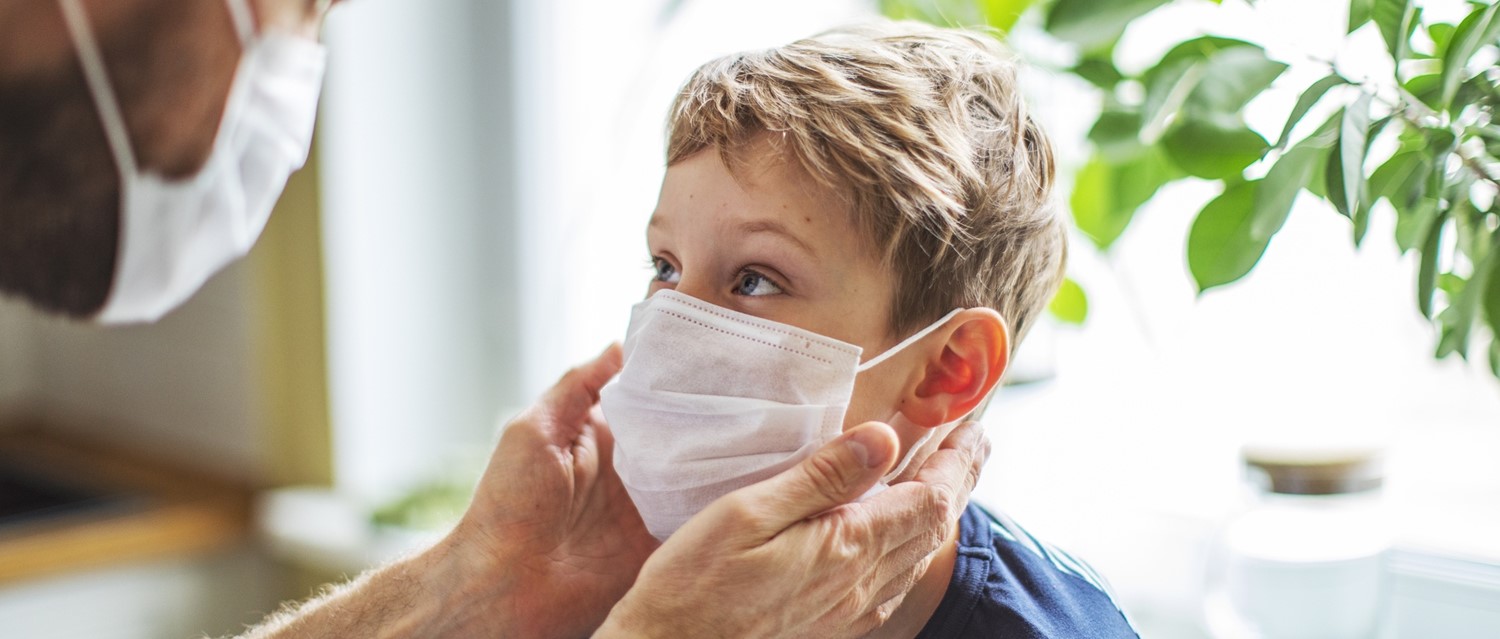
Tips to help your kids get used to face masks and coverings
As many schools now insist pupils over 11 wear masks in certain situations, lots of our children will be donning a face covering for the first time. But how should masks be worn? And how can we help our children to use them effectively?
by Gillian Harvey

COVID-19
Lockdown easing: what is the plan and is it realistic?
After a whole year in and out of lockdown and our lives turned upside down, it's a relief to many to hear the government announce its plans to ease COVID-19 restrictions over the next few months. But are they realistic?
by Milly Evans
About the author
Authored by

Andrea Downey
About the reviewerView full bio

Dr Sarah Jarvis
Clinical Consultant
MA (Cantab), BM, BCh (Oxon), DRCOG, FRCGP, MBE
After training in medicine at Cambridge and Oxford, Dr Sarah Jarvis MBE became a GP.
Join the conversation
Share your thoughts or experiences with others in our patient communities.

Ask, share, connect.
Browse discussions, ask questions, and share experiences across hundreds of health topics.

Feeling unwell?
Assess your symptoms online for free
Sign up to the Patient newsletter
Your weekly dose of clear, trustworthy health advice - written to help you feel informed, confident and in control.
By subscribing you accept our Privacy Policy. You can unsubscribe at any time. We never sell your data.