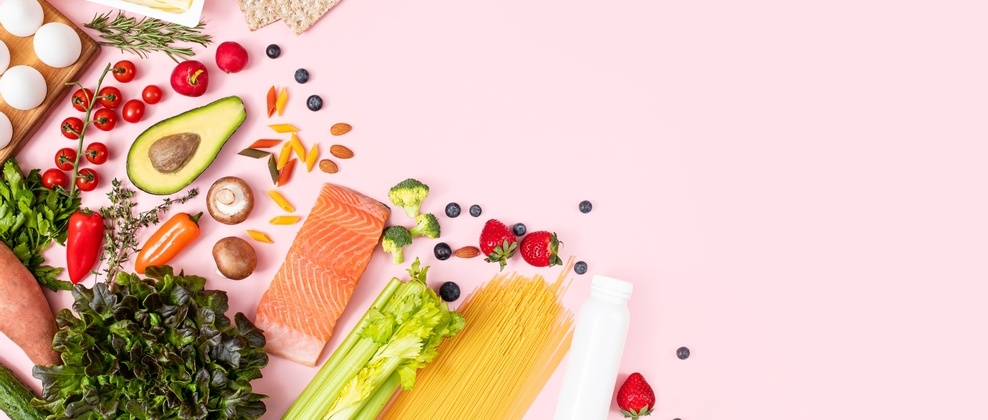
What to eat when breastfeeding
Peer reviewed by Dr Colin Tidy, MRCGPLast updated by Lawrence HigginsLast updated 30 Jun 2026
Meets Patient’s editorial guidelines
- DownloadDownload
- Share
- Language
- Discussion
- Audio Version
- Add to preferred sources on Google
When you're pregnant, chances are you'll be provided with bags of information about what to eat, which foods to avoid, and the supplements to take. But often, that guidance dries up once you've given birth.
So what are the best foods new mums should stock up on?
If you're breastfeeding, the general advice is to follow a healthy, balanced diet. But there are certain vitamins and minerals that have been shown to further support recovery and increase the nutritional quality of breast milk.1 So it's important you're getting enough of these.
Sophie, a mother of four, says that while breastfeeding her first child, she found herself incredibly hungry and was a little unprepared.
She reveals: "I found myself resorting to biscuits and chocolate with my first child. But I learned my lesson. After the birth of my next three children I made sure I had snack pot yoghurts and plenty of fruit and nuts to snack on through the day. Nuts were particularly good for when I was out and about."
Foods high in calcium
After birth, your body starts to produce milk which means it sacrifices a large amount of your body's calcium to make it.
So, to make sure that there is still enough for you and your baby's milk it is recommended that you consume an extra 550 milligrams (mg) a day of the mineral (1250 mg in total). Eating plenty of calcium-rich foods can help you meet these increased requirements.2
If calcium requirements aren't met this can lead to a weakening of bones which may, in later life, increase your risk of developing a bone disease such as osteoporosis.
Good sources of calcium include:
200 millilitres (ml) of milk = 240 mg calcium.
One 40 grams (g) slice of calcium-fortified bread = 191 mg calcium.
75 g serving of spring greens = 56 mg calcium.
1 medium (120 g) orange = 75 mg calcium.
Total = 562 mg of calcium.
Foods high in vitamin D
Vitamin D plays an important role in the body's absorption of calcium. You need it to make sure the calcium you are consuming actually gets into your system.
As well as taking a supplement, eating foods high in vitamin D can help you maintain healthy vitamin D levels.
It is recommended that regardless of the time of year, you take a 10 microgram (µg) supplement of vitamin D3 when pregnant and breastfeeding to make sure you are not deficient.
Good sources of vitamin D include:
A 140 g serving of baked salmon = 10.2 µg vitamin D.
140 g of grilled mackerel fillet = 11.9 µg vitamin D.
Two scrambled eggs = 3.4 µg vitamin D
Fortified foods such as cereal = 1.4 µg vitamin D per serving.
Foods high in iron
The demand for iron during pregnancy is high as it plays an important role in developing your baby. This and the fact that you can bleed for around six weeks after birth means running short of iron is a common problem after you've had a baby.
In general there is no need to increase intake from the 14.8 mg per day recommended for women 19-50 years of age. However, it is encouraged that to ensure that any lost iron is restored, you should be consuming iron-rich foods 2 to 3 times a day.
Not getting enough iron can lead you to feel tired, which is the last thing you need in the first few weeks of child care.
Good sources of iron include:
225 g beef rump steak = 8.1 mg iron.
30 g of dried figs = 1.2 mg iron.
Half a tin of baked beans = 2.9 mg iron.
Two slices of wholemeal bread = 1.8 mg iron.
30 g of hazelnuts = 1.3 mg iron.
Foods high in omega-3
Studies have shown that sufficient intake of omega-3 essential fatty acids can reduce levels of depression in woman after pregnancy. But one study found that a woman's omega-3 levels can reduce by one half during pregnancy and often don't get back to a normal level for six months after birth.
Therefore it is important to make sure that you are regularly consuming rich food sources and perhaps taking a supplement during pregnancy and after giving birth.
As a rule of thumb you should aim to eat at least two portions of fish a week - with at least one being oily - along with other non-fish sources of omega-3. This gives you the best chance to get enough of these important fatty acids from your diet.
Good sources of omega-3 include:
Fish - salmon, mackerel, fresh or frozen tuna, and sardines.
Non-fish sources - flaxseed, walnuts, pumpkin seeds, and soya products.
Postnatal meal plans
Make ahead
If you can in the later stages of pregnancy, perhaps when you are on maternity leave, make and freeze some nutritious meals that you can fall back on once the baby is born.
Chilli - vegetable or meat.
Soups.
Lasagne.
Shepherd's pie.
Stews.
Ratatouille.
Tory, a mother of two children aged under 5 years, said that making batches of things in advance was her secret: "You can just get it out of the freezer, pop it in the oven, and bang, a quick and easy meal with all the goodness of home cooking rather than relying on packets and jars."
Get organised
Many supermarkets now allow you to save a favourite shopping list online. If you can preselect this then all you will need to do each week is reorder your shop and have it delivered to your door without having to enter the supermarket or roam the endless lists of foods on the supermarket website - add omega-3-rich salmon to your shopping list.
If you don't have time to make dishes ahead but you or your partner still want to cook, there are a few different companies that can accommodate. You simply go online, select your meals for the week and they send you exactly what you need to make each dish - easy. It is worth noting that although convenient, this option is not so cost-effective at a time when spending is already high for your new family.
Danny, a recent new father, advises: "Try to ensure you have meals and snacks that you can eat with one hand. That way you and your partner can always eat together, even if one of you is having to hold the baby"
Keep healthy snacks within easy reach
Whilst caring for a newborn baby your normal sleeping patterns can be thrown out of the window - and with it your eating habits.
To prevent you from reaching for the biscuit tin make sure you stock up on nourishing easy to eat snacks that you can nibble on as and when you can:
Nuts and nut butters.
Crispbreads.
Yoghurts.
Crudités and hummus.
Fruit.
Tinned fish.
Patient picks for Baby feeding
Children's health
How to manage breastfeeding when you return to work
Going back to work after maternity leave can be a shock to the system. It might be the first time you’ve been away from your baby for longer periods of time - and it can be exhausting to juggle being a parent while working. If you’ve been breastfeeding, you might be worried about how to continue with it, but there are ways to make it work.
by Lawrence Higgins
Children's health
How the pressure to breastfeed can impact mental health
The phrase 'breast is best' is commonly heard by expectant mothers, but it can leave women feeling pressured, stressed and guilty if they are struggling to breastfeed. Although nursing might come easily to some new mothers, breastfeeding is often painful and difficult to establish, with milk supply issues a reality for many. However, instead of being supported, lots of women feel judged for turning to formula feeding. This can have a negative impact on their mental health.
by Lydia Smith
About the authorView full bio
Updated by

Lawrence Higgins
Managing editor
BSc, Post Graduate Diploma
Lawrence has worked as both Managing Editor of Patient.info and a contributing author. He is also a member of the Guild of Health Writers.
Authored by

Rose Constantine Smith, ANutr
Nutritionist
BSc (Hons), ANutr
Rose has authored for several publications including The Healthy Food Guide and is a Nutrition and Wellbeing Manager for The Good Eating Co.
About the reviewerView full bio

Dr Colin Tidy, MRCGP
General Practitioner, Medical Author
MBBS, MRCGP, MRCP (Paediatrics), DCH
Dr Colin Tidy is an NHS Doctor, based in Oxfordshire.
Article history
Article also available in English, German, Spanish, French, Italian, Portuguese, Hindi, Hebrew, Arabic, and Swedish.
Next review due: 30 Jun 2029
30 Jun 2026 | Latest version
14 Nov 2017 | Originally published
Authored by:
Rose Constantine Smith, ANutr
Join the conversation
Share your thoughts or experiences with others in our patient communities.

Ask, share, connect.
Browse discussions, ask questions, and share experiences across hundreds of health topics.

Feeling unwell?
Assess your symptoms online for free
Sign up to the Patient newsletter
Your weekly dose of clear, trustworthy health advice - written to help you feel informed, confident and in control.
By subscribing you accept our Privacy Policy. You can unsubscribe at any time. We never sell your data.