Swap beef for chicken to reduce breast cancer risk, suggests study
Peer reviewed by Natalie HealeyAuthored by Ashwin BhandariOriginally published 7 Aug 2019
Meets Patient’s editorial guidelines
- DownloadDownload
- Share
- Language
- Discussion
- Audio Version
- Add to preferred sources on Google
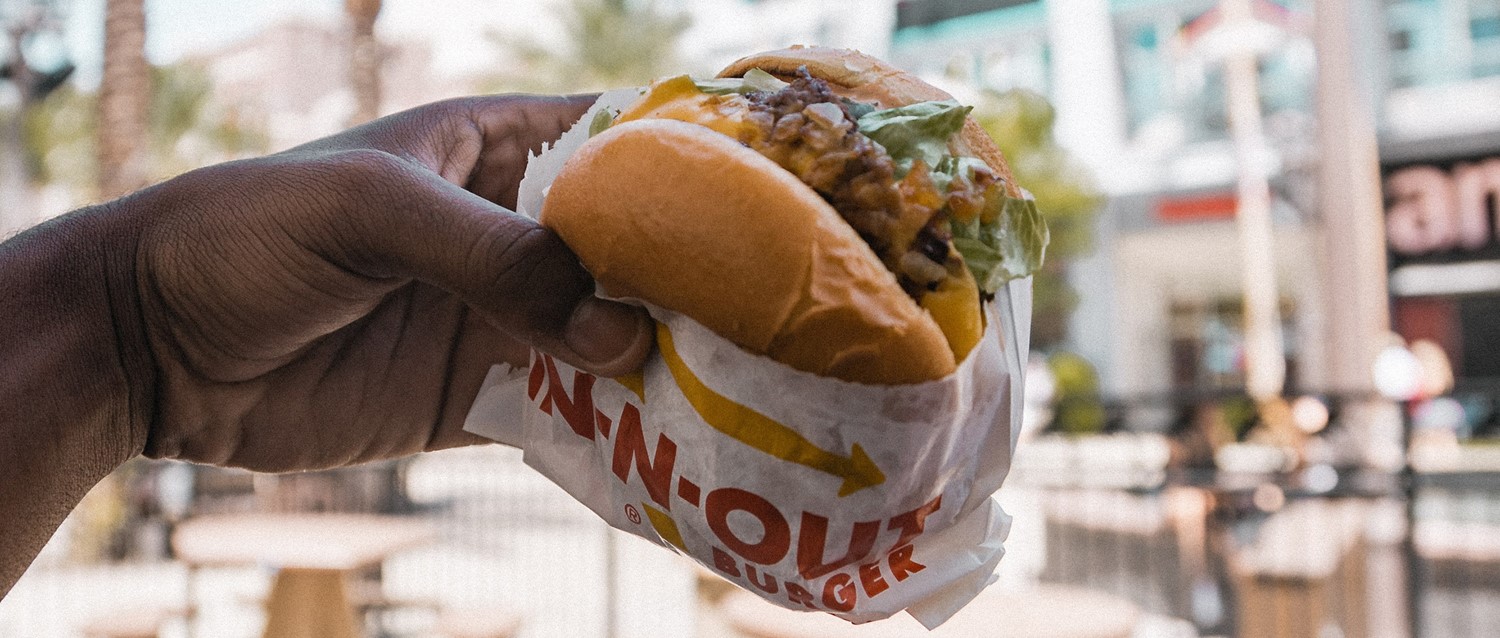
Switching from red meat to white may reduce the risk of developing breast cancer by more than a quarter, according to a new study.
The findings suggest red meat consumption may increase the risk of breast cancer, whereas poultry may protect against the disease.
Scientists in the US analysed dietary data from 42,000 women over eight years. When the participants were followed up, 1,500 had been diagnosed with breast cancer.
The women who ate the most amount of red meat increased their risk of cancer by 23%, compared to those who ate the lowest amount. But eating poultry was associated with a decreased breast cancer risk. Those who ate the most poultry had a 15% lower risk than those with the lowest consumption. The women who swapped red meat for poultry reduced their risk by 28%.
Lead author Dr Dale Sandler, from the National Institute of Environmental Health Sciences, said: "Red meat has been identified as a probable carcinogen. While the mechanism through which poultry consumption decreases breast cancer risk is not clear, our study does provide evidence that substituting poultry for red meat may be a simple change that can help reduce the incidence of breast cancer."
However, Dr Clare Shaw, consultant dietician at The Royal Marsden NHS Foundation Trust, pointed out the limitations of the press release which accompanied the paper. The association was no longer there once factors such as smoking, weight and alcohol consumption were taken into account, she pointed out. Also, the research found an association relationship, rather than one of cause and effect.
"It is also important to highlight that the group of women in the study all had close relatives that had been diagnosed with cancer. This in itself could be a significant factor and should be acknowledged," she added.
Dr Mieke Van Hemelrijck, reader in Cancer Epidemiology, King's College London, said that despite the study showing a correlation rather than cause and effect, "the results could be used to help us further understand how diet may have an influence on the development of cancer".
The study was published in the International Journal of Cancer.
Patient picks for Breast cancer
Cancer
What to expect during a breast screening
To help detect early breast cancers, all women in the UK aged 50 to their 71st birthday are invited for NHS breast screening every three years. We ask the experts the important questions about breast screening and find out what to expect during the procedure.
by Sally Turner
Cancer
Why we all need to be 'breast aware'
1 in 8 UK women will get breast cancer in a lifetime. Fortunately, a combination of early diagnosis and more effective treatments means far more women than ever are surviving. But it's crucial to know what to look out for.
by Dr Sarah Jarvis
About the authorView full bio
Authored by

Ashwin Bhandari
Medical Writer
BA Journalism
About the reviewerView full bio

Natalie Healey
Freelance journalist
BSc (Hons) Biomedical Science
She is a London-based health journalist who has been writing about science and medicine for several years. She is the former head of editorial at Patient.
Article history
Article also available in English, German, Spanish, French, Italian, Portuguese, Hindi, Hebrew, Arabic, and Swedish.
7 Aug 2019 | Originally published
Authored by:
Ashwin BhandariPeer reviewed by
Natalie Healey
Join the conversation
Share your thoughts or experiences with others in our patient communities.

Ask, share, connect.
Browse discussions, ask questions, and share experiences across hundreds of health topics.

Feeling unwell?
Assess your symptoms online for free
Sign up to the Patient newsletter
Your weekly dose of clear, trustworthy health advice - written to help you feel informed, confident and in control.
By subscribing you accept our Privacy Policy. You can unsubscribe at any time. We never sell your data.