
New blood test may detect aggressive prostate cancer
Peer reviewed by Joe CrowtherAuthored by Ashwin BhandariOriginally published 16 Sept 2019
Meets Patient’s editorial guidelines
- DownloadDownload
- Share
- Language
- Discussion
- Audio Version
- Add to preferred sources on Google
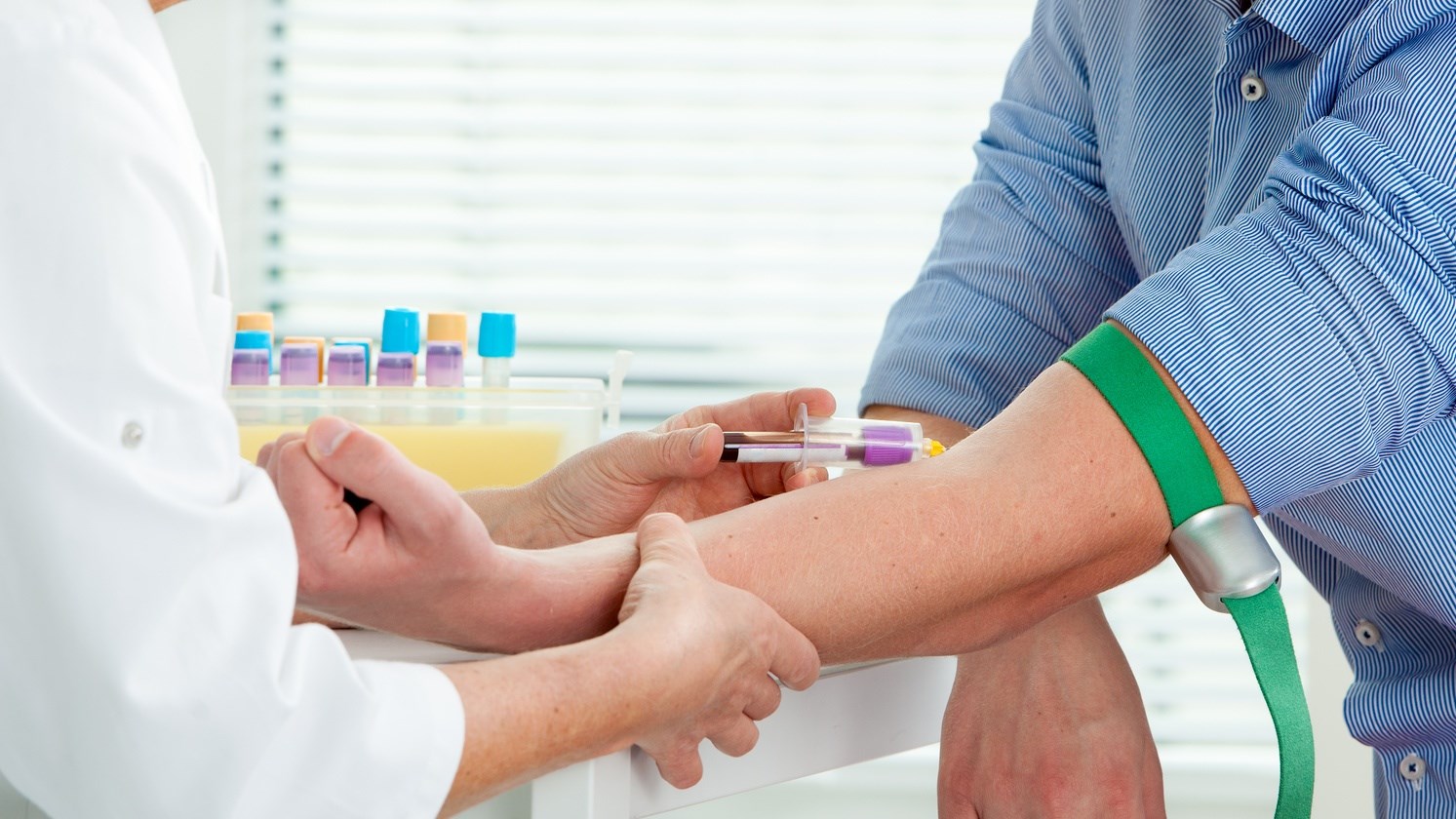
A new blood test has been found to accurately detect the presence of aggressive prostate cancer, according to research by Queen Mary University of London.
By combining the current prostate specific antigen (PSA) test with the new test (the circulating tumour cell (CTC) test, this could help men avoid unnecessary and invasive biopsies, over-diagnosis and over-treatment.
Prostate cancer is currently detected using a blood test that measures PSA levels. Although it provides early diagnosis, 75% of all PSA positive results ending up with negative biopsies that do not find cancer.
The study, published in the Journal of Urology, looked at the use of the CTC test in almost 100 pre-biopsy patients and over 150 newly diagnosed prostate cancer patients at St Bartholomew's Hospital in London.
The research team found that the presence of CTCs in pre-biopsy blood samples was indicative of the presence of aggressive prostate cancer, and efficiently and non-invasively predicted the later outcome of biopsy results.
When the CTC tests were used in combination with the current PSA test, it was able to predict the presence of aggressive prostate cancer in other biopsies with over 90% accuracy.
The test could also show how aggressive the cancer is. Focusing on more aggressive prostate cancer may reduce overtreatment and unnecessary biopsies for benign and non-aggressive conditions.
Lead researcher Professor Yong-Jie Lu from Queen Mary University of London said: "The current prostate cancer test often leads to unnecessary invasive biopsies and over-diagnosis and over-treatment of many men, causing significant harm to patients and a waste of valuable healthcare resources. There is clearly a need for a better selection process for patients to undergo the biopsy procedure.
"Testing for circulating tumour cells is efficient, non-invasive and potentially accurate, and we've now demonstrated its potential to improve the current standard of care. By combining the new CTC analysis with the current PSA test, we were able to detect prostate cancer with the highest level of accuracy ever seen in any biomarker test, which could spare many patients unnecessary biopsies. This could lead to a paradigm shift in the way we diagnose prostate cancer," he added.
Due to the small sample size, the findings will need to be validated by further studies. However, researchers said the CTC test could be available on the NHS in as little as three years if successful.
Sara Hiom, Cancer Research UK's director of early diagnosis, said: "It's early days, so the next steps would be to study a larger number of people."
Patient picks for Male cancer
Cancer
PSA testing options
The prostate specific antigen (PSA) test is a blood test used to see if you might have prostate cancer and to monitor treatment for prostate cancer. The PSA test does not tell you for certain whether you have prostate cancer.
by Dr Colin Tidy, MRCGP

Cancer
Is it prostate cancer or something else?
One in eight men in the UK will get prostate cancer - but the earlier you spot it, the easier it is to treat. However, many of the symptoms of prostate cancer are the same as those caused by several less serious conditions. Here we look at the signs to look out for and when to speak to your doctors.
by Lawrence Higgins
About the authorView full bio
Authored by

Ashwin Bhandari
Medical Writer
BA Journalism
About the reviewer

Joe Crowther
Join the conversation
Share your thoughts or experiences with others in our patient communities.

Ask, share, connect.
Browse discussions, ask questions, and share experiences across hundreds of health topics.

Feeling unwell?
Assess your symptoms online for free
Sign up to the Patient newsletter
Your weekly dose of clear, trustworthy health advice - written to help you feel informed, confident and in control.
By subscribing you accept our Privacy Policy. You can unsubscribe at any time. We never sell your data.