Can the MIND diet help keep our brains healthy?
Peer reviewed by Dr Colin Tidy, MRCGPLast updated by Lynn StephenLast updated 2 Dec 2025
Meets Patient’s editorial guidelines
- DownloadDownload
- Share
- Language
- Discussion
- Audio Version
- Add to preferred sources on Google
What you eat can help keep your body and brain healthy. And whilst getting older is the biggest risk factor for dementia, research suggests up to 1 in 3 cases may be preventable with lifestyle changes. The MIND diet is touted for its brain-boosting benefits, but what does it include - and can it really help to protect our brains?
What is the MIND diet?
The MIND diet is a combination of the DASH diet and the Mediterranean diet, with a focus on foods that can boost brain health.
US nutritionist Dr Martha Clare Morris developed MIND - Mediterranean-DASH Intervention for Neurodegenerative Delay - to see how what we eat can lower the chance of dementia and to stop our brain power declining as we get older.
The Mediterranean diet focuses on eating foods that are as natural as possible, while limiting unhealthy fats and red meat. The DASH diet is designed to prevent or lower high blood pressure and encourages people to eat healthy foods that contain less salt.
In 2015, Morris and her team published a study that found that people who followed the Mediterranean and DASH diets had better levels of brain function compared to people who didn’t follow those diets. The study also found that eating whole grains, leafy greens, nuts, and berries were also associated with better brain health1.
MIND diet foods to eat
Sophie Medlin, director and specialist dietitian at City Dietitians and chair of the British Dietetic Association (BDA) for London, says the MIND diet encourages you to eat foods that contain nutrients that protect the brain and make it function at its best.
The main foods to eat on MIND include:
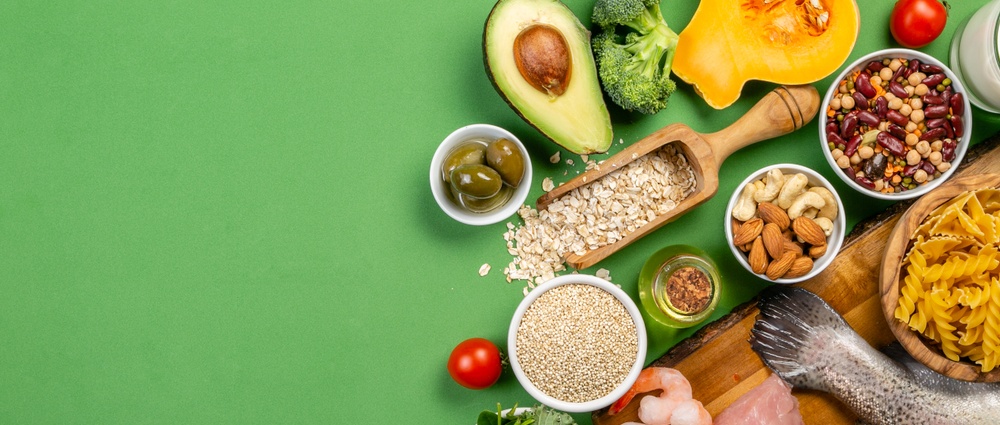
Whole grains.
Vegetables - especially green leafy vegetables.
Nuts.
Beans.
Berries.
White meat.
Fish.
“Fish oils are particularly important for preserving the structure of the brain and berries are shown to improve brain function, including memory and focus,” adds Medlin.
These foods contain high levels of health-giving antioxidants which protect the cells of the body from DNA damage and reduce inflammation. Oxidative stress can cause damage to organs and contributes to diseases such as dementia, cancer and heart disease.
The MIND diet foods contain nutrients such as vitamin C, Omega 3, B vitamins, magnesium, zinc, and iron, which all contribute to overall brain function.
Recommended servings
3+ servings a day of whole grains.
1+ servings a day of vegetables - other than green leafy ones.
6+ servings a week of green leafy vegetables.
5+ servings a week of nuts.
4+ meals a week of beans.
2+ servings a week of berries.
2+ meals a week of poultry.
1+ meals a week of fish.
Use olive oil if added fat is used.
Foods to avoid on the MIND diet
The MIND diet encourages you to limit your consumption of these foods:
Pastries and sweets.
Red meat.
Cheese.
Fried foods.
Butter and margarine.
These foods are processed or contain a lot of sugar, which can be harmful to our brain function.
Recommended servings
Unhealthy foods are allowed, but should be limited to less than:
1 tablespoon of butter a day.
1 cheese serving a week.
4 portions of red meat a week.
1 serving of fast food or fried food items a week, on average.
5 servings of pastries or sweets a week.
Does the MIND diet work?
Medlin explains that the MIND diet has been well-researched and there is huge credibility behind its potential to reduce brain health decline.
She says: “The 2015 study found that the higher the MIND diet score, the slower the rate of brain health decline in comparison to those with a low MIND diet score.”
In this study, Morris and her team conducted studies of the MIND diet for nearly a decade, working with a group of 923 participants. The results showed that people who stuck rigidly to the diet had a 53% lower chance of Alzheimer's disease - and those who followed the diet moderately well had a 35% lower chance. The longer a person followed the diet, the better protected they were from developing the condition.
Other studies have linked the MIND diet to a slower rate of brain health decline after stroke, better verbal memory in later life and larger total brain volume. However, more research is needed over a longer period to see how the MIND diet may affect people long-term.
Benefits of the MIND diet
Unlike many other diets, the MIND diet doesn’t include meal plans so you have to make your own recipes based on the foods included. You aren’t restricted to only eating these foods, too. Although this means the plan is more flexible, it may be challenging for people who don’t cook.
MIND diet recipes
Breakfast: Porridge with berries and nuts - make the porridge with semi-skimmed milk and top with berries, nuts, and seeds for a healthy breakfast.
Lunch: Bean burgers - swap beef for a burger patty made with beans. Serve in a wholemeal bun with salad and home-made sweet potato fries.
Evening meal: Baked salmon with roasted sweet potatoes and broccoli - roast the potatoes in olive oil and add dried herbs for flavour.
Further reading
Patient picks for Diet

Diet and nutrition
Is the Okinawa diet a recipe for longevity?
Once called the land of immortals, the island of Okinawa is home to some of the world's oldest and healthiest residents. These centenarians grew up eating a traditional Okinawa diet, with the ingredients available to them. We speak to an expert about replicating this way of eating, to promote healthy ageing and longevity - no matter where in the world you are. Hint: it's not just what you eat, but how.
by Lynn Stephen
Diet and nutrition
Simple ways to follow a Mediterranean diet
A Mediterranean diet conjures up an image of fresh fish and colourful salads doused in olive oil, washed down with a glass of red wine - all while sitting in the sun of course. While we may not have reliable sunshine in the UK, we can certainly tap into the wide-ranging health benefits offered by the Mediterranean diet.
by Lynn Stephen
About the authorView full bio
Updated by

Lynn Stephen
Content developer
MA (Hons)
Lynn joined Patient in 2023 and her role includes checking all the professional leaflets, patient information leaflets and medicine leaflets, to ensure consistency of spelling, grammar, reference material and brand style, working with the medical authors and clinical director to coordinate the authoring and peer reviewing of the leaflets.
Authored by

Lydia Smith
Feature writer
BA, MA, MSc
Lydia Smith is an award-winning journalist and feature writer who has written extensively on women's health and mental health. She is currently studying for an MSc in psychology.
About the reviewerView full bio

Dr Colin Tidy, MRCGP
General Practitioner, Medical Author
MBBS, MRCGP, MRCP (Paediatrics), DCH
Dr Colin Tidy is an NHS Doctor, based in Oxfordshire.
Article history
Article also available in English, German, Spanish, French, Italian, Portuguese, Hindi, Hebrew, Arabic, and Swedish.
Next review due: 2 Dec 2028
2 Dec 2025 | Latest version
11 Oct 2023 | Originally published
Authored by:
Lydia Smith
Join the conversation
Share your thoughts or experiences with others in our patient communities.

Ask, share, connect.
Browse discussions, ask questions, and share experiences across hundreds of health topics.

Feeling unwell?
Assess your symptoms online for free
Sign up to the Patient newsletter
Your weekly dose of clear, trustworthy health advice - written to help you feel informed, confident and in control.
By subscribing you accept our Privacy Policy. You can unsubscribe at any time. We never sell your data.