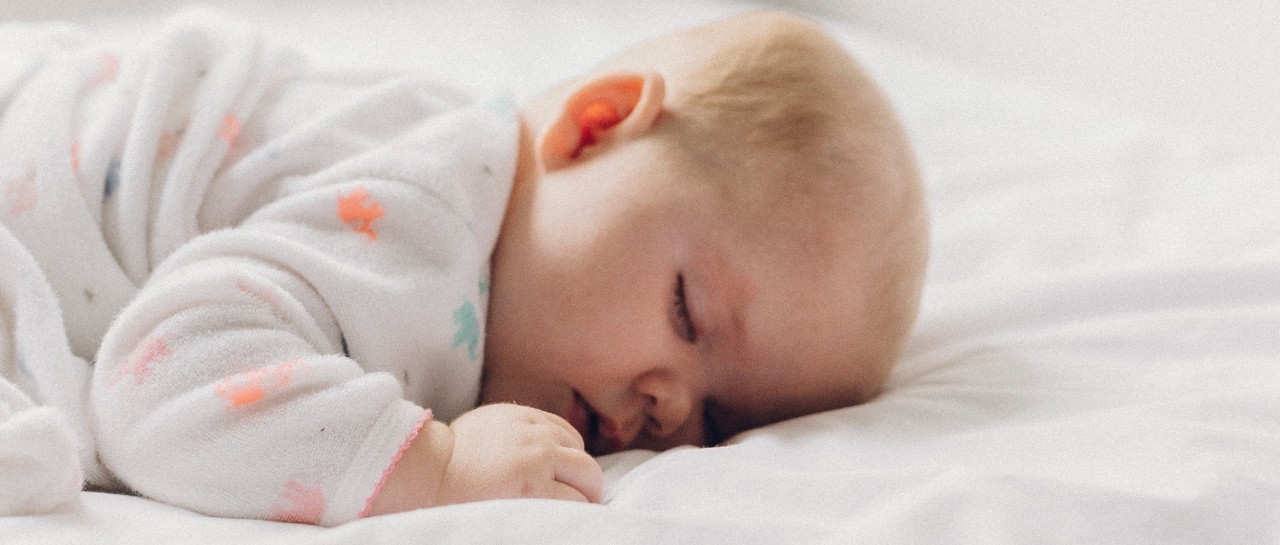
Experts dispute new study linking C-section births to autism
Peer reviewed by Natalie HealeyAuthored by Milly EvansOriginally published 30 Aug 2019
Meets Patient’s editorial guidelines
- DownloadDownload
- Share
- Language
- Discussion
- Audio Version
- Add to preferred sources on Google
A new review of the evidence has found that caesarean sections are associated with autism and ADHD. But the results are being disputed by clinicians and experts who say that C-sections don't cause developmental disorders.
Sign up for our free 8-week Healthy Pregnancy course!
Each week we’ll share useful information and essential tips on topics such as nutrition, exercise, mental health, symptoms to look out for, and preparing for childbirth, to help you navigate your pregnancy journey whatever stage you are at.
By subscribing you accept our Privacy Policy. You can unsubscribe at any time. We never sell your data.
The analysis, published in JAMA Network Open, looked at previous studies including data from more than 20 million births, finding that there was a marginally increased risk of a child developing autism or ADHD if they were delivered through caesarean section. The findings combined 61 studies from 19 countries dating back to 1999. However, the study did not suggest that caesarean deliveries cause autism or ADHD, only that there was an association.
The association found was very small. Children delivered by caesarean section were 1.33 times more likely to develop autism and 1.17 times more likely to develop ADHD. The risk of being diagnosed with autism or ADHD is already low, at around 1% and 7% for autism and ADHD respectively. This means that the risk of a child developing autism increases to around 1.33% if they are born via caesarean section rather than vaginally.
Both ADHD and autism are developmental disorders. Autistic spectrum conditions affect how someone communicates with and relates to other people. ADHD affects behaviour including concentration, hyperactivity and difficulty staying focused
The results and reporting of this meta-analysis are being contested by experts as an association between caesarean sections and developmental disorders does not mean that delivery by caesarean section causes ADHD and autism.
There are many factors which increase the chances of someone choosing or needing a caesarean section rather than a vaginal birth. Women who are obese and older, as well as those who have a history of immune conditions like asthma, are more likely to have a caesarean section, says Andrew Whitehouse, Professor of Autism Research at the Telethon Kids Institute and the University of Western Australia.
"All of these factors have also been linked with an increased chance of having a child with autism, and it is entirely possible - and some would argue, probable - that it is more likely these factors underlie the relationship between caesarean section and neurodevelopmental disorders," he said in an article for The Conversation.
The researchers have said that more research is necessary in order to find the factors behind the association between caesarean sections and developmental disorders.
"This systematic review and meta-analysis shows an association between caesarean birth and autism and ADHD, but a number of underlying factors which may have led to the development of these conditions were not accounted for. Therefore, the findings of this paper do not show that caesarean birth leads to autism and ADHD," said Dr Pat O'Brien, Consultant Obstetrician and Spokesperson for the Royal College of Obstetricians and Gynaecologists.
"Women who have a caesarean birth should be reassured that it is a safe procedure. In many cases, a caesarean birth can be a lifesaving intervention, as well as the right choice for mother and baby. The vast majority of caesareans in the UK are performed for medical reasons, and should a woman request a caesarean, this should be fully supported in line with guidance from The National Institute for Health and Care Excellence."
This study was published in JAMA Network Open.
Patient picks for Labour and childbirth
Pregnancy
The best form of childbirth for you and your baby
In 2005, the Royal College of Midwives (RCM) started the Campaign for Normal Birth, an initiative to increase the number of births that happened ‘naturally, and without medical intervention’. In August 2017, banner headlines in the newspapers announced that the campaign was no more – but actually, this was no sudden decision.
by Dr Sarah Jarvis

Pregnancy
How to cope with a fear of childbirth
Every pregnant woman will have some degree of concern about what childbirth will feel like, how they will manage and what might happen. For some, though, the fear can become physically and emotionally disabling and prevent them from having children altogether, even if they want a baby. Tokophobia is defined as an extreme fear or phobia of childbirth.
by Lydia Smith
About the authorView full bio
Authored by

Milly Evans
Editor
Milly writes on a range of health topics, with a particular interest in health inequality and sexual health.
About the reviewerView full bio

Natalie Healey
Freelance journalist
BSc (Hons) Biomedical Science
She is a London-based health journalist who has been writing about science and medicine for several years. She is the former head of editorial at Patient.
Article history
Article also available in English, German, Spanish, French, Italian, Portuguese, Hindi, Hebrew, Arabic, and Swedish.
30 Aug 2019 | Originally published
Authored by:
Milly EvansPeer reviewed by
Natalie Healey
Join the conversation
Share your thoughts or experiences with others in our patient communities.

Ask, share, connect.
Browse discussions, ask questions, and share experiences across hundreds of health topics.

Feeling unwell?
Assess your symptoms online for free
Sign up to the Patient newsletter
Your weekly dose of clear, trustworthy health advice - written to help you feel informed, confident and in control.
By subscribing you accept our Privacy Policy. You can unsubscribe at any time. We never sell your data.