How to prevent muscle loss on Mounjaro
Peer reviewed by Dr Colin Tidy, MRCGPAuthored by Bogomila ToshevaOriginally published 14 May 2026
Meets Patient’s editorial guidelines
- DownloadDownload
- Share
- Language
- Discussion
- Audio Version
- Add to preferred sources on Google
Rapid weight loss from weight loss injections like Mounjaro can come with a hidden trade-off - muscle loss.
Losing too much muscle along the way can leave people feeling weaker, more fatigued, and less supported in the long term.
So how do you lose weight without losing muscle too?
Experts share the key habits that can help minimise muscle loss while using Mounjaro - including how to eat, train, and recover well during weight loss.
Why does muscle loss happen on Mounjaro?
Muscle loss on Mounjaro usually happens as a side effect of rapid weight loss - not because the medication is directly damaging muscle tissue.
When people lose weight, they typically lose a combination of body fat and lean mass, including muscle.
Because Mounjaro reduces appetite and slows digestion, many people naturally eat less and feel full for longer. Over time, that can make it harder to eat enough calories and protein to properly support muscle maintenance.
There are a few key reasons muscle loss can happen on Mounjaro:
Lower calorie intake - eating significantly less can leave the body without enough energy to maintain muscle tissue.
Not enough protein - protein provides the amino acids needed for muscle repair and muscle protein synthesis.
Less resistance training - without strength-based exercise, the body has less reason to preserve lean muscle during weight loss.
Rapid weight loss - faster rates of weight loss are often associated with greater lean mass loss alongside fat loss.
Research on tirzepatide, the active ingredient in Mounjaro, shows that most weight lost tends to come from body fat rather than muscle.
Still, some lean mass loss can occur, which is why experts recommend focusing on muscle-preserving habits from the beginning - including adequate protein intake, resistance training, and recovery.1
How does muscle loss affect the body
Muscle plays an important role in:
Strength and physical function.
Balance and mobility.
Recovery and resilience.
Glucose regulation.
Long-term metabolic health.
When muscle mass declines, some people may notice feeling weaker, tiring more easily, or feeling less steady.
This is one reason body composition can be more helpful to think about than weight alone. Weight can change in many ways, but what often matters most for health and function is how much muscle is supported alongside any reduction in body fat.
“Weight loss and health improvement are not always exactly the same thing. Muscle mass supports strength, function, and metabolic health, which is why it deserves care and attention throughout a weight loss journey.”
- Bogomila Tosheva, Wellbeing Coaching Lead at Genwell
How much muscle loss is normal?
Some lean weight loss is normal, including with Mounjaro.
The aim is not to prevent each minor change in lean mass. Rather, it is to support the best possible balance between fat loss and lean mass preservation.
There are a few questions that can help if you are unsure where to begin:
Are you eating enough overall?
Are you meeting your protein needs?
Are you preserving strength?
Are you able to include some form of resistance-based movement?
A small amount of lean mass loss may be expected during weight loss, but if weight is dropping quickly and you are also feeling more tired, weaker, or less well-supported, it may be worth taking a closer look at how your body is coping.
Who is most at risk of muscle loss?
Some people may be more vulnerable to muscle loss than others.
This can include:
Older adults.
People who already have lower muscle mass.
People whose appetite has reduced significantly.
People finding it difficult to meet their protein needs.
People losing weight very rapidly.
People who are less able to do strength-based movement.
People recovering from illness or inactivity.
People with a long history of restrictive dieting or weight cycling.
Risk can rise when appetite is low, and there is insufficient support for overall food intake, protein, or movement. This is why people would benefit from greater support, structure, and flexibility as they adjust to medication.2
“People most at risk of muscle loss are often those finding it hardest to eat enough or meet their needs consistently. That is exactly why a supportive, flexible approach to nutrition matters so much on GLP-1 medications.” - Bogomila Tosheva
How to prevent muscle loss on Mounjaro
Supporting muscle mass on Mounjaro usually comes back to a few foundations:
Prioritising protein.
Building balanced meals.
Eating enough overall.
Getting support early, if needed.
Including some form of strength-based movement where possible.
1. Prioritise protein
When appetite is reduced, protein intake can sometimes fall without it being obvious. But protein is important for muscle preservation, recovery, satiety (feeling fuller for longer), and overall nutritional adequacy.
For people using GLP-1 medications, an intake of around 1.0-1.6 g per kg of body weight may be appropriate, depending on the person and their activity levels.
A practical way to approach this is to aim for around 30 g of protein per meal, spread throughout the day.
Protein-rich options can include:
Eggs.
Greek yoghurt, skyr, cottage cheese.
Chicken, turkey, lean meat.
Fish and seafood.
Tofu, tempeh, edamame.
Lentils, chickpeas, beans.
Protein-enriched dairy or plant alternatives.
Protein shakes where helpful.
2. Build balanced meals
Protein matters, but it’s important to ensure all your nutrient needs are met.
A helpful guide is:
¼ plate protein.
¼ plate complex carbohydrates.
½ plate non-starchy vegetables.
Plus a source of healthy fats.
This kind of structure can help support energy, blood glucose stability, fibre intake, and overall nutritional adequacy.
Carbohydrates can support energy and training capacity. Fats support hormone health, vitamin absorption, satiety, and enjoyment of food. Muscle preservation is best supported by adequate, balanced eating.
3. Eat enough overall
This is important. Even with adequate protein intake, your body still needs sufficient overall energy to support basic functioning, recovery, movement, and tissue maintenance.
Sometimes, when appetite becomes much quieter, it can be easy to assume that eating very little is a sign that the medication is working well.
But the goal is not to eat as little as possible. The goal is to support calmer, more manageable eating patterns, though still meeting your needs.
Signs you may not be eating enough can include:
Dizziness.
Fatigue.
Headaches.
Weakness.
Nausea worsened by long gaps without food.
Constipation.
Poor concentration.
Very rapid weight loss.
If that is happening, it can be a sign that your body would benefit from more support.
For more guidance on what to eat when taking Mounjaro, see the article Mounjaro diet: Foods to eat and avoid.
4. Get support early if eating feels too difficult
If nausea, bloating, fullness, or low appetite are making it hard to eat enough, it can really help to address that early.
Helpful strategies can include:
Smaller, steadier meals.
Softer or easier-to-digest foods.
Prioritising protein earlier in the day.
Using practical options such as yoghurts, soups, smoothies, or protein shakes.
If intake remains very low or symptoms persist, it is important to speak with your prescriber.
5. Strength train if you can
If protein is one part of the muscle-preservation picture, strength-based training is another.
This could include:
Gym-based strength training.
Home dumbbell workouts.
Resistance bands.
Bodyweight exercises.
Pilates with progressive overload.
Working with a trainer if you are new to lifting.
If you are new to exercise, starting with something you genuinely enjoy and can look forward to can make it much easier to incorporate into your life.
What happens to your muscles when you stop taking Mounjaro?
What happens after stopping Mounjaro can depend on the support in place during treatment.
If you were able to eat enough, prioritise protein, and include some form of strength-based movement, you may be in a better position to maintain muscle mass and overall body composition.
If eating felt difficult for long periods or if lean mass declined during treatment, stopping the medication does not instantly reverse that.
This is one reason why time on Mounjaro can be such a great opportunity to build habits that support your body composition and metabolic health beyond weight loss.
Summary
Weight loss on Mounjaro is not just about seeing the number on the scale go down. Experts say protecting muscle mass is equally important for supporting strength, energy, metabolic health, and long-term physical function.
Key strategies for preventing muscle loss on Mounjaro include eating enough overall, prioritising protein, spreading protein intake throughout the day, eating balanced meals, incorporating regular strength training, and seeking support early if eating becomes difficult.
Patient picks for Muscles
Bones, joints and muscles
How to build muscle mass after weight loss treatment
Losing a significant amount of weight - especially if it happens too quickly - can have a negative impact on your muscle health. Your body may break down muscle tissue to use as energy, leaving you weaker and less resilient. That’s why it’s important to focus on rebuilding and strengthening your muscles, so you can restore what was lost and support your long-term health.
by Victoria Raw
Healthy living
Mounjaro weight loss injections: FAQs
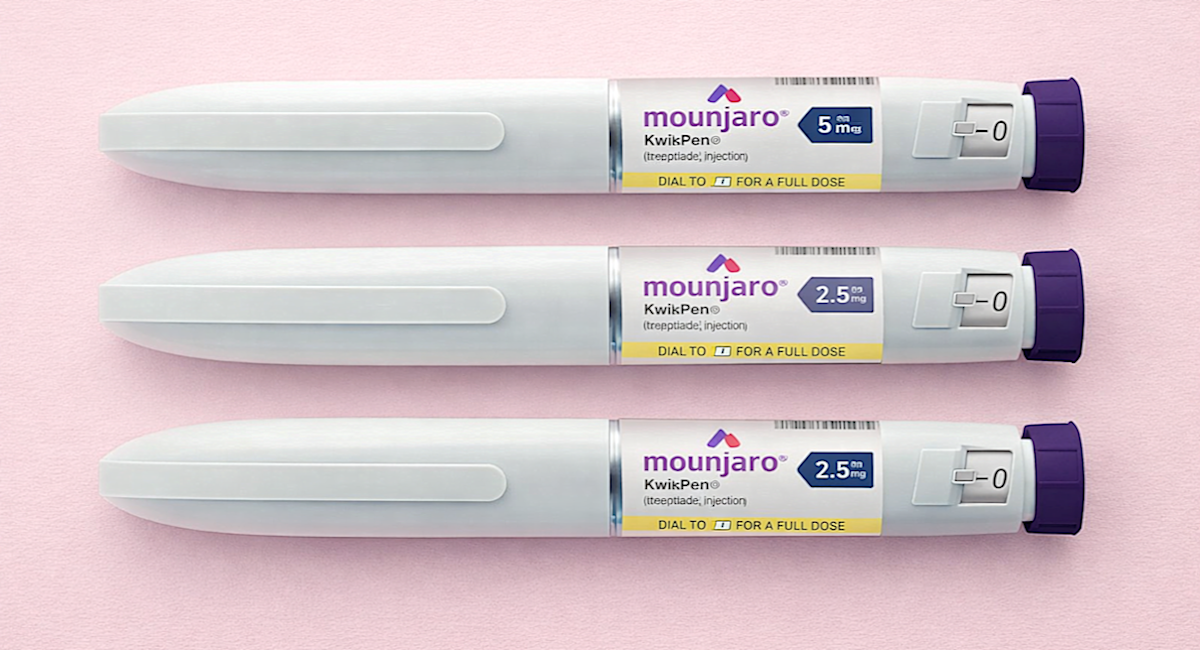
While weight loss injections such as Mounjaro can be incredibly helpful for some people, they’re also just one piece of the puzzle when it comes to long-term metabolic health. Understanding what they can and can’t do, and how they work, can help guide your decision-making if you’re thinking about trying them. Here are answers to some of the most common questions patients ask about Mounjaro.
by Dr Nienke Lees
Frequently asked questions
What is tirzepatide?
Tirzepatide is the active ingredient in Mounjaro. Research on this ingredient indicates that most weight lost tends to be from body fat rather than muscle, although some lean mass loss can still occur.
What is metabolic health?
The article links good metabolic health to adequate muscle mass. Muscle plays a role in helping to regulate glucose. Protecting muscle mass is important for supporting long-term metabolic health and overall physical function.
What does body composition mean?
Body composition refers to the proportion of fat and lean mass, including muscle, in your body. It is often considered more helpful than just looking at weight alone, as what matters most for health and function is how much muscle is maintained alongside any reduction in body fat during weight loss.
What are GLP-1 medications?
Mounjaro is a GLP-1 medication. These medications, like Mounjaro, work by reducing appetite and slowing digestion, which can lead to weight loss.
How can I tell if I'm not eating enough while on Mounjaro?
Signs that you might not be eating enough can include dizziness, fatigue, headaches, weakness, nausea that is worsened by long gaps between meals, constipation, poor concentration, or very rapid weight loss. If you experience these, it could indicate your body needs more support.
Further reading and references
About the authorView full bio

Bogomila Tosheva
Wellbeing Coaching Lead
Registered Nutritionist (RNutr) and Nutrition Counsellor
Bogomila (Mila) is the Wellbeing Coaching Lead at Genwell.
About the reviewerView full bio

Dr Colin Tidy, MRCGP
General Practitioner, Medical Author
MBBS, MRCGP, MRCP (Paediatrics), DCH
Dr Colin Tidy is an NHS Doctor, based in Oxfordshire.
Article history
The information on this page is peer reviewed by qualified clinicians.
Article also available in English, German, Spanish, French, Italian, Portuguese, Hindi, Hebrew, Arabic, and Swedish.
Next review due: 14 May 2029
14 May 2026 | Originally published
Authored by:
Bogomila ToshevaPeer reviewed by
Dr Colin Tidy, MRCGP
Join the conversation
Share your thoughts or experiences with others in our patient communities.

Ask, share, connect.
Browse discussions, ask questions, and share experiences across hundreds of health topics.

Feeling unwell?
Assess your symptoms online for free
Sign up to the Patient newsletter
Your weekly dose of clear, trustworthy health advice - written to help you feel informed, confident and in control.
By subscribing you accept our Privacy Policy. You can unsubscribe at any time. We never sell your data.
More in bones, joints and muscles
- Back pain and exercises videos
- Can a standing desk really help your back pain?
- Can creatine supplements help build muscle?
- Chemical found in soap and toothpaste linked to osteoporosis
- How to ease joint pain during the menopause
- How to protect your bones as you get older
- How to treat tennis elbow at home
- Joint pain - is it bursitis?
- Recovering from a sports injury
- The best exercises for back pain
- Video: Neck pain exercises
- What are the best exercises for osteoporosis?
- What is 40-year-old shoulder?
- What is office chair butt - and how do you prevent it?
- What is sarcopenia?
- Which sports are the worst for your health?
- Why do my joints hurt when the weather changes?
- Why the menopause may cause osteoporosis
- Women's health in sport: injuries, menstruation, and motherhood