What is the COVID-19 antibody blood test and should I get one?
Peer reviewed by Dr Sarah JarvisAuthored by Amberley DavisOriginally published 8 Jan 2022
Meets Patient’s editorial guidelines
- DownloadDownload
- Share
- Language
- Discussion
- Audio Version
- Add to preferred sources on Google
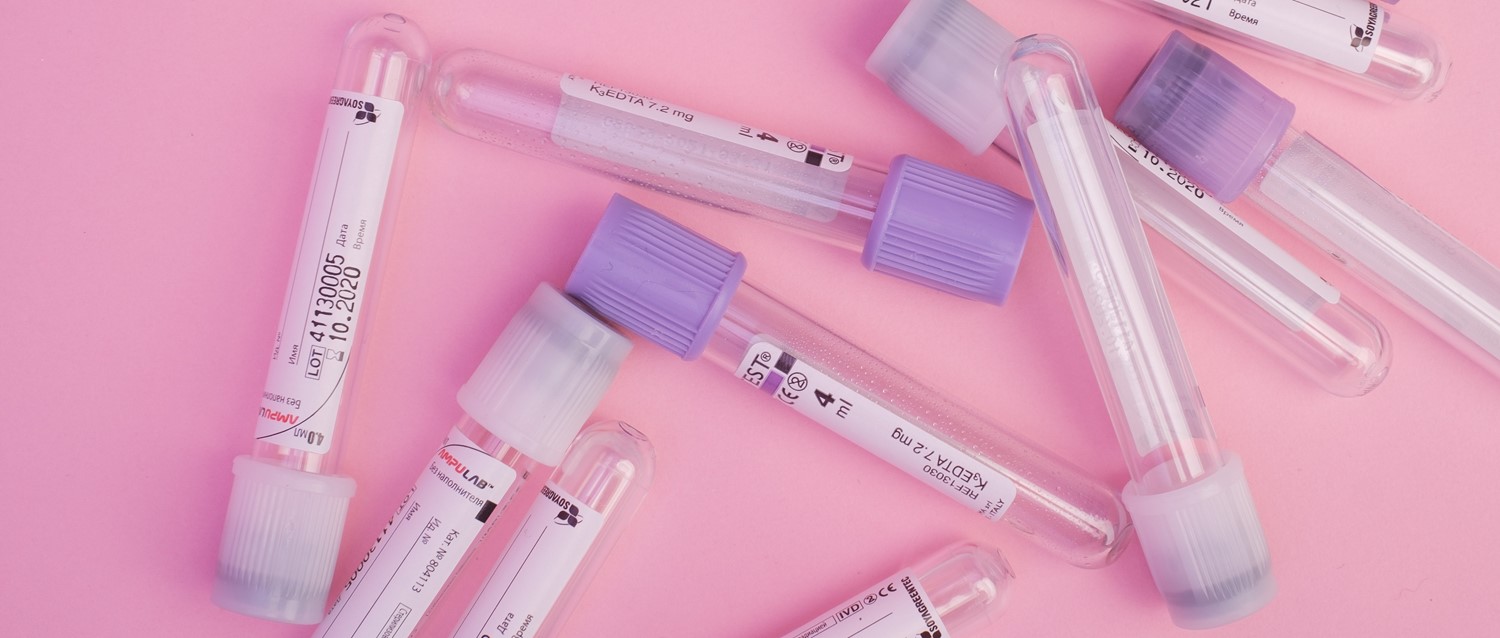
The COVID-19 antibody blood test can be used to test the level of antibodies your immune system has produced to COVID-19, either in response to infection or the vaccine. This can give you peace of mind, and can now be done from the safety and comfort of home. However, it's important to remember that antibody test kits won't give you the full picture of your immunity against COVID-19.
What is a COVID-19 antibody test?
Put simply, a COVID-19 antibody blood test can be used to detect antibodies in your blood. Antibodies are part of the body's immune system and are created to defend the body when it detects potentially harmful infections (known as pathogens).
In terms of coronavirus (COVID-19), the presence of antibodies suggests either or both of the following:
You have previously been infected with COVID-19.
Your immune system has responded by making antibodies after having the COVID-19 vaccine.
All vaccinations work by injecting a person with a modified or inactivated virus, or part of the virus, that they want to be protected against. When the immune system first meets a virus, it takes time to produce enough antibodies to defend the body effectively.
However, immunisation results in the production of B cells (a form of white blood cells) which make antibodies specific to a given infection. By triggering the production of antibodies without making the host ill, vaccinations mean that if a person does get infected with the virus, the immune system jumps to a 'secondary' response, which is much quicker and better at fighting the illness.
In addition, both immunisation against and infection with COVID-19 results in the production of another type of immunity - T-cell immunity. T cells are a type of white blood cell which are largely effective at preventing severe disease, rather than initial infection. Protection from T cells usually lasts significantly longer than antibody immunity.
It's important to note that a COVID-19 antibody test will not tell you:
If you are currently infected with COVID-19.
Whether you can still catch and spread COVID-19.
The level of your T cells specific to COVID-19.
COVID-19 infection survey data
Antibody testing is playing an important role over the COVID-19 pandemic. The Office for National Statistics (ONS) and Department for Health and Social Care (DHSC) release their Coronavirus (COVID-19) Infection Survey data on a fortnightly basis. These data provide important analysis on past infection and/or vaccination rates, based on randomly sampled subjects testing positive for antibodies.
COVID-19 Infection Survey, antibody and vaccination results - estimates for week beginning 29th November 2021
Estimated percentage of people testing positive for antibodies:
England - 95%.
Wales - 93.6%.
Northern Ireland - 95.3%.
Scotland - 95%.
How antibody swab testing can be useful
The COVID-19 Infection Survey is part of a major long-term study that tracks COVID-19 infections and vaccinations. It involves taking regular PCR swabs and antibody blood tests from over 596,000 volunteers across the UK, whether they have symptoms or not. This has helped to build a huge database that's used by scientists to better understand how COVID-19 immune response works.
Infection estimates
If a COVID-19 antibody test contributes to the national database, such as the COVID-19 Infection Survey, then it helps to improve estimations of the spread of past infections as well as response to vaccination.
There remains a very big difference between the number of people testing positive and the actual number of people who have been infected. For instance, in the week ending 1st December 2021, the COVID-19 Infection Survey results showed 1.056 million were likely to have been infected that week. In the same week, 363,682 people had symptoms, took a PCR test and tested positive - three times fewer than the actual number of infections. More antibody testing helps to close this gap in understanding.
Vaccination estimates
By testing for COVID-19 antibodies, the COVID-19 Infection Survey is also painting a picture of the vaccination uptake and effectiveness. This includes estimates for how many vaccination doses a percentage of the general population has had in England. The survey has already shown a clear pattern between vaccination and testing positive for COVID-19 antibodies.
"We continue to see a high level of antibodies across the UK. This is likely the impact of the booster programme on our data, with age groups prioritised for boosters seeing increases in antibody levels," says Dr Rhiannon Yapp, senior statistician.
Benefits of the London Medical Laboratory COVID-19 Antibody Blood Test
The London Medical Laboratory's COVID-19 Vaccine and Immune Response - "Quantitative" Antibody Blood Test can be used at home or in-store, and measures the level of immunoglobulin G (IgG) antibodies in your body.
Receiving a positive result means that the test has detected an arbitrary units per millilitre (AU/ml) level of above 50 units, suggesting that you have either been exposed to COVID-19 or that your body has produced an immune response to the vaccine.
This said, it is possible to have an immune response with a lower level of antibodies than this. Therefore, a negative result does not mean that you haven't been infected or that your vaccination hasn't worked. Whether you receive a positive or a negative result, it's important to note that the COVID-19 antibody test doesn't paint a full picture of your immunity.
However, it is thought that 1 in 100 people don't produce antibodies after the COVID-19 vaccination. Dr Quinton Fivelman, chief medical officer at London Medical Laboratory, also highlights that: "Recent research has shown that the early immune response in people who have been vaccinated for COVID-19 can predict the level of protection they will have to the virus over time."
A positive result from the COVID-19 antibody test kit can confirm if you have produced detectable antibodies in response to the vaccine. Most importantly, this can provide you with peace of mind to know you have some level of protection through them.
You could take the COVID-19 antibody test if:
You have had the vaccine and are curious if you have produced high levels of antibodies as a result.
You are interested in finding out if you've been previously infected with COVID-19 (although the absence of antibodies does not guarantee that you haven't).
It would give you peace of mind to find out if you have high levels of antibodies.
How does the COVID-19 antibody test work?
The home test uses a finger-prick blood sample you can take yourself in the safety and comfort of your own home. Alternatively, you can choose to have a blood sample taken in-store.
How long does it take to get the COVID-19 antibody test result?
Results are sent over email 1-2 days after your sample has arrived at the laboratory.
What does a negative COVID-19 antibody test result mean?
A negative test result indicates that you have an AU/ml level of below 50 units of IgG antibodies. This does not mean that you have produced no immune response against COVID-19 either through infection or vaccine.
Limitations of the London Medical Laboratory COVID-19 Antibody Blood Test
While testing positive for antibodies can provide you with peace of mind, testing negative is not a reason to panic about your immune protection against COVID-19.
Professor Rodney E. Rohde, a professor of clinical laboratory science and an infectious disease specialist at Texas State University, stresses that anyone who chooses to take an antibody test "truly needs to 'understand' what these results might mean".
Antibodies are not a precise measure of immunity
It's important to draw the distinction between having immunity against COVID-19 and testing positive for IgG antibodies. Antibody levels can vary from person to person and having levels below an AU/ml level of above 50 units is not the same as having no immune protection.
"A low level of IgG may also not mean one it not completely vulnerable to the virus. The test does not measure T-cell activity and other forms of protection," says Rohde.
Both B cells and T cells (known as lymphocytes) are involved in our immune response to infections. B cells produce antibodies, whereas T cells directly attack the invading pathogen and are associated with longer-term immunity.
It is also not yet known how long antibodies last or how long your IgG levels remain high after infection or vaccination, and research into this is ongoing.
These measurements may not be suitable for all virus variants
The London Medical Laboratory COVID-19 antibody test is a quantitative measurement of IgG antibodies against the spike receptor binding domain (RBD) of COVID-19. The RBD is the part of the virus that allows it to lock on to body receptors to gain entry into body cells. Rohde advises that this specific binding domain may not be the best measurement for future COVID-19 variants, such as when we learn more about Omicron.
At-home sampling errors
At-home test kits can be convenient, but Rohde also points out that sampling errors can occur if instructions are not followed as stated. Research studies have shown that most laboratory errors occur in the pre-analytical phase (the collection and storage of the blood tests).
Use of data for research
While a COVID-19 antibody test for the ONS/DHSC Infection Survey feeds into a database that scientists can access in order to gain greater understanding of COVID-19 immunity, private test kit results are not available for scientific research. This is, however, an area that London Medical Laboratory is looking into.
For now, the benefit of ordering an antibody test for COVID-19 will be for your own peace of mind and curiosity.
Patient picks for Vaccination, tests and treatment

COVID-19
Should children get the COVID-19 vaccine?
Around the world, some countries have been opening up their vaccination programmes to under-18s. With the vaccination programme in the UK continuing apace, the Government is still considering whether to follow suit. But with children seemingly less susceptible to the virus - and with just 25 under-18s dying in the whole of the UK in the first year of the pandemic - would this be the right call?
by Gillian Harvey
COVID-19
Can the COVID vaccine affect the menstrual cycle?
Following the rollout of COVID-19 vaccines across the country, there have been reports of people's periods changing in some way after their jabs. This has understandably caused concern, among young women in particular. So are COVID-19 vaccination and period changes linked, and if so should you be worried?
by Emily Jane Bashforth
About the authorView full bio
Authored by

Amberley Davis
Senior writer
BA (Hons), CPD
Amberley is a senior writer with Patient and has written extensively on a range of health and wellbeing topics.
About the reviewerView full bio

Dr Sarah Jarvis
Clinical Consultant
MA (Cantab), BM, BCh (Oxon), DRCOG, FRCGP, MBE
After training in medicine at Cambridge and Oxford, Dr Sarah Jarvis MBE became a GP.
Article history
Article also available in English, German, Spanish, French, Italian, Portuguese, Hindi, Hebrew, Arabic, and Swedish.
8 Jan 2022 | Originally published
Authored by:
Amberley DavisPeer reviewed by
Dr Sarah Jarvis
Join the conversation
Share your thoughts or experiences with others in our patient communities.

Ask, share, connect.
Browse discussions, ask questions, and share experiences across hundreds of health topics.

Feeling unwell?
Assess your symptoms online for free
Sign up to the Patient newsletter
Your weekly dose of clear, trustworthy health advice - written to help you feel informed, confident and in control.
By subscribing you accept our Privacy Policy. You can unsubscribe at any time. We never sell your data.